Please ensure Javascript is enabled for purposes of website accessibility

Category: Physical Therapy

  • Together We Excel: Superior Physical Therapy in St. Louis County

    Together We Excel: Superior Physical Therapy in St. Louis County

    At Excel Sports & Physical Therapy, we’re proud of the 40+ year-history of our clinics serving communities throughout Greater St. Louis and are celebrating with a renewed effort to share how, Together, We Excel!

    This tagline encompasses our partnership with thousands of patients over these many years and the many ways our practice has continued to adapt to meet the changing needs and continuing advances in physical therapy.

    We invite you to share with our celebration of growth as a patient, healthcare provider, or Physical Therapist looking for a fulfilling career.

    Our history

    Excel Sports and Physical Therapy’s roots in physical therapy go back to 1984, with the start of Cave Springs Physical Therapy in St. Peters. Since that time, we have expanded to the current 11 clinics offering world-class physical therapy services to patients in St. Louis City and County, St. Charles County, and Warren County.

    And we don’t say “world-class” without reason: in 2024, our patients gave us a Net Promoter Score (NPS) of 95. This score represents the 95% of patients who would wholeheartedly recommend our practice to others. For context, an NPS score of 50 is considered “excellent” and a score above 80 is called “world-class.”

    While many think of physical therapy as an item to check off their list after having surgery or when recovering from an injury, we see it as a partnership with people—a personal connection as folks heal, train, and gain confidence so they leave our clinics better than when they started treatment.

    Our partnership

    We partner with patients but we also value the partnerships we’ve created over the years with medical providers throughout our communities. We believe prompt and accurate communication with referring providers is of the utmost importance. Because our patients are often first entrusted to us by their referring provider, we take great steps to keep physicians informed of their patient’s care and progress, and ultimately, the end of treatment result. 

    We hope to prove to primary care physicians and specialists that our PTs are among the best you can see in Greater St. Louis, and our success across so many different types of conditions and injuries goes to show that our expertise is invaluable.

    And of course, the most important partnership is the one between patient and provider. Our PTs are grateful for the constant encouragement we receive from patients that our entire teams are friendly, professional, and make the PT experience enjoyable.

    Together We Excel: Superior Physical Therapy in St. Louis County Physical Therapy

    Experience how Together, We Excel

    Are you a provider in or near our communities? Are you wondering where you should go for physical therapy? Start a conversation with our team and learn how we can help. Call a nearby clinic or request an appointment online today to get started.

  • McKenzie Method Physical Therapy

    McKenzie Method Physical Therapy

    Physical therapy is a highly effective way to help folks relieve pain, regain mobility after injuries or surgery, and improve their quality of life. Over the years of evidence-based practice, new specialized approaches to diagnosing conditions and treating them with physical therapy have been developed to address specific needs, one of which is the McKenzie Method.

    Building on the time-tested principles of physical therapy, the McKenzie Method may offer better specificity and targeted treatment options from a slightly different approach to the care you’d expect from a physical therapist.

    What is the McKenzie Method?

    The McKenzie Method of Mechanical Diagnosis and Therapy (MDT) is a patient-centered approach to physical therapy that aims to empower the person seeking treatment to heal themselves. It may be appropriate to use in nearly any musculoskeletal condition or injury where a serious underlying health condition, such as cancer or Parkinson’s disease, is not the cause of the condition.

    Physical therapists require certification in the McKenzie Method to practice it, although its principles of mechanical diagnosis and treatment may find their way into any number of successful physical therapy treatment plans.

    Mechanical Diagnosis and Therapy

    The McKenzie method of MDT includes four steps, similar to the overall physical therapy process, but with an emphasis on patient-provider collaboration:

    1. Assessment and diagnosis: The first step in the McKenzie Method is a detailed mechanical assessment to observe how certain movements affect a patient’s symptoms. For instance, extending your back or moving your neck in a particular direction might cause pain to decrease or move to other areas. These patterns help therapists determine the underlying issue and classify it into one of three mechanical syndromes.
    2. Personalized treatment plan: Once a diagnosis is agreed upon, the therapist offers a treatment plan tailored to the patient’s unique needs. This plan can involve hands-on techniques if a person is unable to move the body part in the prescribed way, but attempts to put all control into the patient’s hands.
    3. Self-management: Empowering patients is one of the key philosophies of the McKenzie Method. Patients are taught how to perform exercises correctly and maintain good posture for treating themselves every day. This self-management approach enables individuals to take an active role in their recovery, reducing the need for frequent therapy sessions and allowing them to experience faster progress.
    4. Prevention: Many people turn to the McKenzie Method not just to treat existing pain, but to prevent recurring issues. By identifying and understanding patterns of pain early, patients can intervene before the problem worsens. All McKenzie Method treatment plans provide the knowledge and training for patients to maintain their better health in the long term.

    Another advantage of MDT is its adaptability. While some patients develop musculoskeletal pain from an injury, others may experience discomfort from habits accumulated over years—like slouching at a desk or repetitive motions. MDT can address issues across a wide range of scenarios, making it highly effective for treating conditions like:

    • Chronic back pain 
    • Neck pain 
    • Sciatica 
    • Joint issues, such as shoulders, knees, or hips 

    What’s the difference between McKenzie Method and physical therapy?

    The McKenzie Method differs from traditional physical therapy in a few important ways:

    • Strong focus on patient empowerment: While traditional physical therapy often utilizes therapist-guided techniques, the McKenzie Method emphasizes teaching patients how to manage their own symptoms. This not only empowers individuals but also helps them save time and costs associated with lengthy therapy treatment plans.
    • Precise diagnosis: MDT’s meticulous diagnostic process ensures that the agreed-upon treatment plan targets the root cause of the problem rather than just addressing the symptoms.
    • Active vs. passive techniques: Many traditional physical therapy methods can incorporate passive treatments such as massage, heat, or electrical stimulation. While these techniques can provide relief, the McKenzie Method focuses on active treatment—personalized exercises that patients can perform on their own to strengthen muscles, improve posture, and reduce dependency on expensive equipment or external therapies.

    That said, the McKenzie Method doesn’t replace traditional physical therapy—it complements it. For many patients, combining MDT principles with other proven physical therapy approaches offers the best results.

    McKenzie Method physical therapy near me

    If you or someone you know is dealing with chronic pain, discomfort, or movement issues, exploring the McKenzie Method might be the right step toward relief. This approach to physical therapy empowers you to take control of your recovery process, often providing results more quickly and with more confidence than traditional techniques.

    To learn more about how the McKenzie Method might work for your specific concerns, don’t hesitate to reach out to your local Excel Rehab and Sports clinic today. We’re happy to answer questions on the phone or after you request an appointment online.

  • What is Radial Shockwave Therapy?

    What is Radial Shockwave Therapy?

    Physical therapists and athletic trainers across the country are always looking for new technology to help heal injuries and chronic conditions more quickly and more effectively. One of the recent innovations is extracorporeal shockwave therapy (ESWT), which has been thoroughly researched across a range of conditions, even being FDA approved for the treatment of plantar fasciitis, tennis elbow, and golfer’s elbow.

    In the decades since ESWT was first developed, different types and techniques have emerged as therapies to help reduce pain and promote healing throughout the body.

    Types of extracorporeal shockwave therapy

    There are two types of shockwave therapy: focused and radial ESWT. Focused shockwave therapy transmits the acoustic energy in a narrow, focused pattern, allowing the energy to penetrate deeply, which has been proven to be helpful in the therapy’s use to break up kidney stones deep within the body.

    Radial shockwave therapy, on the other hand, spreads the energy across a larger treatment area, preventing the energy from being too focused or moving too deeply through body tissues. With this degree of control, the therapeutic benefits of radial shockwave therapy can be targeted to different soft tissues below the skin, including tendons, myofascial tissue, ligaments.

    How does radial shockwave therapy work?

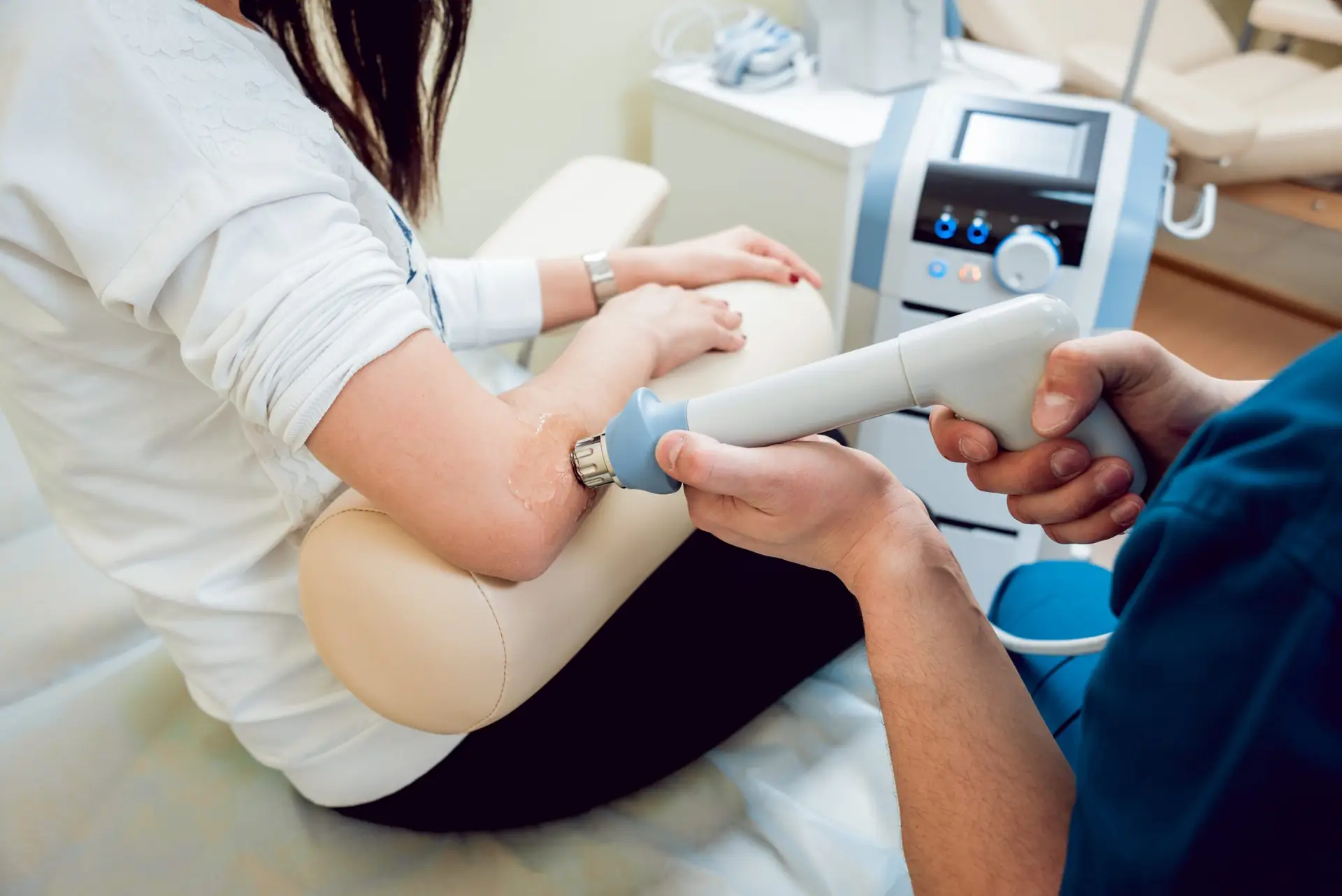
    Shockwave therapy devices like the one we use at Back in Motion create high-pressure sound waves that travel into the body. These waves generate mechanical forces on tissue, which lead to therapeutic benefits, including:

    • Increased blood flow
    • Increased healing response
    • Collagen synthesis
    • Protein synthesis

    Key benefits of ESWT shockwave therapy

    • Non-invasive alternative to injections and surgery
    • Fast treatment times (5-10 minutes per session)
    • Clinically proven to accelerate healing
    • Reduces pain and inflammation without medication
    • Enhances blood circulation to damaged tissue

    Conditions that shockwave therapy can treat

    At Back in Motion, we utilize the Portland Health Supply Radial Shockwave device for treating a variety of conditions and injuries. Our patients have had particular success with ESWT therapy for elbow injuries such as golfer’s elbow and tennis elbow.

    Shockwave therapy for musculoskeletal system/soft tissue

    The primary benefits of ESWT at Back in Motion can be seen in treating musculoskeletal injuries, inflammation, and joint wear and tear. These are also the types of conditions that our physical therapists have great success with treating without shockwave therapy, so when combined with traditional physical therapy, patients see even better results.

    For example, we’re proud that over 85% of patients experience complete resolution for tendonitis when using shockwave therapy alongside traditional PT. Other examples of conditions that ESWT can help treat include:

    • Plantar fasciitis
    • Medial epicondylitis (Golfer’s elbow)
    • Lateral epicondylitis (Tennis elbow)
    • Achilles tendinopathy
    • Rotator cuff tendinopathy
    • Hip bursitis
    • Shin splints

    Shockwave for chronic pain

    For those suffering with pain that is getting worse without targeted treatment, or even for those who have tried PT previously without complete success, ESWT therapy can be a new approach that produces results at an even higher success rate than physical therapy alone.

    Conditions of chronic pain we may be able to treat with radial ESWT include:

    Shockwave therapy for bone and joint disorders

    In some cases, the acoustic energy of our ESWT device can be tuned to promote the healing of bone tissue and reduce inflammation, which can be game-changing for folks experiencing osteoarthritis pain.

    ESWT may be an option for people who need help with:

    If you’re interested in finding an ESWT shockwave therapy provider for your condition or concern, but don’t see it listed here, we may still be able to help. Our Maine radial shockwave therapy specialist is highly trained to address a growing list of conditions that may not be mentioned here specifically.

    ESWT shockwave therapy at Back in Motion

    We’re confident this new treatment option can reliably and effectively enhance the lives of people throughout Maine and we’re already seeing great success in our clinics with the use of extracorporeal shockwave therapy. To learn more about how we provide ESWT and whether it may help you get the resolution to your symptoms that you’re looking for, don’t hesitate to call a clinic near you or request an appointment online today.

  • Do you need a referral for physical therapy in South Carolina?

    Do you need a referral for physical therapy in South Carolina?

    Since it varies from state to state, most people aren’t sure if they need a physician’s referral to get treatment at a physical therapy clinic. If you live in South Carolina, you might think you need to get a referral, which is true, but there are certain exceptions. To learn more about when a referral is needed to go to a physical therapist’s practice, read the information below.

    So, are referrals necessary for physical therapy treatment if you’re in SC?

    Yes, and no. To put it simply, you don’t need a referral from your physician to a physical therapist’s clinic if your treatment time at the clinic is completed within 30 days. If you go to a PT clinic and your treatment time spans over 30 days, then you will need to obtain a referral to continue with your care. The direct access laws in South Carolina state that patients can receive care without a referral (direct access) for 30 days. After that point, the therapist has to deem that the care is within their scope of practice or refer to a physician.

    Excel Rehab & Sports can provide you with quality treatment whatever your condition

    Are you looking for a physical therapy clinic to help you treat your condition without getting a referral first? Learn how the physical therapists at Excel Rehab & Sports can help you address issues with your health. If you have any questions or there is something you’d like to speak with one of our specialists about, feel free to give us a call or schedule an appointment with us. At Excel R&S, our specialists have been professionally trained in identifying health conditions and getting to the root of the problem. Consider looking into our many resources and specialties. We’re ready to answer your concerns, talk about options for treatment and guide you on your physical health journey! With six locations in Tennessee and South Carolina, you’ll be sure to find great treatment near you.

    Contact our team today for more information or to schedule an initial appointment.

  • Top 5 Mistakes After Knee Replacement 

    Top 5 Mistakes After Knee Replacement 

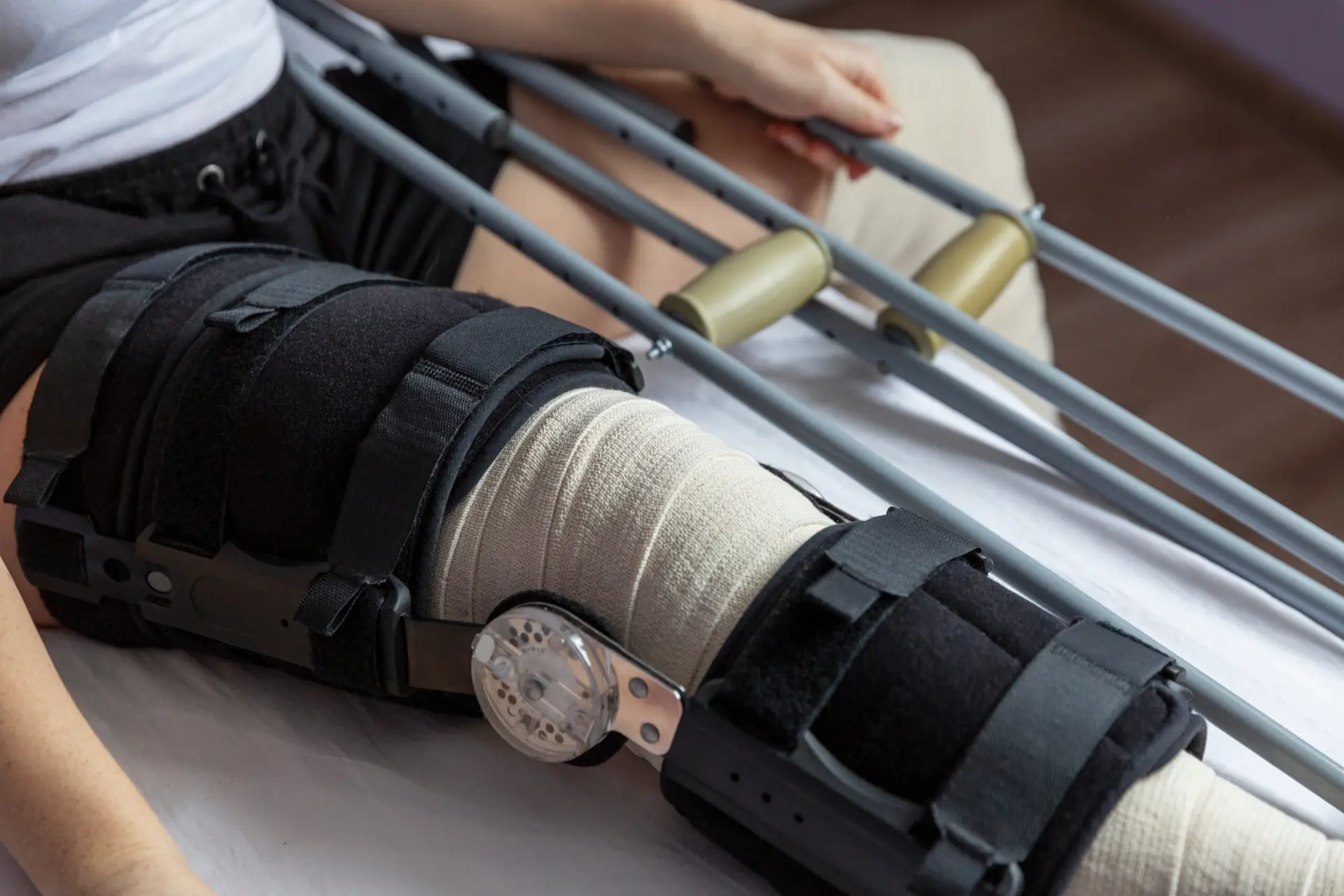
    Recovering from total knee replacement is important, setting the foundation for your long-term mobility and quality of life. Performing physical therapy exercises consistently and keeping your mind focused on the long-term benefits, is the key to ensuring a successful outcome for years to come. 

    1. Not going to physical therapy

    Physical therapy is the most important part of the recovery process after your knee replacement surgery. It’s not just about getting you moving again as quickly as possible—it’s about re-training your muscles, allowing your knee to heal, and restoring strength and function.  

    Why it’s a mistake 

    Skipping physical therapy appointments or not following through with your home exercise program can be the difference between a good and bad outcome. Even during a break of just a day or two, you can lose valuable time in regaining range of motion and appropriate muscle control, delaying your recovery. 

    The solution 

    Stick to your physical therapy schedule and assigned home exercise program. Each session is tailored to your specific needs along the timeline of recovery, gradually introducing exercises that restore movement and minimize stiffness. You can stay motivated by setting small, achievable goals, and remember that consistency is more important than overexertion. 

    2. Not recovering properly 

    It’s natural to want to get back to your normal routine as quickly as possible after surgery. You may feel good one day and want to get back to your normal activities, but progressing too quickly can set you back on the road to recovery. 

    Why it’s a mistake 

    Overusing your knee while it’s healing can lead to increased swelling, extended discomfort, and slower healing. Your knee needs more time than you might think to adjust to the replacement, and adequate rest is important to allow that process to take place. 

    The solution 

    Alternate your physical therapy exercises with periods of rest to avoid overuse. Elevating your knee and using ice as directed by your physical therapist can help control swelling and stiffness. Stay hydrated by drinking plenty of water throughout the day and eating a well-balanced diet can promote your healing. 

    3. Not moving your knee enough 

    On the flip side, some patients fall into the trap of avoiding movement altogether after surgery. The fear of causing more pain or damage can lead people to not move their knee at all, which can compromise recovery. 

    Why it’s a mistake 

    Your body is incredibly adaptive. If your knee isn’t kept active during the healing process, your body may essentially “learn” that your knee doesn’t need to move to function. Over time, this can result in stiffness, reduced flexibility, and even reduced blood flow to the area. 

    The solution 

    It’s essential to regain range of motion for the best long-term outcome, so keep your knee moving regularly, especially in the early days after surgery. Low-impact movements like bending, straightening, and gentle walking—as recommended by your therapist—help send signals to your body that your knee needs to stay strong and flexible. The more you move within safe parameters, the better your long-term mobility will be. 

    4. Not taking medication as prescribed 

    We understand that medication can seem like a double-edged sword. On the one hand, it helps manage post-surgery pain, but on the other, dependency and side effects are real risks. In the end, though, ignoring prescribed pain relief often does more harm than good. 

    Why it’s a mistake 

    Pain management isn’t just about comfort—it’s a vital part of recovery. Uncontrolled pain can prevent you from staying active and completing your physical therapy program. It may also increase stress and fatigue, both of which can hinder the healing process 

    The solution 

    Discuss any concerns you have about medications with your surgeon. They may be able to offer alternatives or adjust your dosage if needed. Trust the advice of your care team and use pain relief as a tool to enable therapeutic movement, and ask about sustainable pain reduction techniques that you can utilize in the future. 

    5. Not enjoying a new lease on life 

    For many patients, getting a knee replacement means freedom from the pain and limitations that have held them back for years. However, some may become so focused on preserving and protecting their new knee that they forget to appreciate what lies on the other side of recovery: a fresh start. 

    The downtime after surgery should allow patients to reflect on what they want their renewed life to look like. This is a great time to not only dream about the future, but also start making real, beneficial habits as you progress through post-op care and rehabilitation. 

    Why it’s a mistake 

    A knee replacement is an investment in your health and quality of life. Missing the opportunity to make lifestyle changes, enjoy newfound mobility, or pursue long-postponed goals can leave you feeling stuck, even after a successful surgery. 

    The solution 

    Take time to understand and make new goals for what your new knee allows you to do. Whether it’s playing pickleball, dancing at a family wedding, or just strolling through the park, find joy in the possibilities. Build healthy habits like regular exercise, better posture or movements, and a balanced diet to preserve your new knee and start this next chapter on a strong note. 

    Post-op physical therapy you can rely on 

    Your knee replacement can be the beginning of a better, more active life, but the road to recovery requires focus, patience, and commitment. Avoiding these common mistakes after knee replacement surgery can put you on the path to success, ensuring your new knee serves you well for years to come. 

    If you or a loved one is getting ready to have this life-changing procedure, we’re excited and hope for the best possible outcome. At Alves & Martinez Physical Therapy & Athletic Performance, we’re passionate about helping people get back to their desired lifestyle. If you’re looking for a physical therapist for your post-op care, don’t hesitate to call our East Sacramento or Elk Grove clinic, or request an appointment online today. 
  • What is IASTM?

    What is IASTM?

    When most people think of physical therapy, they often picture a post-surgery rehabilitation process with weekly appointments where you stretch and push your healing limbs to the limit. But physical therapy offers so much more. Because of our specialists’ unique interests and certifications, we at Armor are able to provide a wide range of treatments that go beyond recovery, helping folks improve flexibility, alleviate discomfort, and even enhance athletic performance.

    One specialized approach called IASTM treats myofascial tissue. Myofascial tissue lies just beneath the skin and surrounds muscles and other structures in your body. Over time, it can develop tension, scar tissue, or adhesions that impact your movement and overall well-being.

    What is IASTM?

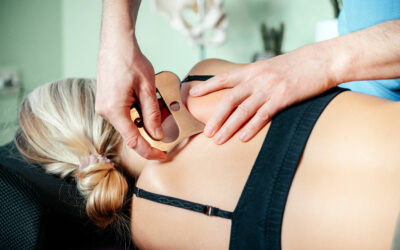
    IASTM stands for instrument-assisted soft tissue mobilization, and it’s a treatment protocol that can detect and treat fascial restrictions, scar tissue, and chronic inflammation. IASTM therapy involves the use of specialized stainless steel tools that are uniquely shaped to fit different areas of the body.

    The treatment begins with a detailed examination to identify areas where soft tissue dysfunction is present. One of our IASTM specialists will then use these tools to apply controlled pressure over the skin in the area(s). This precision pressure helps break up scar tissue, release adhesions, and stimulate healing in targeted areas.

    What sets IASTM apart from other soft tissue therapy methods is its precision. The tools allow practitioners to detect even the smallest irregularities in your tissue that might not be noticeable during hands-on treatments like a massage.

    Benefits of soft tissue mobilization

    As mentioned, IASTM is one of several soft tissue mobilization therapies we offer, any of which may be more or less suitable for your specific concerns. When accompanied with a thoughtful diagnosis and comprehensive treatment plan, IASTM can create meaningful, long-term improvements to how your body feels and performs. Some of the key benefits include:

    • Enhanced recovery: IASTM improves blood flow and promotes the remodeling of damaged tissue. This accelerates your body’s recovery process after injuries or tough workouts.
    • Improved flexibility: By releasing tension in your myofascial tissue, IASTM can help expand range of motion.
    • Chronic pain reduction: Regular IASTM technique massage sessions can reduce pain associated with conditions like tendonitis or plantar fasciitis.
    • Improved athletic performance: Professional athletes often utilize IASTM treatments to maintain peak performance by addressing minor irritations before they turn into major issues.
    • Non-invasive and drug-free: We prioritize holistic, non-medicated treatments at Armor, which is a hallmark of all of our treatments, including IASTM.

    Conditions IASTM can treat

    IASTM is a versatile therapy that addresses a wide range of conditions. We may not recommend it for everyone all the time, but in many cases IASTM can be used to help treat:

    • Scarring: Scar tissue, whether from surgery or injury, can cause significant restrictions that IASTM therapy helps to break down.
    • Fibrosis: IASTM is often ideal for softening fibrosis, a condition where connective tissue thickens and can limit your mobility.
    • Edema (swelling): By improving circulation and lymphatic drainage, IASTM treatment can reduce localized swelling and inflammation.
    • Tendonitis: If you struggle with conditions like tennis elbow, Achilles tendonitis, or rotator cuff issues, the IASTM technique may be able to accelerate relief alongside a manual therapy plan.
    • Plantar fasciitis: This condition, often marked by intense heel pain, often responds well to the targeted soft tissue mobilization of IASTM therapy.

    It’s critical to remember that not just any chiropractor or physical therapist should attempt this treatment. Only certified IASTM specialists, who undergo rigorous training, possess the expertise to perform this technique effectively and safely.

    What makes IASTM special?

    One of the key reasons instrument-assisted soft tissue massage has become so popular is its emphasis on training. To become certified, specialists must complete comprehensive courses that include both theoretical and practical components. This ensures that every IASTM-certified practitioner is well-equipped to deliver effective, personalized care.

    Additionally, the IASTM technique is not a rigid protocol that handles every condition exactly the same. It simply provides a set of tools and a methodology for the specialist using them to treat different body areas—from large muscle groups to smaller, more intricate regions like the hands and feet. It’s a versatile treatment that combines science with skill to achieve results.

    IASTM specialists near me

    While some people make appointments specifically to explore the benefits of IASTM, most people find its benefits through a comprehensive treatment plan that includes several methods of physical therapy. Regardless, whether you’re recovering from an injury, dealing with chronic pain, or simply looking to maximize your athletic performance, myofascial release therapy could be the key to unlocking a healthier, more active lifestyle.

    Don’t wait to call one of our nearby clinics or request your appointment online to find out how our friendly physical therapists can help you feel better, more mobile, and more capable.

  • How to Relieve Muscle Knots in Your Arms With Physical Therapy

    How to Relieve Muscle Knots in Your Arms With Physical Therapy

    It’s the second day after an intense workout, and while you’ve been outpacing your fitness goals, now you’re feeling a nagging tension in your arm that won’t go away. Or maybe you slept weirdly, and your arm or shoulder has been stiff and sore all week. Sound familiar?

    These symptoms, which people commonly call “muscle knots,” affect everyone from professional athletes to office workers. Muscle knots frequently arise in the back, shoulders, and legs, but can also affect the biceps and forearms, where they’re particularly annoying. Fortunately, a few simple but effective treatments exist to resolve these knots so they don’t interrupt your routine for too long.

    What are muscle “knots”?

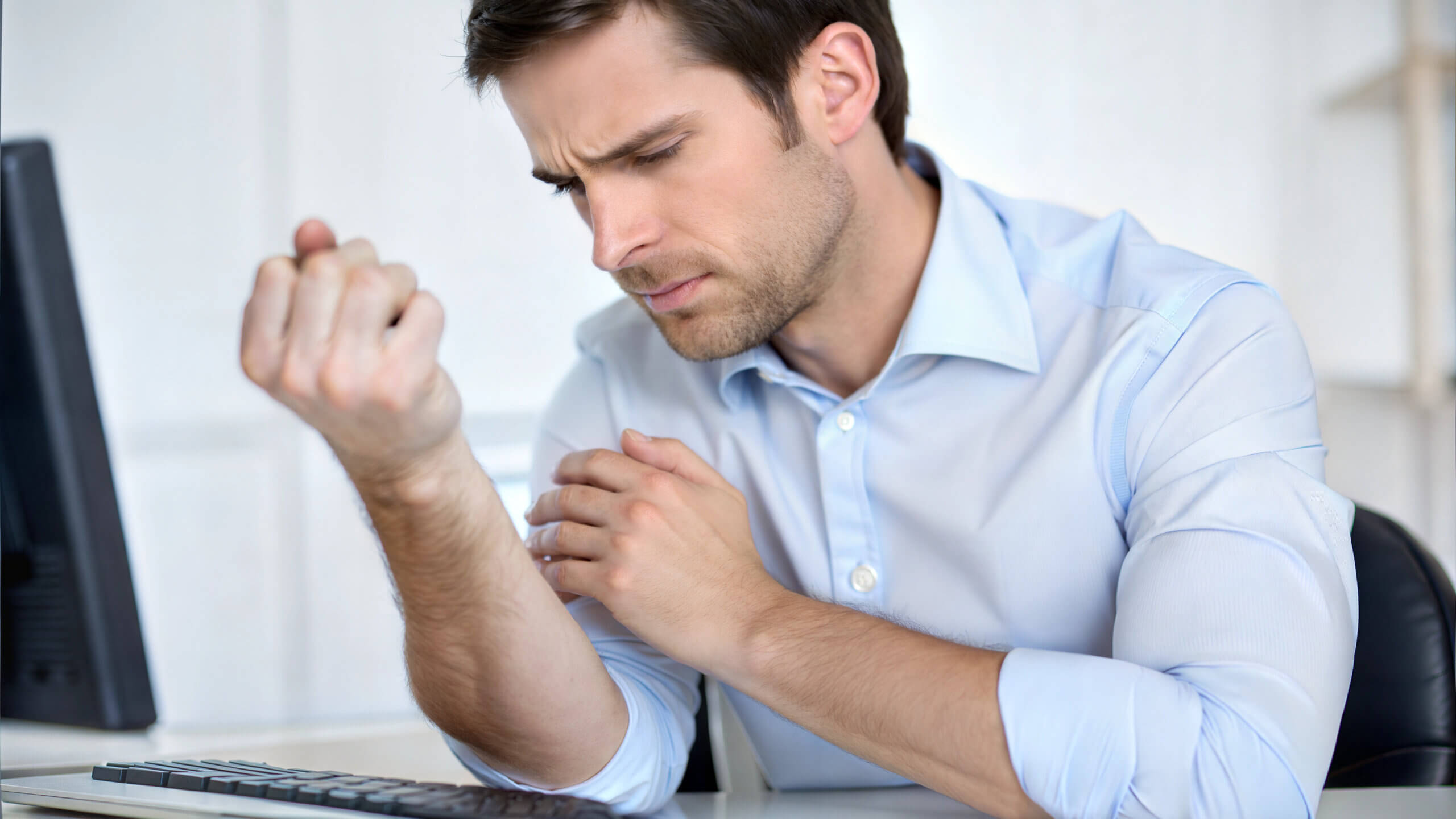
    Muscle knots are small, tense areas of muscle that feel like a hard lump under the skin. These knots, called myofascial trigger points, form when muscle fibers tighten but fail to relax. This can restrict blood flow, creating pain and inflammation that may last for several days. Muscle knots often develop in muscles that are overworked, strained, or left in static positions for too long.

    Symptoms of knots in the forearm

    Knots commonly affect the muscles in the forearm and upper arms after strenuous activity like a targeted arm workout. Although discomfort in your forearm, biceps, or shoulders could be caused by any number of things, here’s how muscle knots usually feel:

    • Tension or tightness in the muscle that feels like a dull ache
    • Soreness that intensifies when you press on the area
    • Stiffness that restricts your range of motion
    • A lumpy or tight spot that feels hard to the touch
    • Pain that might radiate or feel like it’s “traveling” to other areas (this is called “referred pain”)
    • Temporary muscle weakness

    These symptoms can vary in intensity—some folks might experience mild irritation, while others may find their active lifestyles completely disrupted. Most muscle knots usually arise and resolve within a few days, but if your tension, soreness, or other symptoms have lasted at least a week, it could be a sign of a more chronic underlying condition, such as myofascial pain syndrome.

    Regardless of the severity, physical therapy treatments offer effective solutions to many types of muscle pain, including knots in the arms.

    Physical therapy treatments for arm muscle discomfort

    Treating muscle knots typically involves a two-step approach: treat the current symptoms and protect your whole body from getting knots in the future. The most effective methods that address both prevention and cure include:

    • Stretching high-use muscles
    • Low-impact exercises
    • Trigger point release therapy
    • IASTM
    • Massage therapy

    Not everyone who has a muscle knot and comes in for treatment will utilize all of these procedures. They are the individual tools in our toolbox of care that allow us to personalize treatments to your specific experience of muscle tension while addressing your preferences when possible.

    Preventing muscle tension in your arms

    When you’ve recently healed from a muscle knot, you’re probably feeling grateful that it went away on its own and may be worried about doing something that could trigger it to return and disrupt your lifestyle again. That’s where taking a few preventative measures can help you live the life you want sustainably.

    • Stay hydrated – when your body has enough water, muscle fibers stay flexible and resilient and won’t form into “knots” as easily.
    • Keep moving – Exercise can be both a prevention strategy and a trigger for muscle knots, which is why knowing how to exercise safely and sustainably with a physical therapist’s guidance can be so valuable.
    • Take breaks – Muscle knots can arise from tension when you’re spending all day at your desk, for example. Switch up your routine by stretching your legs and moving around at least once every two hours. At the very least, roll your shoulders and flex your arms if you can’t take a full break.
    • Sleep well – High amounts of stress and sleep deprivation are huge risk factors for all kinds of muscular and mental conditions that can affect your health, including muscle cramps and knots.

    Arm muscle knot treatments in Franklin, WI

    Sick of arm cramps and muscle knots interrupting your lifestyle? Whether you’re experiencing muscle soreness, stiffness, and pain in your arms or elsewhere in your body, our physical therapists are more than capable of helping you find relief for today and the future.

    Start a conversation with our team about how we might be able to help you learn new and holistic ways to exercise and work to avoid muscle knots by calling our clinic or requesting an appointment online today.

  • How Does Compression Help an Injury?

    How Does Compression Help an Injury?

    If you live an active lifestyle, injuries are pretty much always an unfortunate part of life. Still, whether it’s a twisted ankle, a pulled muscle, or soreness from overtraining, having to adjust your exercise schedule or normal daily routine can feel frustrating. The good news? There are basic ways to treat common injuries right at home, and one of the most under-utilized tools in your recovery toolbox is compression.

    What happens after you get injured?

    Our bodies have a sophisticated healing process that’s almost always active in some form or another, but especially after an injury. However, sometimes this process needs a little extra support—especially around joints like the knee, shoulder, or elbow, where complex movements and highly specific stresses can slow recovery.

    The natural healing process

    When you’re injured, two key processes begin immediately:

    • Inflammation: The body sends blood at an increased rate to the injury site, carrying nutrients and white blood cells to heal the tissue and fight infection. This is a necessary part of healing, but too much swelling can cause discomfort and even slow the healing process.
    • Repair and regeneration: Over time, new cells grow to replace damaged tissue in the injured area. However, this process is delicate. Excessive movement or pressure on the area can hinder progress.

    Joints, soft tissues, and bones all heal differently, and certain injuries may benefit from the additional protection and stabilization that compression can provide:

    • Soft tissue injuries (like sprains, strains, and muscle pulls): These injuries often swell significantly and can benefit from compression to reduce swelling and bruising.
    • Fractures (broken bones): Immobilization is typically most important for healing, but controlled compression can sometimes help improve blood flow.
    • Surface-level injuries (like scrapes): While compression isn’t necessary here, keeping the area clean and protected is key.

    Why is compression good for injuries?

    If you’ve ever followed the RICE protocol (Rest, Ice, Compression, Elevation), you’ll know that compression is part of the rule of thumb for at-home healing treatments. But why does compression help injuries so much?

    Here are some key benefits compression provides during the healing process:

    Reduces swelling and bruising

    Swelling is a natural part of the healing process, but it can sometimes lead to pain and stiffness. Compression helps reduce excessive buildup of fluid around the injury site, controlling swelling more effectively. This can also alleviate any pressure on nerves, which contributes to pain relief.

    Improves blood circulation

    Proper blood flow is crucial for repairing damaged tissue. Compression helps by gently applying even pressure throughout the affected area to improve circulation, ensuring that oxygen and nutrients can move efficiently to the injured area while helping waste products, like lactic acid, clear out faster.

    Provides support and stability

    Keeping an injury stabilized is important to prevent further damage. Compression garments or wraps help provide light support without restricting movement completely, making them ideal for soft-tissue injuries like muscle strains or sprains.

    May alleviate pain

    Many fitness enthusiasts or others who regularly utilize compression during recovery report that compression helps reduce pain. This may be due to the pressure limiting swelling and stabilizing injured areas, which in turn reduces discomfort caused by movement or inflammation.

    How to use compression to heal an injury

    Using compression effectively often involves combining it with other at-home care methods, depending on the type and severity of your injury. Here’s how to get started:

    Step 1: Choose the right compression product

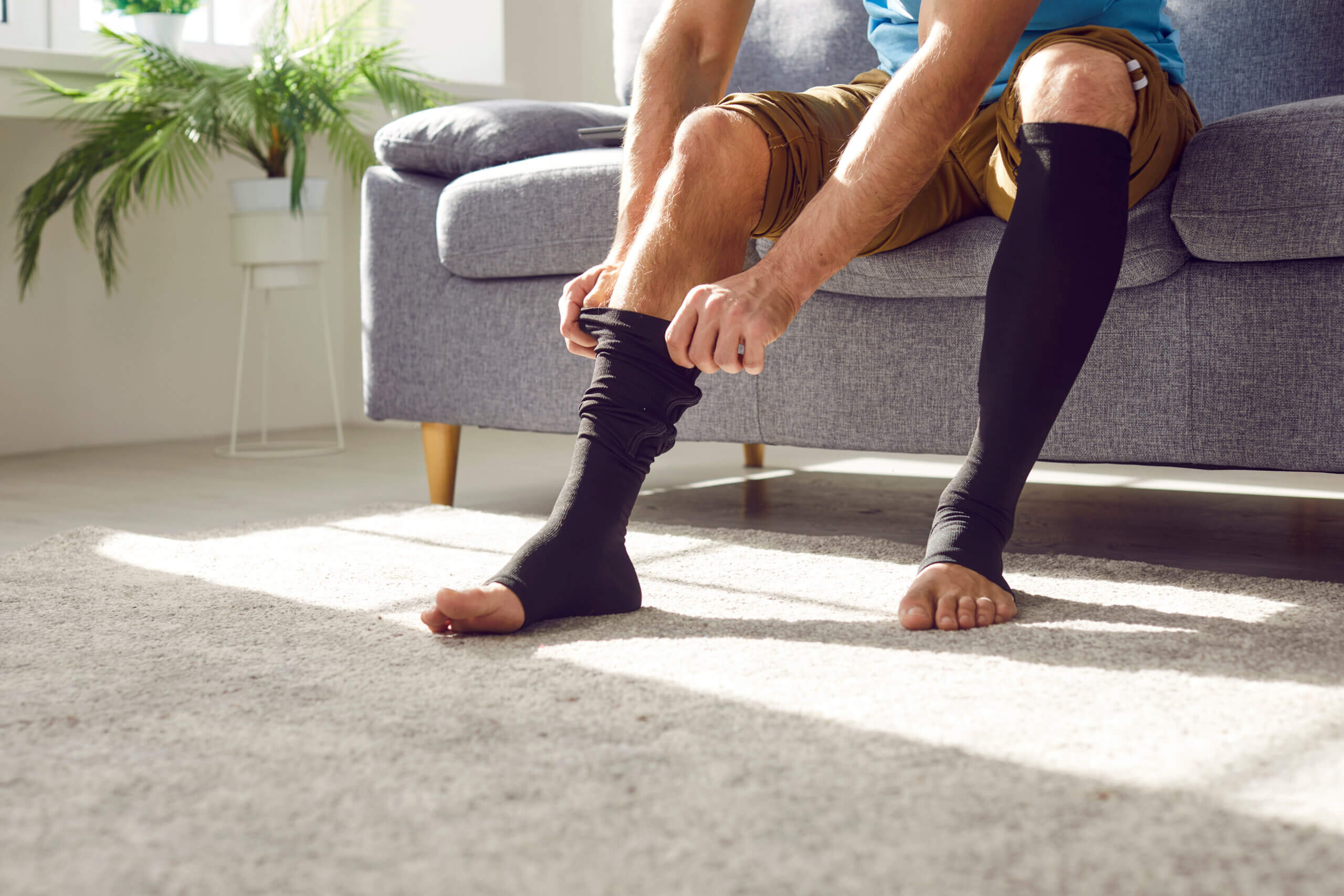
    Compression garments range from sleeves and socks to wraps and full-body clothing. Select one designed for the specific area you’ve injured (e.g., compression knee sleeves for a knee injury). Look for a snug fit, but avoid anything so tight that it cuts off circulation or feels uncomfortable.

    Step 2: Apply compression immediately after injury

    For the best results, apply compression as soon as possible after the injury occurs. Gently wrap or wear the garment around the affected area to start addressing swelling and inflammation, as well as to remind yourself (if the pain isn’t doing so on its own!) that you have hurt that part of your body.

    Step 3: Use intermittently (but consistently)

    Instead of wearing compression 24/7, aim for intermittent use throughout the day. Alternate 2-3 hours of compression with periods of rest to prevent any excessive pressure on the area and encourage normal circulation.

    Step 4: Monitor Progress

    Pay close attention to how your body responds to the use of a compression garment. If swelling or discomfort persists despite consistent use, it might be time to seek professional help.

    Expert guidance on at-home injury remedies

    While compression can work wonders for many common injuries, some situations call for expert advice and treatment. If your injury isn’t improving after a few days of at-home care, or if you’re experiencing severe pain, reduced mobility, or instability in a joint, a physical therapist can help.

    For folks in the Vancouver and NW Washington state area, Whatcom’s physical therapists are here to help you recover from any injury and return to the lifestyle you want to lead. Learn more about what might be the most effective strategy for healing your injury both quickly and for the long-term by calling one of our clinic locations or by requesting an appointment online today.
  • How Long Should Swelling Last After An Injury?

    How Long Should Swelling Last After An Injury?

    For people with active lifestyles, injuries that affect your joints and muscles are just part of normal life. Fortunately, whether it’s a sprained ankle, a pulled muscle, or an overworked joint, most injuries heal on their own with a bit of care. Techniques like rest, ice, compression, and elevation—commonly referred to as the RICE method—are staples of at-home injury care.

    But what happens when swelling or pain doesn’t go away, despite your efforts? At what point should you start thinking about professional help?

    What causes swelling?

    Swelling is your body’s natural—and surprisingly sophisticated—response to injury. When you get hurt, your body sends fluid to the affected area. This serves several purposes, including protecting the tissues, increasing blood flow, and kick-starting the healing process.

    There are two reasons that swelling occurs after an injury:

    • Inflammation: Increasing blood flow, which is the primary purpose of inflammation, is a vital part of your body’s response to tissue damage. Think of it as your body’s way of bringing repair tools to the injury site.
    • Fluid accumulation (edema): This occurs when blood or other fluids pool in the damaged area. It might seem uncomfortable, but it’s usually your body’s attempt to cushion the site and reduce further harm.

    In both cases, swelling is your body’s way of saying, “I’m working hard to fix this!”

    Is swelling bad?

    Swelling itself isn’t inherently harmful—it’s part of your body’s natural healing process and is a sign that your immune system is responding to a change. That said, too much swelling or long-lasting inflammation can be a problem.

    Swelling can sometimes cause unwanted side effects, such as:

    • Excessive pain or stiffness: Swelling can make it harder to move or perform physical tasks. For athletes, this can seriously affect performance.
    • Delayed recovery: Prolonged swelling may indicate your body isn’t healing properly or that additional treatment is required.
    • Tissue damage: Left unchecked, excessive swelling can hinder normal blood flow, leading to further complications.

    While swelling is often nothing to worry about, it’s important to monitor it. If you’re noticing significant discomfort or swelling that doesn’t subside with efforts like the RICE method, it might be time to consult a professional.

    How long does it take for swelling to go down?

    The big question most patients ask is, “How long does swelling last?” Unfortunately, the answer is complicated, since it depends on several factors, including the severity of the injury, the body part affected, and your overall recovery plan.

    Here’s a general timeline to keep in mind:

    • Mild injuries: Soreness, minor bruises, or overuse injuries often result in swelling that subsides within a few days up to a week when treated properly.
    • Moderate injuries: Swelling from muscle tears or sprains may last 1–2 weeks, but usually show steady improvement with the right care.
    • Severe injuries: For injuries like fractures, significant ligament damage, or after surgery, swelling can persist for several weeks. These injuries often require additional treatment beyond home remedies.

    Regardless of where you fall on this spectrum of what’s expected, the RICE method can work wonders in managing swelling and speeding up the recovery process. Incorporating anti-inflammatory foods or medications (as recommended by your doctor) may also help reduce symptoms.

    Am I healed after swelling goes away?

    Swelling is often a good indicator that your body is healing, but it’s not the only thing to consider. After swelling subsides, many people assume they’re back to 100%—but that’s not always the case.

    Symptoms beyond swelling

    While the end of swelling often means reduced pain and stiffness, it doesn’t always guarantee complete recovery. You may still need time for tissues, ligaments, or muscles to regain full strength.

    Listening to your body is key when recovering from any injury. Monitoring how pain and movement feel after swelling subsides is just as important as managing the initial injury.

    Risks of improper healing

    If an injury isn’t given the time or care it needs to heal fully, it can lead to the development of scar tissue throughout the area. This is particularly problematic for athletes as scar tissue can limit mobility and increase the risk of re-injury.

    Treatments to aid recovery

    For some, improper healing may benefit from interventions like instrument-assisted soft tissue mobilization (IASTM). This technique helps break up scar tissue and improve range of motion, especially for performance-minded individuals.

    Other techniques can help with a wide range of injuries, from joint mobilization to electrical stimulation. These methods aren’t necessary for everyone, but may be helpful in getting you the final improvement you’ve been waiting for if you notice a difference in how you’re able to move or perform after an injury.

    Effective, long-term healing through physical therapy

    While primary care providers can help diagnose injuries and provide general advice, physical therapy takes a more focused, hands-on approach to recovery. It may also be easier to make an appointment with a physical therapist (At Whatcom, we’re proud to offer same-day or next day appointments when possible).

    Here’s why physical therapy can be invaluable to people recovering from injuries and managing symptoms like swelling:

    • Tailored recovery plans: A physical therapist crafts a custom recovery plan based on your injury and individual needs, rather than a one-size-fits-all protocol for recovery.
    • Preventing future injuries: Therapists can help identify weak spots or imbalances in your musculoskeletal system that may make you more prone to injury. Strengthening these areas can protect your body in the long run.
    • Holistic healing: Beyond addressing the injury itself, physical therapists often work on improving whole-body range of motion, flexibility, and strength—a course of action that can improve many people’s daily lives both now and in the future.

    Give your body the recovery it deserves

    Understanding how long swelling should last—and knowing when to seek help—can make all the difference in your recovery in both the short and long term. While many injuries heal on their own, lingering swelling, pain, or stiffness shouldn’t be ignored.

    If you’re recovering from an injury and are looking for what’s normal and not normal with internet research, it may be nice to talk to an expert in either a virtual or in-person appointment for truly personalized advice. Learn more about what you should expect from your injury recovery by calling a Whatcom clinic near you or by requesting a free screening online today.

  • What External and Internal Oblique Muscle Injuries Feel Like

    What External and Internal Oblique Muscle Injuries Feel Like

    For fitness enthusiasts who love pushing their limits, experiencing a muscle injury can be a setback. Like many injuries for athletes and people who have hobbies or jobs that require the frequent use of core muscles, the obliques are a part of the core that often goes unnoticed until something goes wrong. Fortunately, physical therapy offers accessible, natural treatment options for both external and internal oblique injuries.

    What are oblique injuries?

    The oblique muscles are integral to your core abdominal muscles and are comprised of the external and internal oblique muscles. These muscles extend diagonally on each side of your abdomen from your ribs to your pelvis, playing a pivotal role in supporting your torso, facilitating movement, and maintaining balance. They work in tandem with other core muscles to enable bending, twisting, and rotating motions.

    Oblique injuries occur when these muscles are overstressed or strained. This can happen due to sudden movements, improper form during exercises, or repetitive actions that place excessive pressure on the muscles.

    The severity of an oblique injury can vary from a mild strain where the muscle fibers are stretched to more severe tears that may require weeks of rehab. Like many injuries we treat at Advent Physical Therapy, it’s important to recognize the signs of an internal or external oblique muscle injury early.

    Symptoms of oblique injuries

    The internal and external oblique muscles will produce slightly different symptoms in slightly different places depending on the extent and cause of your injury. For external oblique injuries, you might experience sharp, localized pain on the side of your abdomen. This pain might intensify during movements like bending to the side or twisting your torso.

    Internal oblique injuries, on the other hand, can be more challenging to pinpoint. The pain may be more diffuse, spreading across the abdomen and even affecting your lower back. This discomfort might worsen with deep breaths, coughing, or sneezing, as the internal oblique muscles play a role in stabilizing your core during these otherwise automatic actions.

    Treating oblique injuries

    The obliques are relatively resilient muscles that can heal on their own with ample rest (avoiding activities that involve the obliques), ice, or heat treatments. However, if the pain isn’t going away after a few weeks, or you experienced a sudden injury to this muscle group during a strenuous workout or playing a sport, physical therapy may be necessary to ensure you heal the muscle effectively and learn to prevent further injury in the future.

    Physical therapy for oblique injuries typically involves exercises that focus on strengthening and stabilizing the core, not just the specific muscle that’s causing pain. Gentle stretching exercises can help improve flexibility and promote healing.

    Additionally, your physical therapist might introduce specific strengthening exercises that target the affected oblique muscles, enhancing their resilience and reducing the risk of re-injury. If you know of other treatments you might be interested in from friends or colleagues with similar injuries, don’t hesitate to ask about them, even if they may not be right for your specific injury. We prioritize creating treatment plans with our patients, rather than forcing them into a one-size-fits-all approach that doesn’t take their preferences into account.

    Accessible treatment for oblique muscle strains and injuries

    Oblique muscle injuries may be frustrating, but they’re not insurmountable. If you’re in pain during your normal life or in a way that’s preventing you from participating in the activities you love, we may be able to schedule a same-day or next-day visit to one of our clinics to help you get started finding the relief you need. Start a conversation with our team by calling the Advent clinic that’s closest to you or by requesting your appointment online today.

  • Visit a top physical therapist in Franklin, WI

    Visit a top physical therapist in Franklin, WI

    When you’re suffering from pain due to an injury or a chronic condition, you may need to see a physical therapist for treatment. Physical therapists are health care professionals who specialize in treatments for the bones, muscles, joints and soft tissue in your body. They also have many techniques and tools available to them, and this allows therapists to develop personalized treatments to reduce pain and improve your quality of life. However, not all physical therapists are the same.

    If you’re looking for the best care in Franklin, Wisconsin, you’ll need to find a top physical therapist. Check out these three qualities that make our physical therapists at Franklin Rehabilitation some of the best in the area.

    What makes a good physical therapist?

    • Education and training — Therapists in Wisconsin are required by the state licensing board to meet certain criteria, and meeting these criteria makes them eligible for continued licensure. However, our Franklin Rehabilitation team is committed to going above and beyond the state-required criteria. For instance, the state licensing board requires 30 hours of continuing education biannually. Our team goes far beyond this level because we require our therapists to participate in monthly continuing education programs. This means our therapists are spending more than 80 hours on continuing training biannually, which is twice the state requirement.
    • A commitment to direct access care — Direct access care means that patients aren’t required to visit their primary care physician before coming to Franklin Rehabilitation. However, we will collaborate closely with your physician throughout your recovery process with us. We advocate this form of care because it returns the power of deciding when to seek care to the patient. Direct access care also allows you to make your own choice about which approved provider oversees your physical therapy. Furthermore, this type of care doesn’t keep you waiting on a referral, so you can begin reducing your pain faster.
    • Evidence-based tools and techniques — To optimize outcomes, therapists should use the latest evidence-based clinical tools to assess and treat orthopedic, neurological and pain conditions. Believe it or not, many therapists find themselves out of touch with the latest evidence-based treatments. Franklin Rehabilitation is an active participant in the American Physical Therapy Association’s Hooked-On-Evidence program. This assures new research is incorporated as soon as it becomes available. A good therapist will listen to you and use many different treatments types to heal you. If they just give you a sheet of exercises and tell you to do them, that is not good therapy. Also, if they do not get in and touch you to manipulate the joints and soft tissue, you are not getting quality physical therapy care. 

    Visit Franklin Rehabilitation in Franklin for physical therapy

    You’ll find that our physical therapists at Franklin Rehabilitation meet and exceed these expectations. Our team has years of training and experience and strives hard to provide quality care for each of our patients.

    When you visit our clinic in Franklin for treatment, you can always expect great, personal care. Request an appointment today today and we can see you within 24-48 hours!.

  • Side stitches: What are they and what causes them?

    Side stitches: What are they and what causes them?

    If you’re running and suddenly feel pain in your side, you may become concerned. While side stitches are a common occurrence, not many people understand what it is and why it may occur. 

    By learning more about the ins and outs of the pain, you can take effective preventive measures, such as seeking physical therapy, that can prevent side stitches from recurring in the future.

    What is a side stitch?

    Often referred to as a side cramp or ache, a side stitch refers to an intense pain on the side of the abdomen. Many people describe it as a stabbing pain, though some experience it as a pulling sensation. It’s a localized pain that lasts for a short period of time.

    A side stitch is felt underneath the lower edge of your ribs during exercise, especially exercises that involve upper body twists, such as running and swimming. It could be described as a diaphragm spasm. It’s also believed that it’s sometimes the result of friction between the layers of the peritoneum, which is the membrane that lines the abdomen. 

    What is the cause of the side stitch?

    There hasn’t been one exact reason for side stitches determined by research at this time. However, there are several potential causes and theories for the pain that every active person and athlete should be aware of:

    • Overstretched ligaments — There are ligaments that connect your diaphragm to your internal organs. If these ligaments become overstretched during exercise, such as upper body twisting movements, it can lead to side stitches, as the ligaments aren’t able to relax.
    • Diaphragmatic stress — Exercise can impact your breathing patterns. In particular, extended periods of exercise or intense workouts can lead to rapid breathing or feeling out of breath. Labored breathing can put intense stress on your diaphragm, leading to a spasm.
    • Poor circulation — Your diaphragm needs proper blood flow during exercise because the oxygen and nutrients help the muscle continue functioning properly. If you have poor blood circulation, your diaphragm may not be receiving enough oxygen, potentially causing a side stitch.
    • Eating or drinking — Some people believe that if you eat or drink too close to the time of exercise, you may experience a side stitch. This is possibly because blood has been redirected to your digestive system, reducing the amount of blood that’s being sent to the diaphragm. 

    Panther Physical Therapy can help reduce the possibility of side stitches

    It’s easy to brush off a side stitch because it’s temporary. And while it doesn’t always mean that you should be concerned about a deeper issue, there may be ways that you can reduce the contributing factors to the spasms with physical therapy.

    At Panther Physical Therapy, we can help reduce the possibility of experiencing side stitches and boost your overall athletic performance. We can guide you through breathing exercises to minimize diaphragmatic stress and increase blood circulation through targeted exercises.

    Call us or request an appointment today to learn how to reduce side stitches.

When Was Your Appointment?

We recently changed bill pay providers. Please click the button for the date of your appointment to be directed to the correct online payment portal.