
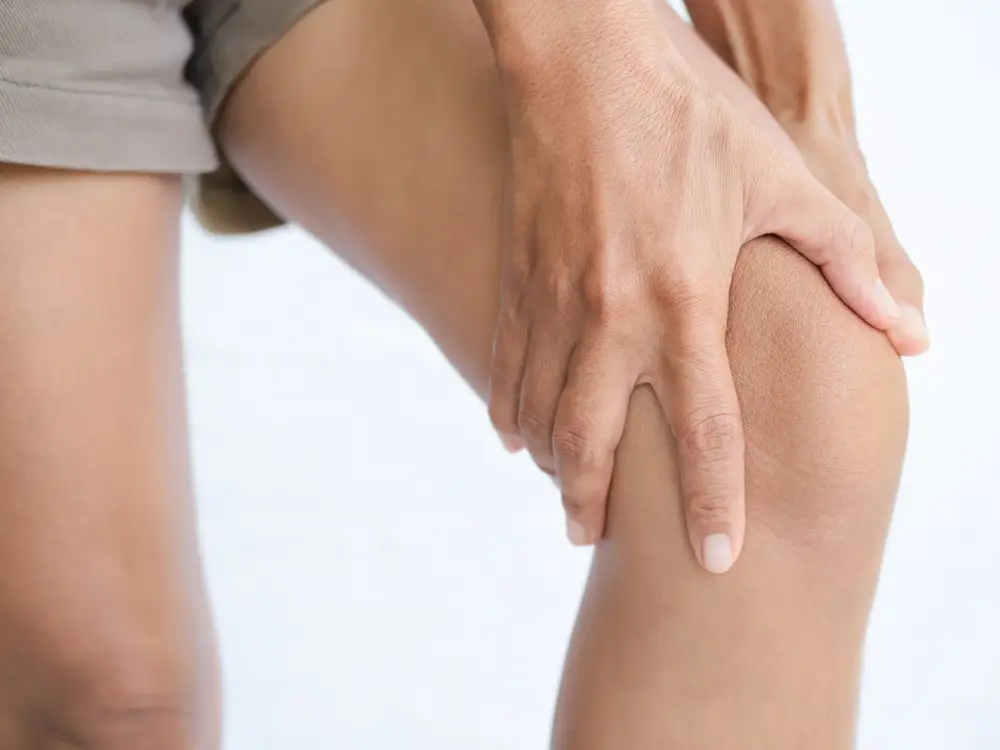
You may not realize it, but you put your knees through a lot of wear and tear on a daily basis, especially if you consistently work out or play sports. And sometimes that strain gets to be too much for your tendons, which can cause a painful knee injury. Any sort of knee pain can make it difficult to do even the simplest physical tasks, such as walking from one place to another or climbing stairs.
Jumper’s knee is a type of injury that can affect anyone who overuses their knee joints, especially those who do a lot of jumping. Even though jumper’s knee can be painful and reduce your mobility, physical therapy can help you heal from the injury and get you right back to your daily physical activities.
Read on to learn the basics of jumper’s knee, how physical therapy can help alleviate the symptoms and techniques that you can expect the therapist to use.
The basics of jumper’s knee
Patellar tendinitis, commonly known as jumper’s knee, is a knee injury that affects the patellar tendon. Your patellar tendon is the tissue that connects your kneecap, known as the patella, to the shinbone, known as the tibia. The tendon’s job is to help your muscles extend your knee.
Jumper’s knee is the result of overusing your knee joint, causing the tendon to tear. The injury’s nickname comes from the fact that it’s often the result of consistent jumping on a solid surface.
Even though the injury can affect anyone who puts repeated strain on the tendon, it’s usually categorized as a sports injury because it’s common in jumping sports such as volleyball and basketball. It has a prevalence rate up to 51% for volleyball and up to 32% for basketball.
Symptoms of jumper’s knee include:
- Tenderness around the patellar tendon and behind the bottom of the kneecap.
- Swelling.
- Pain during movement.
- Stiffness.
How physical therapy can help jumper’s knee
If you’re trying to heal after developing jumper’s knee, physical therapy is one of the best treatment options to consider. Here are some benefits of seeking physical therapy for jumper’s knee:
- Decreased pain.
- Regaining control of the joint.
- Improved mobility.
- Stronger knee muscles.
- Increased flexibility.
- Help with the injury’s healing process.
Physical therapy not only helps with pain management, but it can also improve your knee’s overall quality so that you can get back to your daily activities and even reduce the risk of future injury.
Physical therapy techniques for jumper’s knee
There are a variety of techniques that a physical therapist may recommend to help your jumper’s knee. They will make a customized treatment plan based on the severity of your injury as well as your medical history and physical capabilities.
Techniques that your physical therapist may recommend for jumper’s knee include:
- Joint mobilization — The joint is a large hinge, so it’s important to focus on its mobility that has been affected by jumper’s knee. Joint mobilization is a manual therapy technique that involves the therapist using their hands to manipulate the joint to relieve painful tension and increase the joint’s range of motion.
- Soft tissue mobilization — Jumper’s knee is a soft tissue injury, so the physical therapist will most likely use their hands for a manual therapy technique called soft tissue mobilization. They will use their hands in massagelike motions on the injured area to feel for scar tissue that may have been caused by the injury. Then they can break up the tissue to release the tension.
- Targeted exercises — One of the most important parts of healing from an injury like jumper’s knee is to rehabilitate the affected muscles, tendons and joints to restore their overall quality. A physical therapist will walk you through strengthening and stretching exercises that will increase your knee’s mobility, reduce the pressure on the joint and increase stability to reduce the risk of future injury.
Excel Rehab & Sports can help your jumper’s knee with physical therapy
Jumping up and down can be an important component of many activities, from jumping rope as an exercise to leaping up to make a three-pointer during a basketball game. If you do find that you’re consistently jumping around, you may not even recognize the strain that you’re putting on your knee until you sustain an injury.
Jumper’s knee can interfere with your quality of life, but physical therapy is here to help. When you’re ready to see how physical therapy can help you recover from a jumper’s knee, it’s time to give us a call. Our therapists at Excel Rehab & Sports offer compassionate and caring treatment and want to get you on the path to recovery.
Contact our team today for more information or to schedule an initial appointment.