Please ensure Javascript is enabled for purposes of website accessibility

Category: Ankle Pain

  • What Causes Sharp Ankle Pain That Comes and Goes?

    What Causes Sharp Ankle Pain That Comes and Goes?

    Pain is your body’s way of sending a message. Different types of pain can give you helpful clues about what might be causing your discomfort, although those signals aren’t always entirely clear. A dull ache might signal overuse of a muscle or joint, while a burning sensation could point to nerve irritation.

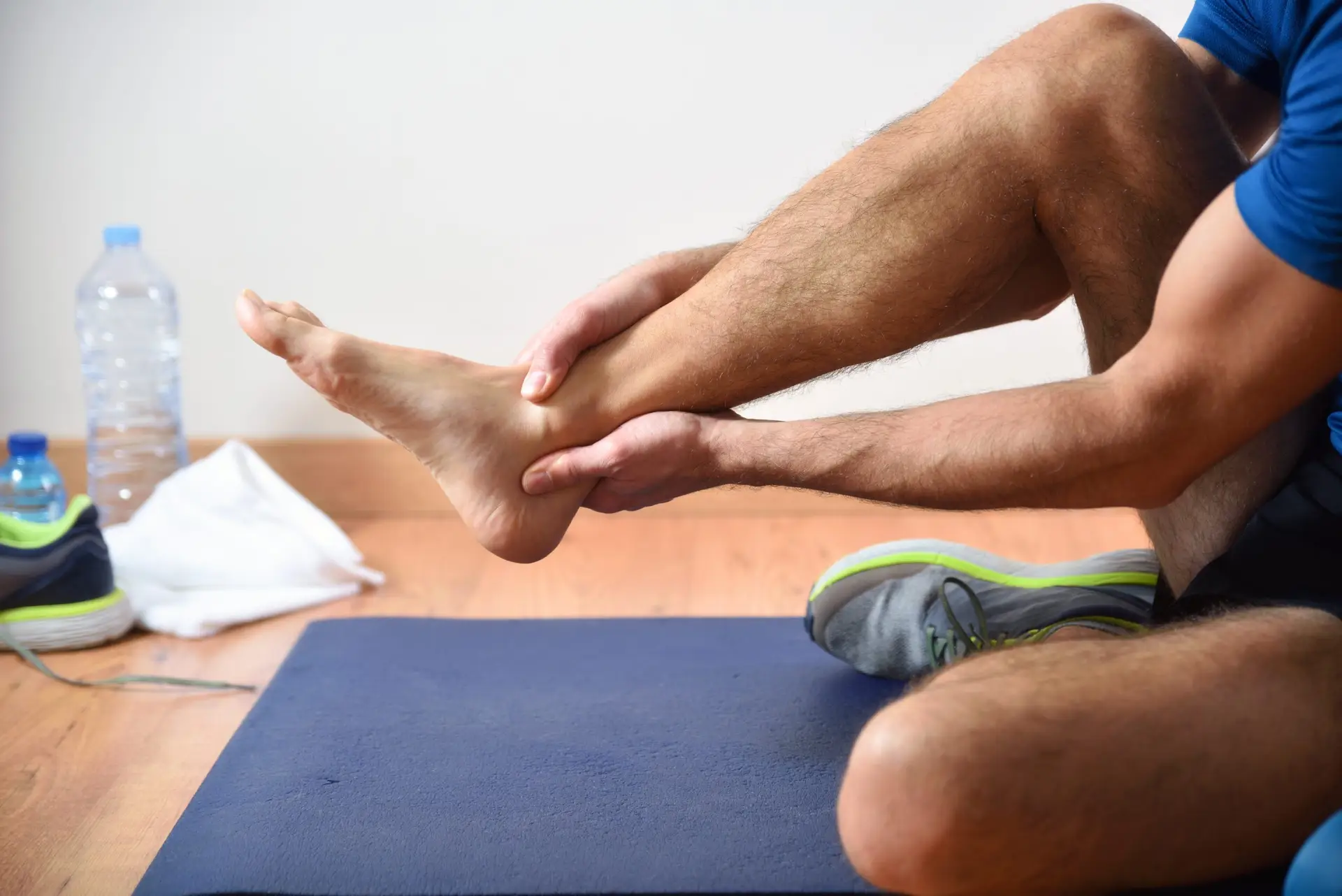
    If you’ve had sharp ankle pain come out of seemingly nowhere, it usually means you’ve had an injury. This can be frustrating because you may not remember a specific moment when you tripped or twisted your foot.

    Everyone places different demands on their ankles depending on their daily activities. Because of this, and because every body is unique, the exact reason for your pain can vary widely. Finding the right balance of rest and gentle motion is often a helpful way to help your ankle heal, but understanding the root cause is the best way to find lasting relief.

    Possible causes of sharp ankle pain

    Sharp ankle pain that comes and goes can be confusing. You might feel totally fine while walking around the house, only to experience a sudden jolt of pain when you step off a curb or climb stairs. Here are a few potential causes of ankle pain that comes and goes.

    Ankle sprains

    Sprains happen when the ligaments that support a joint are stretched beyond their normal limits. For ankle sprains, you will typically feel a sharp pain on the outer part of your ankle, though inner ankle sprains can happen too. Even a mild sprain can cause pain that flares up during specific movements for days or weeks before it fully heals.

    Tendon issues

    Tendons connect your muscles to your bones. When they become irritated or inflamed from overuse, it can cause a sharp pain that worsens with activity and improves with rest. If the issue is in your Achilles tendon, you will likely feel the pain at the back of your ankle or heel. Other common ankle tendonitis conditions are peroneal tendonitis and posterior tibial tendonitis.

    Joint impingement

    Ankle impingement occurs when soft tissues become pinched inside the joint. This usually causes a sharp, pinching pain at the front of the ankle, especially when you point your toes upward.

    Stress fractures

    Tiny cracks in the bones of your foot or lower leg are known as stress fractures. They often develop from repetitive impact, like running or jumping. This pain usually feels deep inside the ankle and gets noticeably sharper when you place weight on the affected foot.

    It’s important to remember that pain can often arise hours or even days after an actual injury takes place. You might finish a busy day feeling fine, only to wake up the next morning with a sharp ache when you step out of bed.

    Because these symptoms can be unpredictable, it’s never a bad idea to get the issue checked out by a professional. A physical therapist can carefully evaluate your ankle to make sure you aren’t doing anything to make the injury worse.

    How to treat sharp ankle pain at home

    If you’re dealing with a minor ankle injury, there are several simple steps you can take at home to encourage healing and reduce your discomfort.

    The most common approach is the RICE method, which stands for:

    • Rest: Give your ankle a break from activities that trigger your pain.
    • Ice: Apply a cold pack wrapped in a towel to the affected area for 15 to 20 minutes at a time to help manage swelling.
    • Compression: Wear a supportive brace or wrap the ankle gently with a bandage to provide stability and reduce fluid buildup.
    • Elevation: Prop your foot up above the level of your heart when resting to help drain excess fluid away from the joint.

    While rest is important, there is a delicate balance to healing a highly mobile joint like the ankle. Complete immobilization can actually work against you over time. Keeping your ankle entirely stiff for too long can lead to tightness, weakness, and a decreased range of motion. Gentle, pain-free movements help promote healthy blood flow and keep your joints flexible as you heal.

    How physical therapy enhances ankle pain recovery

    When home treatments aren’t quite enough, physical therapy is a natural next step to getting more targeted care. A physical therapist can provide a clear diagnosis when your pain is confusing, along with short- and long-term plans to help you heal.

    Once your physical therapist identifies the problem, they will customize a treatment plan designed around your body’s own healing process. Physical therapy also helps you strengthen the muscles around the joint, which can reduce the likelihood of suffering a similar injury in the future.

    One underrated benefit of seeing a professional, even for something that seems minor, is that you’ll get a personalized training plan designed specifically for the lifestyle you’re returning to. Whether you simply want to navigate your daily routine without pain or you want to get back to hiking in the Olympics, your physical therapist will ensure your ankle is ready for the challenge.

    Expert physical therapy in Tacoma

    You don’t have to navigate confusing, sharp ankle pain on your own. Our compassionate team is here to help you understand your pain and find a sustainable solution tailored to you. Get on the path to less pain by requesting an appointment at Timberline Camas Physical Therapy today.


  • Do I Have Weak Ankles? Symptoms, Causes, and Solutions

    Do I Have Weak Ankles? Symptoms, Causes, and Solutions

    It’s a frustrating and possibly even embarrassing condition to deal with. Every step off a curb, stroll through uneven grass, or flight of stairs can trigger that familiar, terrifying wobble. For some, it’s a sharp pain followed by a tumble. For others, it’s a nagging sense of instability that makes every step feel uncertain.

    The feeling of weak ankles is not a diagnosis, but rather an indication that something else in your legs or ankles may need attention. If you find yourself constantly looking at the ground to avoid tripping or wearing high-top shoes just to feel secure, you might benefit from something as simple as new shoes or a guided physical therapy plan to help.

    What causes the feeling of weak ankles?

    Understanding why your ankles feel vulnerable is the first step toward fixing the problem. Genetics play a role in the anatomy of your ankles and lower legs, but there are often more complex biomechanical issues at play that may not be solved by simply doing a ton of exercises.

    Each foot and ankle contain 26 bones, 33 joints, and more than 100 muscles, tendons, and ligaments—which is what makes professional guidance is so important. When you just assume your ankles are weak, you might end up doing exercises that aggravate a more nuanced problem with specific ligaments, muscles, or joints.

    Here are a few common culprits behind the feeling of weakness in the ankle:

    Chronic ankle instability

    Chronic ankle instability (CAI) is perhaps the most common cause of frequent ankle sprains. If you have sprained your ankle in the past and didn’t rehabilitate it fully, the ligaments may have healed loosely. Think of a rubber band that has been stretched too far and never quite snaps back to its original tightness. This looseness impairs your proprioception—your body’s ability to sense where your foot is in space—making you more likely to roll it again.

    Hypermobility

    Some people are born with naturally looser ligaments. If you’ve always been “double-jointed” or more flexible than your friends, you might have hypermobility.

    While this condition can be an advantage in activities like gymnastics or dance, it means your muscles have to work overtime to stabilize your joints. When those muscles fatigue, your ankles can give out more easily, more often.

    Muscle weakness or atrophy

    An obvious cause of ankle weakness is—you guessed it: weak muscles. Specifically the peroneal muscles on the outside of the lower leg. If you’ve become less active recently, or if you’ve been wearing a brace for too long without doing strengthening exercises, these muscles can weaken (atrophy), leaving the joint unsupported.

    Poor foot support

    The structure of your foot affects your ankle stability. If you have flat feet, your ankles may roll inward (overpronation), putting stress on the inside of the ankle and throughout your lower limbs. Conversely, if you have very high arches, your foot may more easily roll outward (supination), which causes different but equally problematic tension throughout your body.

    This kind of anatomical difference can be corrected by having properly fitted shoes, condition-specific shoe insoles, or custom orthotics that are tailored to your feet.

    Symptoms of ankle weakness

    Different underlying conditions will present you with different symptoms throughout your daily life. These are some of the more common indicators that something might be worth treating through physical therapy:

    • Frequent “giving way” – This is the hallmark symptom of ankle instability. It’s the sensation that your ankle is buckling underneath you, even on flat surfaces or during low-intensity activities. It doesn’t always result in a fall, but the feeling of instability is constant.
    • Recurring soreness – You might notice a dull ache in your feet, ankles, or lower legs nearly every day that gets worse with increased activity. This is often muscle soreness arising from stabilizing a loose joint or compensating for asymmetrical biomechanics.
    • Persistent swelling – If your ankles look puffy or swollen after exercise—even if you didn’t twist them—it could be a sign of chronic inflammation caused by instability.
    • Poor Balance – Try standing on one leg with your eyes closed (stand near a wall for safety!). If you can’t hold the position for more than a few seconds without putting your other foot down or flailing your arms, your ankle stabilizers may be weak or atrophied.
    • Difficulty on uneven ground – If walking on sand, cobblestones, or grass feels like an impossible challenge, you may benefit from strengthening muscles throughout your lower limbs.

    Treatment options for recurring ankle problems

    Some ankle instability is mild, temporary, and able to be treated with rest or a gradual return to your normal activities. However, chronic or recurring instability or injuries may be better treated with professional guidance from a physical therapist.

    No matter what treatment method you start with, remember that you won’t suddenly feel remarkably better overnight. Rebuilding stability is a process of retraining both the muscles and the nervous system.

    It’s also important to note that, because the ankles are complex, one person’s cure might make another person’s condition worse. For example, a stability shoe that helps someone with flat feet might cause ankle rolls in someone with high arches.

    Physical therapy and strengthening

    Physical therapy is the standard, most accessible treatment option for treating weak ankles. A physical therapist won’t just tell you to do calf raises; they will assess your entire movement pattern to treat the entire underlying cause. Everyone’s treatment will be different, but components of a physical therapy plan of care often include:

    • Balance training: Exercises on wobble boards or foam pads to retrain your proprioception.
    • Strengthening: Targeting the peroneal muscles, calves, and even the hips (glutes) to ensure the entire leg supports the ankle.
    • Range of motion work: Stiffness can sometimes cause instability, so improving flexibility is key.

    Footwear changes

    Sometimes, the solution is under your feet. If your shoes are worn out or don’t suit your foot type, they can exacerbate ankle instability. A physical therapist may be able to give you recommendations based on your diagnosis, or you can explore condition-specific shoe types on your own.

    Bracing and taping

    For those who need a quick solution to returning to a specific activity on short notice, external support can be helpful.

    • Ankle braces: These provide rigid or semi-rigid support to prevent rolling. They are great for high-risk activities but shouldn’t be relied upon 24/7, as they can cause the muscles to weaken further over time.
    • Kinesiology tape: This flexible tape provides sensory feedback to the skin, helping your brain be more aware of the ankle’s position without restricting movement.

    Orthotics

    If your foot structure is the root cause, custom orthotics can help realign the foot, taking pressure off the ankle joint and providing a neutral foundation for movement.

    Find comprehensive care at PT & Spine

    Living with the fear that your next step could result in an injury is exhausting. It limits your freedom and keeps you on the sidelines of your own life. But it’s also something you can take action to help treat.

    At PT & Spine in New Orleans, we believe in treating the whole person, not just the injury. We understand that your ankle pain is unique to your body, your history, and your lifestyle. Many ankle pain sufferers are shocked when we can trace their pain, to different underlying issues in the foot, the knee, or even the hips.

    We are here to help you build a strong foundation so you can get back to doing what you love with confidence. If you’re ready to say goodbye to the wobble and hello to stability, request an appointment today at PT & Spine.

  • Why Does the Outside of My Ankle Always Hurt?

    Why Does the Outside of My Ankle Always Hurt?

    Ankle pain shouldn’t be something you just “push through” or ignore. Whether you’re an athlete dealing with recurring discomfort after training sessions or just want to walk around the house without wincing, persistent pain on the outside of your ankle deserves attention and proper treatment.

    The outer edge of your ankle—medically known as the lateral ankle—is particularly vulnerable to injury and chronic pain. This area bears significant weight during movement and absorbs impact from activities like walking, running, and jumping. When something goes wrong, the pain can range from a dull ache to sharp, stabbing sensations that interfere with daily activities.

    The good news? Most lateral ankle pain responds well to treatment, especially when you work with a qualified physical therapist who can create a personalized plan for your specific situation.

    Causes for outside of ankle pain

    Several conditions can cause persistent pain on the outside of your ankle. The onset might be sudden—perhaps after a misstep during a basketball game—or gradual, developing over weeks or months of repetitive stress. Here are the three most common culprits:

    Ankle sprains

    Lateral ankle sprains are among the most frequent ankle injuries, accounting for roughly 85% of all ankle sprains. These occur when the ligaments on the outside of your ankle stretch or tear, typically happening when your foot rolls inward while your ankle turns outward.

    Even after the initial injury heals, some people experience chronic ankle instability. The affected ligaments may remain weakened, making the ankle more prone to “giving out” during activities. This instability can lead to ongoing pain and repeated sprains if not rehabilitated properly.

    Peroneal tendonitis

    The peroneal tendons run along the outside of your ankle, helping to stabilize the foot and ankle during movement. Peroneal tendonitis develops when these tendons become inflamed, often due to overuse, improper footwear, or sudden increases in activity level.

    This condition commonly affects runners, dancers, and people who participate in sports involving quick direction changes. The pain typically worsens with activity and may be accompanied by swelling along the outer ankle and foot.

    Lateral ankle impingement

    Sometimes called “footballer’s ankle,” lateral ankle impingement occurs when soft tissues or bone spurs around the ankle joint become pinched during movement. This can happen after previous injuries that didn’t heal properly or in people who repeatedly stress their ankles through high-impact activities.

    The pain from impingement often feels sharp and occurs during specific movements, particularly when pointing your toes downward or rolling your ankle outward.

    How to treat lateral ankle pain

    Most people find the right treatment for their lateral ankle pain through a combination of self-care strategies and professional intervention. While minor discomfort might resolve with simple home remedies, persistent or severe pain usually requires guidance from a physical therapy professional.

    At-home remedies

    The RICE method remains a helpful first-line treatment for acute ankle pain:

    • Rest: Avoid activities that worsen your pain
    • Ice: Apply for 15-20 minutes several times daily during the first 48-72 hours
    • Compression: Use an elastic bandage to reduce swelling (avoid wrapping too tightly)
    • Elevation: Keep your ankle raised above heart level when possible

    Activity modification is equally important. This doesn’t necessarily mean complete rest and immobilization—instead, focus on adjusting your activities to avoid the hard, fast, or straining movements that trigger pain. Low-impact exercises like swimming or cycling might be better alternatives than running or jumping during the healing process.

    Finally, over-the-counter anti-inflammatory medications can help manage pain and swelling, but they should be used as directed and aren’t a long-term solution.

    Professional physical therapy techniques

    Seeing a physical therapist is the second option for treatment that allows most people to find relief, even if their rest and ice packs haven’t worked so far.

    At Whatcom, our Physical Therapists use various evidence-based techniques to treat lateral ankle pain:

    • Manual therapy includes hands-on techniques like joint mobilization and soft tissue massage to improve mobility and reduce pain. These specialized techniques help restore normal movement patterns and address restrictions you might not be able to fix on your own.
    • Therapeutic exercises target specific muscle groups around the ankle to improve strength, stability, and flexibility.
    • Balance and proprioception training helps retrain your body’s ability to sense ankle position and maintain stability. This is particularly important for preventing re-injury and addressing instability.
    • Movement analysis allows your physical therapist to identify faulty movement patterns that might be contributing to your pain. Correcting these patterns can prevent future problems and speed recovery.

    Perhaps the most important aspect of professional treatment is personalization. While internet research can give you general information, it cannot account for your unique medical history, fitness level, specific symptoms, and goals.

    On the other hand, when you come in for an appointment, a physical therapist conducts a thorough evaluation and focuses on your experience to determine exactly what’s causing your pain.

    Ankle pain treatment at Whatcom Physical Therapy

    Although it can seem straightforward or “not a big deal,” outside ankle pain can really affect your life and wellbeing. Whether your discomfort stems from a recent injury or has been bothering you for months, effective treatment options are available.

    At Whatcom PT, we make physical therapy accessible and personal. With appointments available as soon as tomorrow, there may be no faster way to start seeing the healing you’ve been looking for on your own. Start the process by calling one of our clinics or by requesting your appointment online today.

  • What to Do About Medial Ankle Pain

    What to Do About Medial Ankle Pain

    Medial ankle pain can transform simple daily activities like walking up stairs or getting out of bed into painful tasks. Knowing that your pain feels like it’s coming from the interior of the ankle can narrow down your medial ankle pain’s potential causes from minor sprains to more complex conditions that affect this area in particular.

    Understanding the root cause of your medial ankle pain is the first step toward effective treatment and recovery. Whether you’re dealing with swelling, stiffness, or sharp shooting pains, knowing how to identify symptoms and take appropriate action can make the difference between a quick recovery and prolonged discomfort.

    What medial ankle pain feels like

    Medial ankle pain presents differently for each person, but there are common characteristics that can help you identify this specific type of ankle discomfort. First and foremost, the pain typically occurs along the inner edge of your ankle, where your ankle bone meets the lower leg.

    In chronic cases, the sensation often begins as a dull ache that worsens with movement or weight-bearing activities. Many people describe the pain as a deep, throbbing sensation that intensifies when walking, running, or standing for extended periods.

    Other common types of discomfort associated with medial ankle pain include:

    • Sharp, stabbing pains during movement
    • Persistent aching even at rest
    • Stiffness, particularly in the morning
    • Tenderness when touching the inner ankle area
    • Difficulty bearing weight on the affected foot
    • Pain that radiates up the inner leg or down into the foot
    • Increased discomfort when pushing off the ground while walking

    Causes of medial ankle pain and swelling

    When medial ankle pain occurs alongside swelling, it often indicates acute injury or inflammatory conditions:

    • Ankle sprains and impingement are among the most common culprits. When the ligaments on the inner side of your ankle stretch or tear, pain and swelling typically follow. This frequently happens during jumping, sudden acceleration or stopping, walking on uneven terrain, or sudden directional changes.
    • Tendonitis of the posterior tibial tendon can cause significant medial ankle pain with swelling. This condition often develops gradually in runners, dancers, or individuals who spend long hours on their feet. The posterior tibial tendon supports your arch, and when inflamed, it creates pain along the inner ankle and lower leg.
    • Fractures involving the medial malleolus (inner ankle bone) typically result from direct trauma, falls, or severe ankle twists. These injuries almost always present with immediate swelling and intense pain.
    • Arthritis, particularly osteoarthritis or rheumatoid arthritis, can affect the ankle joint and surrounding tissues. Inflammatory arthritis often causes morning stiffness, swelling, and progressively worsening pain.

    Activities that increase a person’s risk for these types of injuries include:

    • Basketball, soccer, and other sports requiring quick direction changes
    • Trail running or hiking
    • Dancing or gymnastics
    • Workplace activities involving prolonged standing
    • Falls or motor vehicle accidents

    Causes of medial ankle pain, no swelling

    Medial ankle pain without swelling often points to different underlying issues, typically involving chronic conditions or minor injuries that don’t trigger significant inflammatory responses.

    • Tarsal tunnel syndrome occurs when the posterior tibial nerve becomes compressed as it passes through a narrow space on the inner side of your ankle. This condition causes pain, tingling, or numbness along the inner ankle and into the foot, similar to carpal tunnel syndrome in the wrist.
    • Chronic tendon irritation can develop over time without obvious swelling. This often affects people who gradually increase their activity levels or have biomechanical issues affecting how their foot strikes the ground.
    • Scar tissue formation from previous injuries can create ongoing pain without visible swelling. Even years after an initial injury, adhesions and scar tissue can cause persistent discomfort.
    • Biomechanical problems such as flat feet or overpronation can place excessive stress on the medial ankle structures. Over time, this creates pain patterns without sudden inflammation.
    • Nerve irritation from tight muscles, poor posture, or compression elsewhere in the leg can refer pain to the medial ankle area. This type of pain often has a burning or tingling quality.

    How to take care of an ankle injury at home

    Effective home treatment for medial ankle pain begins with the RICE protocol: Rest, Ice, Compression, and Elevation. This approach helps manage pain and promotes healing during the initial stages of injury.

    • Rest means avoiding activities that worsen your pain. This doesn’t necessarily mean complete immobilization, but rather modifying your activities to prevent further injury.
    • Ice application helps reduce pain and any swelling present. Apply ice for 15-20 minutes several times daily during the first 48-72 hours after injury.
    • Compression with an elastic bandage or ankle sleeve provides support and may help reduce swelling. Wrap snugly but not so tight that it cuts off circulation or increases numbness.
    • Elevation above heart level when possible helps reduce swelling by promoting fluid drainage from the affected area.

    Additional home treatment strategies include:

    • Taking over-the-counter pain medications like ibuprofen or acetaminophen as directed
    • Gentle range-of-motion exercises once acute pain subsides
    • Supportive footwear with good arch support
    • Avoiding activities that caused the initial injury
    • Only returning to normal activities gradually as symptoms resolve

    How physical therapy helps after an ankle injury

    Physical therapy often plays a crucial role in recovering from medial ankle pain that doesn’t get better on its own, or when your at-home care isn’t helping. A Border Therapy Services PT can assess your specific situation and develop a personalized medial ankle pain treatment plan.

    • Comprehensive evaluation is the first step. Your physical therapist will examine your ankle mobility, strength, balance, and walking patterns to identify contributing factors and develop targeted treatment strategies.
    • Manual therapy techniques can provide immediate pain relief and improve mobility. These hands-on treatments may include joint mobilization, soft tissue massage, and specialized techniques to break up scar tissue or release tight muscles.
    • Therapeutic exercises form the cornerstone of physical therapy treatment. Your therapist will guide you through specific exercises designed to: restore normal range of motion, strengthen weakened muscles, improve balance, and find better movement patterns for your sport or activities.
    • Education about proper body mechanics, footwear selection, and activity modification helps prevent future injuries and manage current symptoms effectively.

    As opposed to at-home care, where you may find yourself stuck in a trial-and-error approach to solving your symptoms, many people experience significant improvement within a few weeks of starting a structured physical therapy program.

    Ankle pain treatment in El Paso, TX

    Medial ankle pain doesn’t have to limit your daily activities or keep you from the sports and hobbies you enjoy. With proper identification of the cause and appropriate treatment, most people can achieve full recovery and return to their normal lifestyle.

    Learn more about how we can not only help treat your symptoms, but also help you move better in the long term with injury prevention strategies tailored to your activity level and lifestyle. Start a conversation with our team by calling one of our clinics or by requesting your first appointment online today.

  • How Long Will A Mild Ankle Sprain Hurt?

    How Long Will A Mild Ankle Sprain Hurt?

    Ankle sprains don’t discriminate. Whether you’re a weekend warrior hitting the basketball court, a busy parent chasing your kids around, or someone who simply stepped off a curb the wrong way, ankle injuries can happen to anyone at any time.

    If you’re reading this with an ice pack on your ankle, you’re probably wondering: “How long until I can get back to normal?” For most mild ankle sprains, you can expect healing to take anywhere from 2-6 weeks. However, this timeline can vary significantly based on your age, activity level, previous injuries, and treatment approach.

    If getting back to work or your favorite hobby or sport is a priority, consulting with a physical therapist can provide you with the most personalized recovery plan for both immediate healing and long-term ankle health.

    Ankle sprain severity

    Ankle sprains, like any ligament sprain, are classified into one of three Grades based on their severity.

    • Grade 1 sprains (mild): A grade 1 sprain involves slight overstretching or microscopic tearing of the ankle ligaments. You’ll experience mild pain, minimal swelling, and little to no bruising.
    • Grade 2 sprains (moderate): Grade 2 sprains involve partial tearing of the ligaments, resulting in moderate pain, swelling, and bruising. The grade 2 ankle sprain time frame for healing extends to 3-6 weeks.
    • Grade 3 sprains (severe): The most serious type involves complete ligament tears. Grade 3 sprains cause severe pain, significant swelling, and extensive bruising. Recovery can take 6-12 weeks or longer, often requiring immobilization and intensive physical therapy.

    Healing tips

    The sprained ankle healing time largely depends on how well you manage the injury from day one. Both immediate self-care and professional treatment play crucial roles in your recovery timeline.

    Self-care for mild sprains

    The RICE protocol remains the gold standard for initial mild sprained ankle treatment that you can do on your own:

    • Rest: Avoid activities that cause pain or discomfort. This doesn’t mean complete bed rest, but rather avoiding movements that stress the injured ligaments. Listen to your body and don’t “push through” significant pain.
    • Ice: Apply ice for 15-20 minutes every few hours during the first days after injury. Ice helps reduce swelling and numbs pain naturally.
    • Compression: Use an elastic bandage or compression wrap to control swelling. Wrap from your toes toward your heart, ensuring the bandage is snug but not so tight that it cuts off circulation.
    • Elevation: Keep your ankle raised above heart level when possible, especially when sleeping or resting. This helps fluid drain away from the injured area, reducing swelling.

    Over-the-counter pain medications like ibuprofen or acetaminophen can help manage pain and reduce inflammation during the acute phase of healing. Only take these types of medications as directed and in coordination with your primary care provider, especially if you take other medications.

    Physical therapy for bad ankle sprains

    While mild sprains often heal well with self-care, working with a physical therapist can significantly improve your recovery outcomes and provide valuable education on caring for this key joint in your body. Physical therapy becomes especially important for moderate to severe sprains or if you’ve had previous ankle injuries.

    A physical therapist will assess your specific injury and create a customized treatment plan that may include:

    • Manual therapy techniques to improve joint mobility and reduce scar tissue formation. Gentle mobilization helps maintain proper ankle mechanics during healing.
    • Progressive strengthening exercises that target not just the ankle, but the entire kinetic chain including your calf, shin, and hip muscles. Strong supporting muscles reduce re-injury risk.
    • Balance and proprioception training to retrain your body’s ability to sense ankle position. This is crucial for athletes because some ankle sprains damage the nerve receptors that help prevent future injuries.
    • Functional movement patterns that prepare you for return to your specific activities, whether that’s running, dancing, or simply navigating stairs safely.

    Protect your healing progress

    One of the biggest mistakes people make during ankle sprain recovery is returning to full activity too soon. Just because your pain has decreased or even gone away completely doesn’t mean your ligaments have fully healed.

    Any of the following symptoms can linger longer than sharp or ever-present pain in your ankle following an injury:

    • Pain with very specific movements
    • Swelling that returns after activity
    • Feeling of instability or your ankle “giving way”
    • Decreased range of motion compared to your uninjured ankle

    If you’re treating a minor ankle injury at home, be sure to continue resting and allowing the joint to heal even longer than you think you need to. This is another benefit to seeking a physical therapist, who will be able to adapt and advise you on how you’re progressing throughout the treatment process.

    Ankle injury treatment in North Carolina

    Don’t let an ankle sprain sideline you longer than necessary. At Peak Performance Clinics, our experienced physical therapists specialize in ankle injury rehabilitation and can help you return to your active lifestyle safely and efficiently.

    Get your personalized assessment as soon as possible by calling a clinic near you or by requesting an appointment online today.

  • Why Does My Ankle Hurt With No Injury?

    Why Does My Ankle Hurt With No Injury?

    Ankle pain is frustrating enough when you know the cause. But when pain appears out of nowhere? It’s just cruel. The good news is that you’re not alone. You’re not imagining things. There are several good reasons that you might experience ankle pain without any obvious injury. And there are just as many options for getting relief quickly and hopefully preventing more pain in the future.

    Types of sudden ankle pain

    First, let’s unpack the different types of pain you might be experiencing, and how each type can point to different underlying causes. That’s the key to getting effective treatment, whether something simple that you can do at home or something a Physical Therapist at Back in Motion can help with.

    Sharp pain when bearing weight

    Does your ankle feel fine when resting, but sharp pain shoots through it the second you stand or walk? This type of pain is often localized and can have several potential culprits, even if you haven’t recently injured yourself. Common causes include:

    • Stress fractures: Tiny cracks in the bones caused by repetitive stress, such as running. These can develop over time without any single traumatic event and then start hurting seemingly out of nowhere.
    • Tendonitis: Inflamed tendons, like the Achilles tendon, can cause pain when the ankle is under load.
    • Arthritis: Rheumatoid or osteoarthritis can cause sharp pain in the ankle joint, even without a prior injury.

    If you suspect any of these issues, a physical examination may be required to confirm the diagnosis and begin treatment. In the meantime, avoid activities that hurt your leg as much as possible. If it’s completely debilitating, or preventing you from being able to work, talk to a physical therapist.

    Aching pain in specific positions

    Aching pain usually feels dull but constant, becoming more noticeable in specific situations. You might feel it after sitting or standing for long periods, or after activity or exercise. Potential causes for aching ankles without injury include:

    • Stiffness: Joint stiffness, often felt upon waking in the morning or after sitting for a while, might indicate stiffness in the soft tissues of the ankle joint or a condition like arthritis.
    • Overuse strain: Standing for too long or exercising excessively can irritate the soft tissue surrounding the ankle, leading to a dull ache that can get better with rest and stretching.
    • Tarsal tunnel syndrome: Similar to carpal tunnel syndrome in your wrist, this condition involves a compressed tibial nerve in your ankle, causing soreness or tingling sensations in your foot.

    These underlying issues tend to worsen when you don’t do anything about them, so adjusting activity levels or talking to a professional can help.

    Ankle pain in both ankles

    If you’re experiencing pain in both ankles, systemic issues may be at play rather than a localized problem. Common explanations for the same type of pain in both ankles include:

    • Edema (swelling): Swelling caused by fluid retention can affect both ankles, often due to issues with circulation, such as venous insufficiency.
    • Gout: A form of arthritis caused by uric acid buildup that can affect multiple joints, including both ankles.
    • Autoimmune conditions: Conditions like rheumatoid arthritis or lupus can cause pain in multiple joints, including both ankles at once.

    Treatment for a condition like these will vary and physical therapy may or may not play a role in your recovery and management of the diagnosis.

    Ankle pain after wearing new/different shoes or going barefoot

    Sometimes, ankle pain with no obvious injury can be traced back to footwear. Your favorite new pair of shoes or even a few minutes going barefoot for the first time during the summer can wreak havoc on your joints.

    Switching back to supportive, comfortable footwear can often resolve these issues in a few days. On the other hand, you could work with a physical therapist to get orthotic insoles to feel comfortable in any shoe, or to learn how to move around barefoot with proper walking mechanics.

    Treating ankle pain with no obvious injury

    Once you’ve identified the type and source of your pain, you can take steps to treat it. Keep in mind that while self-treatment methods can be effective, consulting a professional ensures better results.

    • Rest and ice: Reduce inflammation by staying off your feet and applying an ice pack for 15–20 minutes every few hours.
    • Compression and elevation: Using a compression wrap and keeping your ankle elevated can help minimize swelling.
    • Stretching and strengthening: Physical therapy exercises can train weakened muscles and improve the range of motion in the ankle.

    It’s tempting to rely on fast and seemingly accurate solutions you can find online, but they can only take you so far. For truly personalized care, a consultation with a physical therapist is invaluable. They can dig deeper than symptoms to uncover the root cause and develop a tailored treatment plan.

    Should I see a doctor for sudden ankle pain?

    The good news is, you don’t always need to start with a primary care provider to address ankle pain. Physical therapists can often be your first stop, helping you save time and take actionable steps toward recovery faster. However, there are scenarios where you should see a doctor immediately:

    • Severe swelling or deformity.
    • Pain that worsens rapidly or doesn’t improve at all after a few days.
    • Signs of infection, such as redness, warmth, and fever.

    If you’re unsure how to get started, give us a call and our team will help you figure out what kind of care is right for you. We can even assist with understanding your insurance coverage and scheduling an appointment.

    Find Relief Now with Back in Motion Physical Therapy

    Unexplained ankle pain can be frustrating, but you don’t have to go through it alone. At Back in Motion Physical Therapy, we specialize in helping Mainers of all walks of life find rapid relief and long-term solutions for their pain.

    Start a conversation with our experts by calling a clinic near you or by requesting your first appointment online today.

  • How Long Does a Sprained Ankle Take to Heal?

    How Long Does a Sprained Ankle Take to Heal?

    As you might guess, the answer to how long a sprained ankle takes to heal largely depends on the severity of the injury. However, there are habits and treatments that can help speed recovery, as well as things that could slow it down or complicate your recovery.

    Severity of ankle sprains

    An ankle sprain is, generally speaking, damage to ligament fibers in the ankle joint. The more damage, the more severe the injury and, often, the more intense the symptoms.

    Grade 1 sprain

    A grade 1 sprain is the least severe. It involves over-stretching or miniscule tearing of the ankle ligaments. While the joint may feel tender and slightly swollen, you’ll likely have full or near-full mobility.

    Grade 2 sprain

    Moderate sprains fall under grade 2 and involve partial tearing of the ligaments. These injuries often come with noticeable swelling, discoloration, and instability in the ankle.

    Grade 3 sprain

    The most severe sprains, grade 3 injuries, involve a complete tear of the ligament. Symptoms will include moderate to severe pain, swelling, and bruising, and you may find it nearly impossible to put weight on the affected ankle.

    How long will a sprained ankle hurt?

    The presence of symptoms after an ankle sprain can be different for everyone, but generally follow the common sense that the more severe the injury, the longer and more painful it will be to heal.

    For mild sprains, pain and other symptoms can last for up to two weeks, although you may be tempted to return to full activity sooner, which can delay the healing process.

    For grade 2 sprains, it’s often recommended to seek treatment from a physical therapist, which you can do without the need for a doctor’s referral first. They will help you identify the best way to help your ankle heal after evaluating the severity of the injury. Most people go through a physical therapy program for up to 6 weeks before returning to full activity.

    The most severe sprains require the longest healing time. With early intervention and close adherence to at-home treatment guidelines, severe sprains may heal in within 3-4 months.

    It’s important to mention that even though the pain may get better sooner than you expected, this doesn’t mean the ankle is fully healed. Pain is not a perfect predictor of the ligament healing process, so always follow your physical therapist’s instructions when considering returning to activity or stopping at-home exercises.

    What helps to heal a sprained ankle?

    The key to reducing ankle sprain recovery time lies in applying the right treatments at the right time. A combination of at-home care and professional support can help you minimize discomfort and speed up recovery.

    At-home care for ankle sprains

    Mild to moderate ankle sprains can usually be managed effectively at home with proper care. The RICE method is a common recommendation for those recovering from mild injuries of all kinds on their own. RICE stands for:

    • Rest: Avoid putting weight on the injured ankle for at least 48 hours.
    • Ice: Apply ice packs for 15–20 minutes every 2–3 hours during the first 48 hours to reduce swelling.
    • Compression: Use an elastic or ACE bandage to provide support and minimize swelling.
    • Elevation: Keep your ankle elevated above heart level to help reduce inflammation.

    In addition to these general pain relief and treatment techniques, follow the mobility stretches and exercises assigned to you by your physical therapist. They may also recommend wearing certain types of supportive shoes or even using devices like crutches when needed to keep your ankle protected as it heals.

    Physical therapy for a sprained ankle

    While at-home care can be effective for minor sprains, physical therapy often plays a critical role in recovering from moderate to severe injuries. Some of the treatment methods that may be utilized depending on your injury include:

    • Joint mobilization
    • Therapeutic exercises
    • Personalized recovery plans (getting back to normal routine)
    • Sport-specific guidance
    • Injury prevention tips

    Even though early intervention is helpful, it doesn’t mean that we won’t accept patients after a certain time period. No matter when your ankle started hurting, it’s always a good time to visit Franklin Rehabilitation to feel better for good.

    Physical therapy can help heal an ankle sprain

    Recovering from an ankle sprain doesn’t have to be a long or overwhelming process. With the right mix of rest, at-home care, and professional therapy, you may be able to improve your ankle sprain recovery time and prevent issues from lingering. Get the rehabilitation you need to live life with less pain by calling Franklin Rehab or by requesting your evaluation online today.

  • Stiff ankles in the morning: 5 common causes and treatments that can help

    Stiff ankles in the morning: 5 common causes and treatments that can help

    Waking up to stiff ankles in the morning can make starting your day difficult. If you want to understand your body better, read on to learn about why you may be experiencing this discomfort and different ways PT can help treat your stiff ankles.

    Common causes 

    There are a variety of causes for stiff ankles in the morning. Lifestyle habits like working on your feet every day or being an avid soccer player can mean that you may have prolonged pressure in your ankles. Or, there may be an age-related cause for your stiff ankles.

    You may also develop early-onset arthritis, which does happen to some young people, but there may also be other, more relevant factors behind your stiff ankles like an injury or tendinitis. Understanding the different possible causes of ankle stiffness can help you better identify which of them may be affecting you. Physical therapy is a noninvasive and effective option for treating stiff ankles, no matter the reason. A physical therapist can evaluate you and determine a treatment plan designed to get you back to your daily life.

    Here are a few of the issues that can cause morning ankle stiffness:

    1. Arthritis

    Stiff ankles in the morning are often a symptom of or are caused by arthritis. Ankle arthritis is a degeneration of the cartilage in your ankle or ankles. Degeneration of cartilage is when the cartilage deteriorates and becomes less firm, making movement stiffer or possibly even painful. 

    Arthritis-related ankle stiffness often occurs with age but can appear earlier for those who do lots of repeated motions or have high levels of activity. For instance, runners may feel stiffness when getting out of bed in the morning because of the wear and tear on their ankles. 

    For some, this can happen earlier because of improper care or caution with activity. One example might be running with shoes that don’t cushion your feet properly. Factors like this, combined with repeated actions, can cause arthritis and thus stiffness earlier than it may for others.

    For treatment of arthritis-related ankle stiffness, it would be beneficial to look into an ankle evaluation by a physical therapist to see what your ability levels are. This can help you take precautions with certain activities that may make your arthritis worse or flare up. It also is beneficial because an ankle evaluation can help you understand what areas may have stiffness or pain during activity or the next morning after activity. This kind of informational session can help you understand your body better and the causes behind your discomfort.

    2. Tendinitis

    Repeated movements can also cause tendinitis. This condition occurs when a tendon becomes inflamed, and this can cause aching, swelling and stiffness. 

    An infection of the foot or ankle can be a cause of tendinitis. The infection could be from a bug or spider bite, scrape, or wound that has infected the area, but the source of the injury or infection is not always visible. In these cases, swelling may occur along with stiffness. 

    A sudden injury can also cause tendinitis, such as a hard fall or hit to the ankle or foot. With tendinitis, you may also feel a grating sensation or weakness and pain in the affected ankle, along with stiffness and decreased mobility. 

    Going to a physical therapist for functional movement systems can help you understand your ankle stiffness better. Functional movement systems therapy focuses on chronic conditions rather than acute conditions, which are defined by their sudden or severe onset. The purpose of this therapy is to identify long-term limitations in the body. With tendinitis, this can mean knowing your limitations in sports or activities so that you better understand how you should approach those activities. This kind of evaluation can help you identify how many areas are stiff and what your ability levels are with tendinitis.

    3. Ankle sprain

    An ankle sprain can happen from you rolling or falling on your ankle. This can happen to athletes as they run or jump and feel themselves land funny. Oftentimes after a sprain occurs, you feel immediate pain and your ankle will start to swell. Also, your ankle may feel tender or painful to the touch. 

    With mild sprains, the swelling will likely go down after a few days and the pain will often decrease. But in more serious cases, you might not see a reduction in swelling for much longer, and your ankle may become stiff. 

    A physical therapist can help you understand why you may have decreased mobility by identifying the specific sprained area. They can then use techniques in manual therapy to work on mobilizing that area over time. Manual therapy can help with mobilization through specific exercises and hands-on treatment that can reduce swelling and pain, and manipulate soft tissue and joints.

    4. Trip or impact injuries

    Injuries can happen at random or at work. But if you experienced a sharp blow, tripped, or knocked into something and since then have been experiencing stiffness in your ankles each morning, then your injury may have led to your ankle stiffness.

    The injury could make the area inflamed, causing tendinitis. Depending on the circumstances and factors like age or activity level, you may be more likely to develop chronic symptoms, like stiffness, after an injury. However, speaking with a physical therapist can help you identify whether your ankle stiffness has been triggered by a short-term injury or a more long-term issue like tendinitis.

    If you experienced this injury at work, you may want to consider reading about insurance and workers’ compensation on our patient resources page. This page has information about making claims for accommodations at your workplace as well as resources after an injury or accident has happened.

    5. Overuse

    This can happen from overly high levels of activity that involve using your ankle. For example, if you play soccer every day and constantly practice kicking the ball into the net, then you may have prolonged pressure in your ankle.

    Stiffness may occur because of that pressure, and it may be exacerbated by a lack of stretching or relaxation in the area. This can cause you to later on develop arthritis or tendinitis because of the prolonged pressure and stiffness.

    A physical therapist can provide stiff ankle treatment that may include many different techniques. For instance, your therapist may create a program of exercises or stretches that can ease the stiffness you feel in your ankles in the morning.

    Find effective help for your morning ankle stiffness at Excel Rehab & Sports

    Stiff ankles in the morning can be caused by many different issues. Having a physical therapist from Excel Rehab & Sports help with your stiffness can mean that you don’t have to try to understand it all by yourself. Our specialists can evaluate your ankles and help you learn the root cause of your stiffness. They can also determine the most effective path to feeling better and work to help you prevent ankle stiffness and pain in the future. 

    Contact our team today for more information about how we can help treat your stiff ankles or to schedule an initial appointment with us.

  • How to Treat a High Ankle Sprain

    How to Treat a High Ankle Sprain

    If you follow sports headlines, you’ve probably heard of NFL stars or basketball players sidelined due to high ankle sprains. But this isn’t just a pro-athlete problem—anyone with an active lifestyle can be susceptible to this type of injury. Whether it’s a misstep on a hiking trail or a wrong landing during a pickup game with friends, a high ankle sprain can significantly disrupt your ability to move freely and do the things you love.

    Fortunately, physical therapy can provide the same type of care the pros get, allowing you to get back to your normal mobility and hobbies sooner rather than later.

    What is a high ankle sprain?

    Even if you know the term, you might not be able to point out where your “high ankle” actually is. While it’s easy to assume it refers to the calf or shin, a high ankle sprain actually involves the ligaments that connect your tibia (shinbone) to your fibula (the smaller bone that runs parallel to it). This area is located just above the ankle joint, hence the name. A sprain occurs when these ligaments are stretched or torn, usually due to a sudden twisting or rotational force.

    You may have a high ankle sprain if you have these symptoms:

    • Pain above the ankle, especially when bearing weight
    • Swelling and bruising just above the ankle
    • Limited range of motion
    • Pain when the ankle is twisted or rotated

    If any of these symptoms sound familiar, it’s important to seek a proper diagnosis from a medical professional to rule out fractures or other, more severe injuries.

    What’s the difference between high and low ankle sprain?

    Not all ankle sprains are created equal. While a low ankle sprain is much more common, understanding the distinctions is key to identifying what you’re dealing with.

    High ankle sprains:

    • Affect the ligaments just above the ankle joint (the syndesmotic ligaments between the tibia and fibula).
    • Pain worsens with twisting or rotational movements.
    • Often caused by sudden twisting or outward rolling of the ankle during high-impact activities.

    Low ankle sprains:

    • Affect the ligaments on the outside of the ankle joint (lateral ligaments).
    • Pain typically centers around the outside ankle bone.
    • Often caused by rolling the ankle inward, such as during a misstep or uneven terrain.

    How long does a high ankle sprain take to heal?

    How long an ankle sprain takes to heal depends on several factors, and seeking treatment is key to getting back on your feet as soon as possible. The biggest factor in your recovery timeline is just how severe the sprain (tear) is:

    • Mild sprain (Grade 1): Full recovery can take around 4 to 6 weeks.
    • Moderate sprain (Grade 2): Expect a healing time of 6 to 12 weeks.
    • Severe sprain (Grade 3): These injuries may require surgical intervention and could take 3 months or more to heal.

    Physical therapy for high ankle sprain

    Treating a high ankle sprain goes beyond simply avoiding walking on it—it’s about complete rehabilitation of the area. Proper physical therapy can help accelerate healing and prevent future injuries.

    Although each person is unique and will have a personalized plan that’s tailored to their health condition and goals from recovery, a physical therapy treatment plan might include:

    • Ankle and calf exercises
    • Therapeutic stretches
    • Joint mobilization
    • KT tape for high ankle sprain
    • Active recovery exercise techniques (aquatic therapy, etc.)
    • Balance training

    Not everyone has access to the same level of athletic care as the Steelers, but with consistency and a personalized approach, you’ll be feeling back to normal in no time.

    Ankle pain therapy in Pittsburgh

    Injury recovery is never a one-size-fits-all process, especially when it involves something as specific as a high ankle sprain. That’s why the team at Panther focuses on providing one-on-one care to everyone, giving you the consistency you need to make real progress quickly.

    If you’re in pain and still aren’t sure exactly what’s wrong or how you can treat it on your own, our team is here to help. Physical therapy is an accessible and affordable option compared to more invasive or medicated treatments. Get all the details by calling the clinic closest to you or by requesting an appointment online today.

  • Medial/Inner Ankle Pain: Causes and Treatment in Grand Rapids 

    Medial/Inner Ankle Pain: Causes and Treatment in Grand Rapids 

    No matter what age you are, you can experience sudden ankle pain out of nowhere that really interrupts your day-to-day routine. It could just be that you recently rolled your ankle, which can heal on its own, but when sudden ankle pain continues cropping up after days or weeks, there might be something a little more serious going on.

    Some symptoms of a medial ankle sprain correlate with inner ankle pain, but a specific diagnosis by a physical therapist in Grand Rapids is the best way to know for sure how to handle your ankle health both now and in the future.

    What is an inner ankle sprain?

    There are several ligaments in the interior of the ankle that can be damaged either due to a specific injury or with overuse. This damage is called a sprain and has varying degrees of severity, from tearing just a few fibrous connective tissue strands to a complete tear of a whole ligament. The main connective tissue in the inner ankle is a collection of four ligaments called the deltoid ligament.

    Symptoms of medial ankle sprain

    Inner ankle tendon pain is the main symptom of damage to the deltoid ligament. In addition, people with a medial ankle sprain can feel sudden or chronic:

    • Swelling
    • Bruising
    • Tenderness
    • Difficulty walking

    These symptoms might be felt in a few different areas, including:

    • Deep within your ankle joint
    • On or just within the outside of your ankle
    • On the top of your ankle joint
    • In some cases, the interior back of the ankle

    What to expect from inner ankle physical therapy in Grand Rapids

    An inner ankle sprain can be debilitating, whether it happens suddenly or gradually. Fortunately, with rest and a personalized physical therapy exercise plan, you can find relief quickly and sustainably.

    Your ankle physical therapy treatment for a sprain will likely include a combination of rest, ice, compression, and elevation to encourage healing, along with non-aggravating exercises and stretches to keep the joint loose and strong during this process. It’s helpful to meet with a physical therapist in person at one of our Grand Rapids PT clinics for an evaluation, but we do offer virtual physical therapy at Advent when possible to better meet your needs and schedule.

    Treatment programs typically last 4-8 weeks with a few appointments per week, depending on the severity of the sprain and adherence to the treatment plan. Our goal is to get you back on your feet—literally—without pain and with tools and techniques to prevent injury in the future.

    Find relief from medial ankle pain in Grand Rapids at Advent Physical Therapy

    Whether your pain is caused by a medial ankle sprain or something else, our physical therapists can help. Take the first step toward relief by calling an office near you or by requesting an appointment online today. We’ll have a conversation about your preferences for treatment before committing to an appointment schedule that’s right for you.

  • When to See A Physical Therapist About Ankle Pain

    When to See A Physical Therapist About Ankle Pain

    People who enjoy an active lifestyle of exercise, sports, or hiking through our great outdoors can take having a pain-free stride for granted. Ankle pain can occur suddenly or gradually, resulting in acute or chronic conditions that make it difficult to maintain your lifestyle. 

    Even when ankle pain is manageable, it’s always a sign that something could be wrong, and delaying treatment won’t help the pain abate faster. It’s important to listen to your body in general, and joints in particular, and to take action when something feels wrong, no matter what the cause might be. 

    Causes of ankle pain 

    Many people are intensely aware of what triggered their ankle pain, whether it was tripping or falling, rolling your ankle, or hyper-extending the joint. However, not all pain, whether on the inside ankle or outside ankle, has an obvious cause. 

    More chronic conditions, such as arthritis, will arise gradually as you age, change exercise habits, or increase your activity level. 

    In general, ankle pain after running is caused by overuse of the joint, leading to wear and tear on the resilient but fragile tendons, bones, and ligaments in your ankle. When stressed, these tissues can become inflamed, swollen, and painful. 

    You need to know exactly why your ankle is hurting in the first place in order to develop the right treatment plan for long-lasting pain relief and sustainable habits in the future. Although the pain may go away on its own if you stay off your feet for a few days (if you can), you’re at risk of hurting yourself again if you don’t know for sure what caused your ankle pain in the first place. 

    This is where a professional physical therapist is often best-suited to perform an examination of your ankle as well as listen to your habits and family medical history to determine a proper diagnosis. 

    What to do about ankle pain 

    The best treatment for ankle injuries varies by person and lifestyle because everyone’s expectations, habits, and pain are unique. Short-term pain relief often can be found in the RICE approach: 

    • Rest – When something hurts, stop or reduce the activity that causes pain.  
    • Ice – Keeping your ankle wrapped with ice can reduce the increased blood flow that’s likely happening due to your body’s inflammatory response in the area. 
    • Compression – Compression wraps help support a weak or damaged joint as you also rest and allow it to heal. Just remember that over-the-counter garments are no substitute for a professional examination and treatment plan. 
    • Elevation – Especially in the feet, fluids can pool due to gravity, making the inflammation response more intense and more painful. Elevating your ankle above the level of your heart often helps that fluid drain to other parts of the body and reduces pain. 

    We always recommend taking your orthopedic health seriously, whether your ankle has been hurting for a day or 5 years. Our team of physical therapy professionals is here to help you understand how to reduce the pain you’re experiencing and live your fullest active lifestyle for years to come. 

    How to prevent ankle injuries 

    The best cure is prevention. Depending on your physical fitness, activity type and level, strengthening your ankle, remembering to stretch, and paying attention to your posture and running form are all factors of preventing ankle injuries in the future. 

    Strengthen joints 

    The ankle is a complex joint with critical load-bearing tendons, bones, and muscles that are almost constantly in use throughout your daily life in addition to your active hobbies. Conditioning these muscles through exercise can prepare them for more strenuous activities using simple techniques like calf raises, ankle circles, and squats.  

    Stretching your legs before going on a hike or run is another way to “warm up” your ankles so they’re not strained with sudden changes in activities, reducing the wear and tear both in the moment of exercise and in the long run. 

    Your Therapydia physical therapist can work out a personalized stretching and conditioning routine to help improve your ankle strength and resilience for years to come. 

    Improve running technique 

    Runners love to hone their running technique for the stride that works best for their body type, distance or speed goals, and preferred terrain. However, not all of the possible running techniques out there are well-suited for everyone. 

    At Therapydia, we offer run assessments to identify what makes your stride unique and how to move in ways that reduce wear and tear on your joints, including your ankles. Our physical therapists can also recommend high-quality shoes and gear that go even further to reduce the risk of injury whether you’re running on a track or out on the trails. 

    Ankle pain treatment in Portland, OR 

    Ankle pain can be annoying or downright debilitating. But understanding its causes and knowing how to treat and prevent it empowers you to take control of your orthopedic health. By strengthening your joints, improving your exercise technique, and seeking the right treatment when needed, you can enjoy the many beautiful sights and scenes Portland has to offer with confidence and ease. 

    For a professional evaluation, run assessment, and treatment plan to help you reduce and prevent ankle pain, call one of our Portland Therapydia offices today or schedule your appointment online. 

  • 6 reasons why your calcaneal tendon may hurt

    6 reasons why your calcaneal tendon may hurt

    The calcaneal tendon, also known as the Achilles tendon, is the largest, thickest and strongest tendon in the body. It is located at the back of the leg, just above the ankle. The calcaneal tendon connects the calf muscle to the heel bone and is essential for stability and shock absorption when:

    • Walking
    • Running
    • Jumping
    • Climbing

    When the calcaneal tendon becomes inflamed or irritated, it can cause pain in your heel. Calcaneal tendon pain can respond well to conservative treatments, including physical therapy. 

    6 potential causes of calcaneal tendon pain

    Potential causes of calcaneal tendon pain include:

    • Achilles tendinitis — This is the most common cause of calcaneal tendon pain. It occurs when the Achilles tendon becomes inflamed due to:
    • Overuse
    • Injury
    • Age-related changes
    • Retrocalcaneal bursitis — This condition occurs when the bursa, a small, fluid-filled sac behind the Achilles tendon, becomes inflamed.
    • Bone spurs — Bone spurs can form on the heel bone and irritate the Achilles tendon. 
    • Tight calf muscles — Tight calf muscles can put extra strain on the Achilles tendon and contribute to pain. 
    • Arthritis — Arthritis, such as osteoarthritis or rheumatoid arthritis, can cause inflammation and pain in the heel.
    • Achilles tendon rupture — In severe cases, the Achilles tendon can tear or rupture, causing sudden, severe pain and a popping sensation.

    Treatments for calcaneal tendon pain

    The treatment for calcaneal tendon pain will depend on the underlying cause and severity of your symptoms. However, conservative treatments that can help include:

    • RICE method — The RICE method is a simple yet effective approach used to treat conditions that can be behind calcaneal tendon pain. It involves:
    • Rest — Avoiding activities that make the pain worse is essential. 
    • Ice — Using ice packs applied to the affected area can help reduce inflammation and pain. 
    • Compression — Wearing a compression bandage or sock can help provide additional support and reduce swelling. 
    • Elevation — Elevating the affected foot can help reduce swelling. 
    • Physical therapy — Physical therapy is an effective way to manage calcaneal tendon pain. Physical therapy treatments can include:
    • Therapeutic exercises
    • Manual therapy
    • Balance and proprioception therapy
    • Kinesiology taping
    • Medication — Over-the-counter nonsteroidal anti-inflammatory drugs (NSAIDs) like ibuprofen or naproxen can help reduce pain and inflammation. 

    If conservative measures don’t lead to symptom improvement, or symptoms continue to linger or get worse, further evaluation by a health care professional may be needed. 

    Advent PT can treat your calcaneal tendon pain

    At Advent PT, we understand the discomfort and limitations that dealing with calcaneal tendon pain can cause. Our team of experienced physical therapists is dedicated to providing a personalized treatment plan tailored to your specific needs using effective physical therapy techniques. We can help you find relief from pain and discomfort for better foot health. 

    Call us or request an appointment today for help alleviating calcaneal tendon pain.

When Was Your Appointment?

We recently changed bill pay providers. Please click the button for the date of your appointment to be directed to the correct online payment portal.