Please ensure Javascript is enabled for purposes of website accessibility

Category: Foot Pain

  • 8 symptoms of a tear in the tendon of the foot

    8 symptoms of a tear in the tendon of the foot

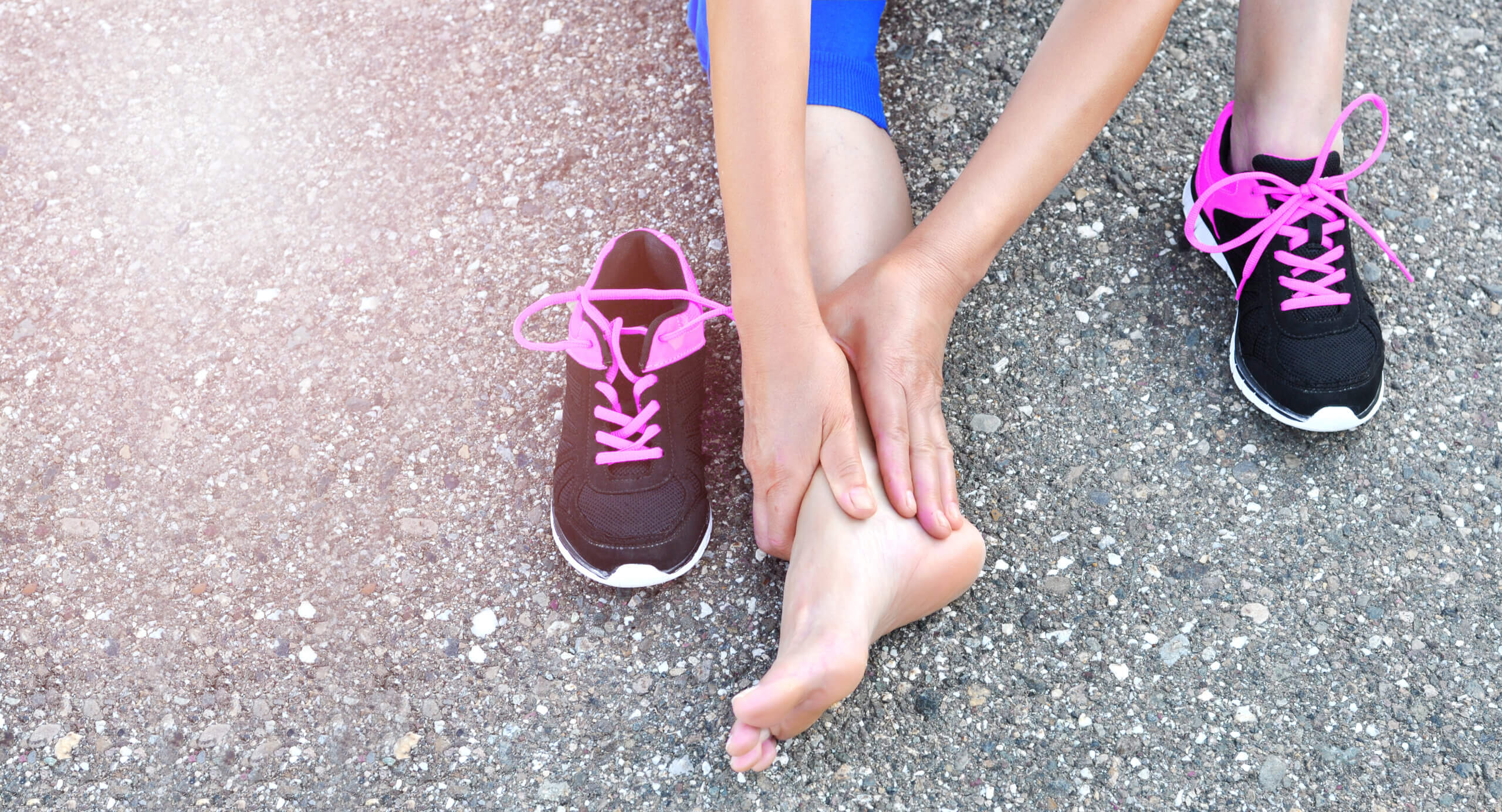
    A torn tendon in your foot can be very painful, especially while you’re moving it or putting weight on it. Tendinitis in the feet typically begins with pain and inflammation as a result of overuse. You may develop a larger tear over time, and it’s also possible to tear a foot tendon during a traumatic injury. 

    The human foot is incredibly complex. It contains 26 bones, and 29 muscles that are responsible for movement in the foot. The connective tissue that attaches muscles to bones are your tendons. People usually feel pain from tendinitis in the top or outer edge of their feet. It may not seem like these muscles, bones and tendons move around a lot, but they play important roles in walking and maintaining balance.

    This article lists eight common symptoms people experience when they have a torn tendon in their foot. 

    How can I tell if I have a torn tendon in my foot?

    The only way to find out for sure if a tendon in your foot is torn is to have an imaging test done, like an ultrasound or an MRI. A physical therapist or a podiatrist can do some assessments to determine what parts of your foot are injured and how they’re affecting your movement. This helps them create your personalized treatment plan.

    If you’ve torn a tendon in your foot, you’ll likely feel pain in your foot or ankle. It might feel like the pain is radiating up your lower leg or down into your foot. Your pain may be worse during or after activities that put strain on your feet.

    If you’re experiencing any of these symptoms, you should seek treatment to find out if you have a torn tendon in your foot:

    1. Pain in the foot or ankle
    2. Snapping or popping sounds
    3. Swelling, redness or warmth 
    4. Weakness in the foot or ankle
    5. Stiffness in the tendon after periods of inactivity
    6. Bruising
    7. Reduced range of motion
    8. Thickening of the tendon

    Find relief for a torn foot tendon at Advent Physical Therapy

    Several different physical therapy treatments can help with a torn foot tendon. At Advent PT, our therapists know that each person’s anatomy and their condition are unique. That’s why we begin with a thorough assessment and listen to gain an understanding of your symptoms. We use a variety of manual techniques and other evidence-based treatments to relieve different types of foot pain.

    If you’ve been having foot pain symptoms for a week or more, it’s time to find out what’s happening and how you can start feeling better. Call us or request an appointment today to meet with one of our licensed physical therapists.


  • If I have pain in my leg and foot, should I be concerned?

    If I have pain in my leg and foot, should I be concerned?

    Your legs are the foundation of your mobility, supporting your entire body weight and allowing you to walk, run and do daily activities. They are complex structures that are made up of:

    • Bones
    • Tendons
    • Ligaments
    • Muscles
    • Nerves

    These components all work together to provide you with:

    Pain in the legs, knees or feet is a common complaint and can affect people of all ages and abilities. These issues can range from minor discomfort to debilitating conditions, having a significant impact on a person’s quality of life. Several factors can contribute to this prevalence, including:

    Understanding the common causes and symptoms of leg, knee and foot pain is crucial for effective treatment and prevention. There are effective treatment options, including physical therapy, that can help you address the underlying issue causing your pain.

    Possible causes of leg, knee and foot pain

    Leg pain can sometimes radiate to or cause discomfort in the knee or foot too. Here are some types of leg pain and their potential to affect the knee or foot:

    • Osteoarthritis — Osteoarthritis is a degenerative joint disease that occurs due to the breakdown of cartilage. It can cause pain, stiffness and a reduced range of motion in the affected joints, like the knees, hips, ankles and feet. 
    • Rheumatoid arthritis — Rheumatoid arthritis is an autoimmune disease that causes inflammation in the joints. It can affect multiple joints, like the knees, hips, ankles and feet, causing:
    • Pain
    • Stiffness
    • Swelling
    • Joint deformity
    • Gout — Gout is a type of arthritis caused by a buildup of uric acid crystals in the joints. It mainly affects the big toe but can affect other joints, including the knees and ankles. It can cause:
    • Severe pain
    • Inflammation
    • Redness
    • Peripheral arterial disease (PAD) — PAD is a circulatory condition that happens when the arteries that carry blood to the legs become narrowed or blocked, reducing the blood flow. Symptoms can include:
    • Leg pain
    • Cramping 
    • Numbness
    • Weakness
    • Cold feet
    • Deep vein thrombosis (DVT) — DVT is a serious condition that involves a blood clot in a deep vein, often in the leg. It requires immediate medical attention due to the complications it can cause if the clot dislodges and travels to the lungs. DVT causes the following symptoms:
    • Swelling
    • Pain
    • Redness
    • Warmth in the affected leg
    • Diabetic neuropathy — Diabetic neuropathy is nerve damage that is caused by diabetes. It can lead to:
    • Pain
    • Numbness
    • Weakness in the legs and feet
    • Meniscus tear — The meniscus is a C-shaped disc of cartilage that helps cushion the knee joint. A meniscus tear can cause:
    • Pain
    • Swelling
    • Locking
    • Popping
    • Instability
    • Patellofemoral pain syndrome — Also known as runner’s knee, this condition involves pain around the kneecap, usually caused by overuse, imbalance in the muscles surrounding the knee, or misalignment. 
    • Bursitis — Bursitis is a condition in which the bursae, small, fluid-filled sacs that help prevent friction in joints like the hip, knee or foot, become inflamed. Inflammation of the bursae can be caused by injury and overuse. 
    • Plantar fasciitis — Plantar fasciitis is caused by inflammation of the plantar fascia, the thick tissue on the bottom of the feet connecting the heel bone to the toes. It can cause heel pain that can also radiate into the ankle and potentially affect the knee. 
    • Achilles tendinitis — Inflammation of the Achilles tendon, the tissue connecting the calf muscle to the heel bone, is known as Achilles tendinitis. It can affect the ankle and potentially the knee. Symptoms include:
    • Pain
    • Stiffness
    • Swelling in the back of the ankle
    • Sciatica — Sciatica is caused by the irritation of the sciatic nerve, which runs from your lower back down through your legs. This nerve pain can radiate from the lower back through the leg, affecting the knee and foot. 

    These are some examples of conditions that can cause pain in and around your leg, knee and feet. If you’re experiencing persistent or severe symptoms, it’s important to consult a health care professional for a proper diagnosis and treatment plan. 

    When to be concerned about leg, foot and knee pain

    While some leg pain that can also affect your knees or feet can be managed at home, there are times when seeking medical attention is crucial. You should see a doctor immediately if you have:

    • Sudden and severe leg pain
    • An inability to bear weight
    • Open wounds or visible bone or tendon
    • Signs of infection, such as:
    • Redness
    • Warmth
    • Swelling
    • Pus around the affected area

    If you’re not sure whether you should seek medical attention, it’s always better to err on the side of caution and get checked out. Early diagnosis and treatment can help prevent complications and promote faster recovery. 

    Treatment options for leg, knee and foot pain

    The treatment for leg, knee and foot pain depends on the underlying issue. Some common approaches to help manage pain include:

    • PRICE method — The PRICE method is a general guideline for initial care of acute injuries. PRICE stands for:
    • Protection — Avoid activities that worsen the pain.
    • Rest — Give the injured area time to heal.
    • Ice — Apply ice packs to reduce swelling and numb pain.
    • Compression — Use a compression bandage to help support the injured area.
    • Elevation — Raise the injured limb to help reduce swelling. 
    • Medications — Over-the-counter pain relievers like ibuprofen or acetaminophen can help alleviate pain and inflammation. Depending on the underlying issue and severity of your symptoms, your doctor may prescribe stronger pain relievers or muscle relaxants.
    • Physical therapy — A physical therapist can design a personalized treatment plan tailored to your specific condition and recovery goals. 
    • Orthotics and braces — These can include custom-made inserts or supportive devices that can help correct foot alignment and reduce pressure on your joints.
    • Corticosteroid injections — In some cases, your health care provider may recommend corticosteroid injections. These are steroid injections that can help reduce inflammation and provide temporary relief for conditions such as arthritis or bursitis. 
    • Surgery — In severe cases, your health care provider may recommend surgery. Surgeries can range from arthroscopy to help diagnose and treat joint problems to joint replacements if the damage is severe. 

    It’s important to consult with a health care professional for a proper diagnosis and treatment plan.

    Physical therapy techniques for leg, knee and foot pain

    Physical therapy is a beneficial treatment approach for many conditions that can be behind your leg, knee and foot pain. Your physical therapist will ask you about symptoms you’re experiencing and perform a thorough physical evaluation, then create a personalized treatment plan tailored based on your specific condition. Common techniques used in a physical therapy treatment plan for lower limb pain include:

    • Therapeutic exercises — To help restore strength and mobility, your physical therapist may prescribe specific exercises tailored to your condition. These exercises may include:
    • Range-of-motion exercises
    • Strengthening exercises
    • Stretching exercises
    • Balance exercises
    • Aerobic exercises
    • Proprioceptive exercises
    • Manual therapy — Manual therapy is an umbrella term for many hands-on techniques your physical therapist may incorporate to address underlying causes of pain and stiffness. These hands-on techniques include:
    • Soft tissue mobilization — Soft tissue mobilization involves your physical therapist using their hands to knead and manipulate soft tissue to help reduce pain and improve flexibility.
    • Joint mobilization — Your physical therapist may apply gentle but firm movements to your affected joints to help improve your range of motion and reduce stiffness. 
    • Myofascial release — Myofascial release focuses on releasing tension in the fascia, a connective tissue that surrounds the muscles. This technique can help improve flexibility, reduce pain and restore normal movement patterns. 
    • Postural education — Postural education can help you understand and fix bad posture habits that can cause strain on your joints. Improving posture can alleviate strain and reduce pain. Your physical therapist can teach you how to use good posture to promote proper body alignment and movement patterns.
    • Electrical stimulation — Your physical therapist may use electrical stimulation to help reduce your pain, muscle spasms and inflammation. Electrodes are placed on your skin around the affected area and deliver low-level electrical currents to help stimulate muscles and nerves. 
    • Aquatic therapy — Aquatic therapy provides a low-impact environment, reducing stress on your joints while allowing for effective movement during exercises. It can be beneficial for people with arthritis or joint pain.
    • Dry needling — Dry needling is a technique that should be used by a certified practitioner only. A certified physical therapist will manually insert thin, sterile needles into trigger points, troublesome spots in the muscles. This technique can help release muscle tension, reduce pain and improve muscle function by stimulating muscle relaxation. 
    • Instrument-assisted soft tissue mobilization (IASTM) — Your physical therapist may use specialized tools to break down scar tissue and adhesions. IASTM can help improve blood flow, reduce pain and restore normal tissue function.

    Remember, these techniques are just a starting point. Your physical therapist will tailor your treatment plan to your specific needs and goals. 

    Peak Performance can help you reclaim your mobility

    At Peak Performance Sports and Physical Therapy, we understand the frustration and concerns you may have from the impact that your leg, knee and foot pain is having on your daily life. Our licensed physical therapists offer personalized treatment plans designed to help address your specific needs. We believe in a comprehensive approach that combines expert care, advanced techniques and a focus on patient education. Our goal is to help you regain mobility, reduce pain and improve your overall quality of life. 
    Call us or request an appointment today to take the first step toward reclaiming your life from your lower limb pain.

  • 10 causes of pain on top of the foot near the ankle

    10 causes of pain on top of the foot near the ankle

    Your ankles are the amazing hinge joints that connect your legs to your feet. They allow you to walk, run, jump and navigate all kinds of terrain. Sometimes, your ankles can experience pain. If you’re feeling discomfort on the top of your foot near your ankle, you’re not alone. Foot pain is common and affects approximately 30% of people at any time. There are a variety of culprits that can be behind why this may be happening. The good news is that there are a wide range of PT treatments that can help you find relief. 

    What causes pain on top of the foot near the ankle?

    Some top causes that may be behind your pain include:

    • Extensor tendinitis — The extensor tendons are kind of like tiny little rubber bands that run along the top of your foot. Their job is to help lift your foot upward. If you’ve been extremely active or wearing unsupportive shoes, you may have overworked these tendons. Overuse and improper footwear can cause inflammation and pain called extensor tendinitis. 
    • Stress fracture — Tiny cracks in the bones of your feet are called stress fractures. These can also cause pain on the top of your foot. These hairline fractures can develop because of repetitive stress, like running on hard surfaces or increasing your mileage too quickly.
    • Sinus tarsi syndrome — Pain and inflammation in a tiny joint on the outer side of your ankle is called sinus tarsi syndrome. It can be due to flat feet or repetitive stress. 
    • Peroneal nerve dysfunction — Sometimes the pain you’re feeling isn’t coming from your bones or muscles, but from your nerves. The peroneal nerve runs along the outside of your ankle. It is responsible for your foot and toes feeling sensations. If this nerve gets irritated or compressed, it can cause pain on the top of your foot. 
    • Bone spurs — As you age, wear and tear can cause bony bumps called bone spurs to form. These can irritate the tendons and ligaments on the top of your foot, causing pain and tenderness. 
    • Anterior ankle impingement — Anterior ankle impingement can happen when the bones of your ankle joint rub against each other abnormally. This friction can irritate the surrounding tissue and cause pain on the top of your foot. 
    • Bursitis — Bursae are the tiny fluid-filled sacs that help cushion your joints. They can sometimes become inflamed and cause a condition called bursitis to develop. When you have bursitis in the joint near your ankle, it can cause pain on the top of your foot. 
    • Arthritis — Osteoarthritis is a degenerative condition that is caused by the breakdown of cartilage cushioning your joints. In the ankle, this breakdown can cause pain, stiffness, swelling and a bony bumpiness on the top of your foot near the ankle. Rheumatoid arthritis is a type of arthritis that is an autoimmune disease. Rheumatoid arthritis can cause similar symptoms to osteoarthritis. 
    • Sprains and strains — These are injuries to the soft tissue in your foot and ankle. A sprain is a stretch or tear of a ligament, the tough bands that connect bones at a joint. A sprain is a stretch or tear of a muscle or tendon, the tissue that connects muscle to bone. Sprains and strains can happen from a sudden twist, fall or overuse. Both can cause pain, swelling, tenderness and bruising on the top of your foot near your ankle.
    • Flat feet — The arches in your feet help distribute your weight evenly. Flat feet, where the arch is collapsed, can put extra stress on the tendons and joints on the top of your feet. 

    Symptoms to watch for

    Pain in the top of your foot and near your ankle when walking or doing other activities isn’t always the only clue that something’s going on. Other symptoms to keep an eye on:

    • Swelling or redness on the top of your foot. 
    • Difficulty walking or putting weight on your foot.
    • Aching or throbbing pain. 
    • Tenderness to the touch. 
    • Numbness or tingling in your toes. 

    If you’re experiencing any of these symptoms along with the pain, it’s a good idea to see your doctor to get a proper diagnosis and treatment plan. 

    Treatment options for pain on the top of your foot and near your ankle

    There are a number of ways you can treat the pain you’re experiencing in your foot and ankle. One method may work for some, while others may need to experiment and use a combination of approaches. Treatment options can include:

    • Physical therapy.
    • Over-the-counter pain relievers.
    • Heat and cold therapy.
    • Orthopedic supports like shoe inserts, braces or walking boots.
    • Proper footwear.
    • Corticosteroid injections.
    • Surgery, in severe cases. 

    Physical therapy techniques for pain on the top of your foot

    Physical therapy can be a beneficial treatment for a variety of conditions, including those that can cause pain on the top of your foot near your ankle. Some techniques your physical therapist may use include:

    • Manual therapy — Manual therapy is an umbrella term for a variety of hands-on approaches that can help improve your foot and ankle’s mobility and ease pain. Your physical therapist may use joint mobilization, soft tissue mobilization or a combination of other manual therapy techniques. For joint mobilization, your physical therapist will use gentle gliding or stretching movement on the joints in your foot and ankle. These can help improve your range of motion and ease stiffness and pain. Soft tissue mobilization involves your physical therapist applying gentle pressure and kneading motions to the muscles, tendons and ligaments in your foot. This can help improve tissue flexibility, reduce pain and stiffness, and promote healing by encouraging better blood flow to the area. 
    • Aquatic therapy — Aquatic therapy enables you to do exercises in a more weightless environment. The water supports your body weight, which can help reduce stress on your joints while you move, making it easier and less painful to strengthen the muscles that support your ankle. Aquatic therapy can also help improve your ankle’s range of motion. Improved range of motion can help you bend and flex your foot more easily. 
    • Dry needling — Dry needling is a technique that involves the insertion of thin, sterile needles into trigger points in your foot and ankle joint. These trigger points are tight muscle knots that can contribute to pain. The needles can help deactivate trigger points and cause a brief muscle twitch. The muscle twitch can help relax the knot and release pain. Dry needling can also improve blood flow to the area and promote healing. 
    • Instrument-assisted soft tissue mobilization (IASTM) — IASTM uses specialized tools that your physical therapist can use to apply gentle pressure to glide across the soft tissue in your foot. This can help break down scar tissue that can form after an injury, boost circulation by increasing blood flow and reduce pain by promoting healing in the tissue. 
    • Therapeutic exercises — Your physical therapist may create a personalized therapeutic exercise routine designed around your specific needs and goals. These exercises can target the muscles that need strengthening, improve your balance and increase the range of motion in your ankle joint. Stronger muscles can better support your ankle, and better balance can help prevent future injuries. These exercises may involve using resistance bands, wobble boards or simply practicing standing on one leg.
    • Electrical stimulation — Electrical stimulation uses low-level electrical currents delivered through electrodes that are placed on your skin on and around the affected area. These currents can stimulate muscle contractions, strengthening weakened muscles in your foot and lower leg. Electrical stimulation can also help boost blood flow to the area, which can promote healing and reduce pain by blocking pain signals from reaching your brain. 

    It’s important to listen to your body. If you are experiencing pain on the top of your foot, don’t ignore it. Early diagnosis and treatment can help get you back to enjoying all your favorite activities. A physical therapist can help you figure out the cause of your pain and recommend the best course of treatment to get you back on your feet. Working with a physical therapist can provide you with a valuable partner in your recovery, creating a personalized plan to address your pain.

    Don’t let pain on the top of your foot near your ankle hold you back. Border Therapy Services can help get you back on your feet

    At Border Therapy Services, our experienced team of physical therapists understands the complexities of foot pain and can design a personalized treatment plan to help target the root cause of your discomfort. Our goal is to address the underlying issue of your pain, not just mask the symptoms. We can help you take the first steps to a brighter future and doing the activities you love without the hindrance of foot and ankle pain. 

    Call us or request an appointment today for help with your foot and ankle pain.

  • Pain in the bottom of your foot: 7 potential sources

    Pain in the bottom of your foot: 7 potential sources

    Pain anywhere on your body can interfere with your everyday life. It’s especially true for an ache that you feel on the bottom of your foot, as your feet have to handle quite a lot of stress on a day-to-day basis. If you’re experiencing pain in the bottom of your foot, it can cause you to wince in discomfort every time you stand or walk.

    Since pain on the soles of your feet can be impossible to ignore, it’s important to address it as soon as possible to reduce the risk of it worsening. By understanding the source of the pain, you’ll be able to determine the most effective treatment options to help you get back on your feet (literally) with ease and comfort.

    We’ll discuss possible causes for pain in the bottom of your foot as well as how to relieve it with a variety of treatments, including physical therapy.

    7 possible causes of pain in the bottom of your foot

    Pain in the bottom of your foot usually means that there’s an issue that’s presenting itself in the arch or ball of the foot. While there are three arches in the foot, “the arch” usually refers to the most prominent one, called the medial longitudinal arch, which stretches along the inside of your foot from the back to the front. The ball is the padded area between the arch and the toes.

    When you feel pain in the bottom of your feet, it often goes hand in hand with reduced mobility. If it hurts to be on your feet, then it’s only natural to want to be off them as often as possible, which interferes with your everyday routine. Reduced mobility is just one of the symptoms that are commonly experienced alongside pain in the bottom of your foot. There are many potential sources of the pain that can lead to other symptoms, such as swelling, physical abnormalities or difficulty bearing your weight.

    Here are seven potential sources of pain in the bottom of your foot:

    • Plantar fasciitis — There’s a band of tissue stretching along the bottom of your foot connecting your toes to your heel bone, known as the plantar fascia. It can become inflamed from a variety of causes, such as overuse and types of walking surfaces. The main symptom of plantar fasciitis is stabbing pain in the heel that’s often worse in the morning. It may also cause swelling and sole pain.
    • Flat feet — Pes planus, or flat feet, refers to having little to no arch. The entire sole touches the ground with every step, straining the muscles and ligaments while having a difficult time evenly distributing your weight. People with flat feet may feel pain in the arch or heel, especially during activity. It can also impact your gait. Many people have flat feet due to genetics, while others may lose their arch due to aging, injury or obesity.
    • Improper footwear — Sometimes the cause of pain in the bottom of your foot isn’t due to a medical condition or foot structure, but the type of footwear worn throughout a busy day. Supportive, properly fitting footwear is essential for everyday activities as well as exercising or playing sports. It’s possible that wearing shoes that are too tight can cause pain in the bottom of your foot, particularly in the ball and heel. The pain may occur alongside swelling.
    • Morton’s neuroma — Pain in the bottom of your foot may be due to the thickening of tissue around a nerve leading to the toes. Morton’s neuroma, also known as interdigital neuroma, most commonly occurs between the third and fourth toes. Not only does this condition cause sharp pain in the ball of your foot, but it has been described as feeling like you’re stepping on a pebble or marble.
    • Bunions — Sometimes you can physically see the source of your foot pain. It’s possible to develop a bony growth on the joint of the big toe when the bones move out of place. The big toe can get pulled in toward the smaller toes, causing the joint at the base of the big toe to stick out, resulting in a bulge known as a bunion. It can cause pain near the bunion as well as at the bottom of the foot. Bunions are often the result of narrow shoes or your foot mechanics as you walk.
    • Bursitis — There are fluid-filled sacs that work as cushions for your joints, known as bursae. While your body may develop bursae in your feet over time due to injuries, they only have one natural bursa located between the heel bone and the Achilles tendon. The bursa can become inflamed, resulting in bursitis and causing pain in the bottom of the foot. The pain can occur alongside other symptoms, such as redness and swelling. 
    • Metatarsalgia — When the ball of your foot becomes inflamed, it’s known as metatarsalgia. It stems from the metatarsal bones and can be the result of many different causes, including ill-fitting shoes and participating in activities that require a lot of jumping or running. It means that there’s been too much pressure applied to one spot.

    How to relieve pain in the bottom of your foot

    Pain in any part of your foot can make it difficult to carry out your daily activities, from walking up the stairs in your home to standing for a presentation at work. It’s important to be proactive about the issue by determining the likely source of the pain and exploring effective treatment options as soon as possible.

    Talk to your doctor about your symptoms, though they may refer you to a podiatrist. After the source of your pain has been diagnosed, you can collaborate with your doctors as well as a physical therapist to figure out what treatment options will work best for you.

    There are some treatments for foot pain that you can do at home, while others will require the assistance of a health care professional:

    • Footwear support — For many people, it’s impossible to stay off your feet for long periods of time, even if they’re hurting. That’s why you should make sure your feet are properly supported when you’re standing, walking or exercising. Your podiatrist or physical therapist can make recommendations for the best footwear based on your lifestyle, as well as shoe insoles or orthotics for increased comfort and support.
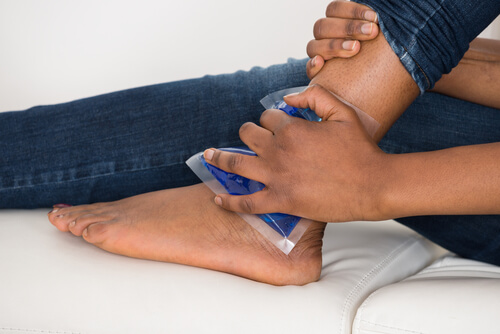
    • Rest and ice — It’s important to prioritize resting your foot whenever possible to reduce the pressure on the affected area and decrease the risk of the symptoms worsening. Resting your foot often goes hand in hand with icing your foot for 20-minute intervals. Ice or cold packs can reduce pain and swelling by decreasing the blood circulation to the area.
    • Physical therapy — One of the best courses of action for persistent or worsening foot pain is to seek a physical therapist. They will design a personalized treatment plan for you to alleviate your symptoms and improve the overall quality of the affected area. For pain in the bottom of your foot, physical therapy plans often include treatments such as manual therapy, therapeutic exercises and electrical stimulation.

    At Continuum Wellness, we understand that pain in the bottom of your foot can interfere with your overall quality of life. From targeted exercises to foot support recommendations, we’ll help you get back to your everyday routines with comfort.

    Call us or request an appointment today if you’re experiencing pain in the bottom of your foot. 

  • How much time does it take to recover from a broken ankle?

    How much time does it take to recover from a broken ankle?

    Your ankles are essential to your mobility, stability and balance. Their health and function is vital for your overall well-being. They support your body’s weight, help you walk and run, and also absorb shock during physical activities. A broken ankle can have a significant impact on your life, and recovery varies from person to person. Recovery can take a few weeks to several months for the bones to heal, depending on severity and other factors. Regaining complete ankle function could take up to a couple of years for a severe fracture requiring extensive surgery. Physical therapy can help you restore your strength, flexibility, range of motion and function in your broken ankle. Following your physical therapist’s recommendations based on your unique situation can help contribute to a successful recovery and minimize long-term consequences.

    [maxbutton name=”Call us”] [maxbutton name=”Request an appointment”]

    What does the recovery process look like for a broken ankle that doesn’t need surgery?

    Not all broken ankles need surgery to help them heal correctly. A broken ankle that doesn’t need surgery’s recovery timeline may look like:

    • Immediate post-injury — In the initial days after your injury, it’s likely that your ankle will be immobilized with a splint, cast or walking boot. This can help promote healing and reduce pain. It’s essential to keep weight off your ankle and use crutches or a walker for mobility. Keeping weight off can help prevent further damage.
    • Two to six weeks post-injury — This period is all about focusing on healing. You’ll want to focus on ways to help reduce swelling, manage your pain and give yourself time to heal. Go to follow-up appointments to monitor your progress. Your treatments may need to be adjusted depending on how you’re healing. You may also begin physical therapy treatments. These may be gentle range-of-motion exercises and non-weight-bearing activities. This is intended to help prevent stiffness and muscle atrophy.
    • Six to 12 weeks post-injury — As your healing progresses, you may have weight-bearing activities and walking gradually introduced. This will depend on your healing progress. Physical therapy will shift focus to strengthening exercises. These will focus on your ankle, lower leg and the surrounding muscles to help improve your stability and mobility. Functional activities and balance training may also be incorporated. These will help you regain normal walking patterns and ankle proprioception.
    • Three to six months post-injury — By this time, you should be able to see a significant amount of improvement in your ankle function and mobility. Physical therapy may continue to address any lingering weakness, range-of-motion limitations or proprioception issues. You may be able to gradually return to normal activities, sports and weight-bearing activities, depending on your health care provider’s guidance based on your progress.
    • Six to 12 months post-injury — Full recovery from a nonsurgical broken ankle can take up to six to 12 months. However, it can vary from person to person. It’s essential to follow all recommended rehabilitation exercises, activity modifications and weight-bearing restrictions as recommended by your health care provider. This can help ensure your optimal healing and reduce your risk for re-injuring your ankle. 

    What does the recovery process look like for a broken ankle with plate-and-screw surgery?

    More complex fractures can require surgical interventions like plates to help the ankle heal correctly. The recovery timeline for a broken ankle with plate-and-screw surgery can vary due to several factors, including how severe the fracture was, the type of surgery you had and your individual healing factors. A general outline of your recovery may look like this:

    • Immediate post-surgery — The first days after surgery, you will probably need to keep weight off the affected ankle by using crutches or a walker. Pain management will be your priority. Your health care provider may prescribe pain medications as needed or recommend over-the-counter pain medications. You will want to elevate your ankle and may be directed to apply ice to reduce inflammation. 
    • Two to six weeks post-surgery — Following your surgeon’s guidelines, you may be allowed to gradually start bearing weight on your ankle and wear a walking boot or brace. You may also start physical therapy. It may focus on gentle range-of-motion exercises, strengthening exercises for the surrounding muscles and balance training. 
    • Six to 12 weeks post-surgery — As your healing progresses, you may gradually start doing weight-bearing activities and walking without assistive devices. Physical therapy will continue to focus on improving your strength, flexibility and mobility in your ankle and lower leg. You may also incorporate more functional activities and exercises to help you regain your normal gait patterns. 
    • Three to six months post-surgery — Around this time, you may see a significant improvement in your ankle function and mobility. Physical therapy will help address any lingering issues like weakness or range-of-motion limitations. You may be allowed to start gradually returning to normal activities and sports. 
    • Six to 12 months post-surgery — Full recovery from ankle surgery with plate and screws can typically happen within six to 12 months. However, it can vary from person to person. It’s essential to follow your rehabilitation exercises and activity restrictions to support your best healing and help prevent re-injury.

    Broken ankle recovery tips

    Recovering from a broken ankle can be challenging. Some tips that can help boost your healing and improve your overall healing experience can include:

    • Follow your health care provider’s instructions — Follow your health care provider’s recommendations about bearing weight on your ankle, using assistive devices, or wearing prescribed splints, casts or boots.
    • Elevate and ice — Elevate your broken ankle above your heart level as often as you can. This can help reduce swelling and promote circulation. Using an ice pack several times a day can also help with swelling and alleviate pain.
    • Manage pain — Taking pain medication can help manage your discomfort. Over-the-counter pain relievers can be helpful, or your doctor may prescribe stronger pain relievers for more severe pain. It’s important to discuss medications with your health care provider before taking anything new. 
    • Attend physical therapy — Going to and participating in your physical therapy can help you strengthen muscles, improve your balance, regain your range of motion and improve your overall function in your ankle and lower leg. 
    • Eat a balanced diet — Eating a nutritious diet full of vitamins, minerals and protein can help support bone healing and tissue repair. Staying hydrated can also help your recovery.
    • Use supportive footwear — If recommended, wear supportive shoes or orthotic inserts to help provide stability and reduce stress on your ankle.

    Following these tips and guidance from your health care provider can help you on your recovery journey. They will provide guidance and recommendations based on your specific condition and needs.

    Physical therapy for broken ankle recovery

    Physical therapy can be beneficial in your recovery from a broken ankle whether you need surgery or not. Physical therapy treatments may include:

    • Manual therapy — Manual therapy techniques like soft tissue mobilization and joint mobilization can help improve your range of motion, reduce pain and swelling, and boost your overall healing. For soft tissue mobilization, your physical therapist will apply gentle pressure and manipulate the soft tissue around your ankle. They may also use gentle joint mobilization to reduce stiffness and restore normal joint motion.
    • Myofascial release — Myofascial release is a manual therapy technique that targets the fascia, the connective tissue that surrounds your muscles and organs. It can help release tension, improve tissue flexibility and improve your overall mobility in your ankle and lower leg. 
    • Electrical stimulation — Electrical stimulation uses low-level electrical currents passing through your skin by attached electrodes. These electrical currents can help stimulate nerves and release endorphins to help trigger your body’s natural pain-relieving chemicals. It can also help activate and strengthen muscles that may have become weakened due to disuse or immobilization. 

    Your physical therapy treatment plan will be tailored to your individual needs, goals and progress. The primary objective is to help reduce your pain, improve your range of motion, restore your strength and function, boost your balance and stability, and help you safely return to your daily activities. Your physical therapist will develop your customized plan to help you achieve your optimal outcomes after your broken ankle and will adjust plans as needed. 

    Franklin Rehab can help you overcome the challenges of a broken ankle 

    At Franklin Rehabilitation, we pride ourselves on providing compassionate and comprehensive care for our patients. Whether you’re recovering from a broken ankle with or without surgery, our expert team is dedicated to creating and guiding you through a personalized rehabilitation program. We will focus on your specific needs and goals to help you regain strength, mobility and function in your ankle. We strive to help you have a successful recovery and smooth return to your daily activities. You can trust that we are here to support you every step of the way toward healing and improved ankle health. 

    Call us or request an appointment today for your broken ankle recovery assistance.

    [maxbutton name=”Call us”] [maxbutton name=”Request an appointment”]


  • 4 issues that can cause stabbing pain in the side of your foot

    4 issues that can cause stabbing pain in the side of your foot

    Has the pain in your feet been bothering you lately? You’d be one of 87% of people who report experiencing foot pain at some point in their lives. Foot pain is a fairly common type of pain to experience, but it can be extremely disruptive to everyday life. If your foot pain has developed into a sharp, stabbing type of pain that occurs in the side of your foot, you’re likely looking for information on the conditions that might be behind your pain. You can learn more about possible causes and how physical therapy can be helpful by reading here.

    What are some of the most likely causes of the stabbing pain in the side of your foot?

    There are several possible causes of stabbing pain in the side of the foot, including:

    • Plantar fasciitis — Plantar fasciitis is a condition that involves the inflammation of the plantar fascia band that runs from the base of the heel to the toes. This band can become inflamed as a result of poor arch support and small tears that occur over time from frequent stress. A person with plantar fasciitis is likely to experience sharp, stabbing pains in the side of their foot when they first get out of bed in the morning. This type of pain is also likely to happen after long periods of inactivity or extensive periods of excessive activity. It’s common in older adults, people who wear low-support shoes, those with jobs that require frequent physical activity, and people who are overweight.
    • Foot sprain — Sprains occur when the ligaments that connect to the bone are stretched or torn. Sprains to the foot usually occur when someone twists their ankle or lands on it abnormally during physical activity. Foot sprains usually occur in athletes or people who regularly perform physical activity, like runners. Foot sprains most often cause stabbing pain in the side of the foot, swelling around the foot or ankle, and pain when walking. 
    • Damage to the nerves in the foot — Nerves in the foot and ankle can become compressed for a number of reasons including excessive tissue growth, bone spurs, fallen arches and more. Damage or compression to the nerves can cause pain that feels like burning or stabbing, and it can also cause numbness and tingling.
    • Trauma or injury — Injuries to the foot can also cause sharp, stabbing pain in the side of the foot to occur. Fractures are one common type of injury that can cause a person to have this type of pain when placing pressure on the foot. It may be difficult to walk or stand without feeling some degree of pain or discomfort until the bone has healed.

    What can a physical therapist do for stabbing pain in the side of the foot?

    Physical therapists can be helpful for people who are experiencing stabbing pain that’s happening in the side of their feet. The exact course of treatment that your physical therapist will lead you through depends on the cause of your pain, but you can generally expect:

    • Strength-building exercises — One of the first ways that a physical therapist can help your pain is by guiding you through strength-building exercises. Building muscle strength in the areas around the injury can better support your foot and alleviate some of the stress that your foot is being put under. It can increase your body’s capacity to carry heavy loads and to handle repetitive movements that would otherwise cause you discomfort.
    • Gait and balance training — Gait and balance stabilization is important for preventing injuries that develop from compensating for an imbalance when walking. A physical therapist can help you correct any abnormalities in the way you walk so that you can carry yourself more comfortably and with more stability.

    Border Therapy Services can improve your foot pain

    Border Therapy Services wants to help you deal with any foot pain that may be negatively impacting your quality of life. We’ll also help you with preventing future pain from occurring again. If you feel pain in your feet that is making it hard to do daily activities, you should seek the help of one of our physical therapists. We provide expert care to help you find relief. At Border TS, we can help treat and strengthen your feet so that you don’t suffer from pain any more than you already have.

    Contact our team today for more information or to schedule an initial appointment with one of our knowledgeable specialists.

    [maxbutton id=”2″ ]

  • What is causing your ankle pain after walking?

    What is causing your ankle pain after walking?

    Foot and ankle pain after walking can be a frustrating experience. If you are someone who spends a lot of time on their feet, being able to walk without ankle pain is important. You do not have to be a seasoned athlete to have persistent ankle pain seriously impact your life. This kind of pain can make it difficult to complete daily activities, especially if your job requires you to move around. When it comes to addressing ankle pain after walking, the first step is identifying the cause. A physical therapist can play an essential role in identifying your condition and helping facilitate treatment. Though the conditions all affect the same region, different ankle pain causes may need different treatment strategies. This makes an accurate diagnosis of your condition essential for successful treatment and lasting relief.

    Top causes of ankle pain after walking

    • Ankle sprain — Spraining your ankle typically causes immediate acute pain in the injured region. While a minor ankle sprain may be able to heal on its own, a more severe injury should be treated to help ensure a proper recovery. Walking after spraining your ankle can cause persistent pain. An ankle sprain occurs when the ligaments supporting the ankle are stretched or torn. In order for these ligaments to fully heal, allowing time for your ankle to rest is vital. Your physical therapist can guide you through at-home treatment strategies and provide clinical care to promote faster healing.

    • Achilles tendinitis — Tendinitis is the medical term for tendon inflammation. Your tendons are the dense cords of tissue that function to connect your bones and muscles. When these cords become inflamed, they can cause nagging pain in localized areas. Achilles tendinitis refers to tendinitis in the Achilles tendon. This tendon runs from your calf all the way down to your heel bone. Inflammation in this tendon can cause ankle pain during and after walking and running. Tendinitis is often caused by overuse, meaning it is important to reduce your activity levels with this condition. A physical therapist can help alleviate your pain by reducing swelling and inflammation in your tendons.

    • Stress fractures — Stress fractures are small bone cracks. These are typically not as serious as complete bone breaks. However, stress fractures can still cause persistent ankle pain after walking. Stress fractures are most often caused by repeated stress on the feet and ankles. High-impact activities like sports can be a central factor in the development of these fractures. Rest and immobilization are essential for treating stress fractures. Your physical therapist can guide you through management solutions and recommend assistive devices if necessary.

    • Plantar fasciitis — The plantar fascia is a thick band of tissue along the bottom of the foot. When this tissue is affected by microtears and inflammation, it can result in a condition called plantar fasciitis. Plantar fasciitis pain is primarily localized around the bottom of the foot. However, the condition can also cause referred pain in the ankle and lower leg. If you feel foot and ankle pain after walking, you may have plantar fasciitis. Targeted exercises and other anti-inflammatory techniques are key to effective physical therapy treatment for plantar fasciitis.

    • Neuropathy — Peripheral neuropathy refers to nerve damage outside of the central nervous system. When you experience nerve damage or nerve compression around the ankle, it can cause nerve pain in the ankle after walking. The ankle pain may be accompanied by numbness and a tingling sensation. Nerve pain can come with a variety of sensations such as a sharp, piercing feeling or a burning sensation. Neuropathy tends to have an underlying cause, and physical therapy can work to help address this underlying cause. For example, your physical therapist may be able to alleviate tissue swelling that resulted in nerve compression. This kind of holistic treatment can lead to long-term pain relief.

    • Bursitis — Bursitis is the inflammation of small fluid-filled sacs called bursae. These sacs function to cushion joints in many different parts of the body. When a joint is overused or experiences too much stress, it can irritate the bursae. Ankle bursitis occurs when the ankle bursae become inflamed through overuse or injury. Movement can exacerbate your inflammation, leading to ankle pain after walking. Your physical therapist can help address this condition with a range of specialized techniques. Focused ankle exercises and manual therapy techniques can be instrumental in treating your bursitis.

    Advent Physical Therapy can help alleviate your ankle pain after walking

    Need help addressing your ankle pain after walking? Advent Physical Therapy can offer expert guidance and personalized treatment. Our dedicated team is ready to develop a tailored strategy designed to address your needs and improve your overall ankle health.

    Contact our team today for more information or to schedule an initial appointment.

  • 3 ways PT can help arch pain in your inner foot

    3 ways PT can help arch pain in your inner foot

    When your feet are in pain, it can make you want to just lie around and stay off them as much as possible. Pain can stem from any part of your foot, including the arch, which is responsible for your support and balance.


    Arch pain in your inner foot can make you wince from the ache with every step. While it may be tempting to just grin and bear the pain in hopes that it goes away on its own, it’s important to be proactive about treatment to reduce the risk of further damage or an overall negative impact on your quality of life. That’s where physical therapy comes in.


    Read on to learn about the possible causes of arch pain in your inner foot, the benefits of seeking physical therapy treatment and possible ways that a physical therapist can help alleviate your foot pain. 


    Possible reasons for arch pain in your inner foot


    The arch that runs down the inside of your foot is called the medial arch. It plays a large role in supporting your body while you stand, walk and exercise while also working to absorb shock during movements to minimize the impact. 


    Arch pain in your inner foot could be the result of a medical condition or injury, including:

    • Plantar fasciitis — There’s a thick band of tissue that connects your heel bone to your toes, called the plantar fascia. The tissue can become inflamed when it’s overstretched or overused, known as plantar fasciitis. It’s one of the most common causes of heel pain, though the pain can spread throughout your arch.

    • Muscle strain — There are muscles in your legs that assist with your arch support and movement. When these muscles become strained, the pain can be felt in your inner arch, especially when your feet are extended or turned either in or out.

    • Flat feet — The structure of your feet play a large role in potential foot pain. People with flat feet, also known as fallen arches or pes planus, can feel arch pain in their inner foot because the sole of their foot hits the ground with every step. 

    There are also some factors that could increase the risk of inner arch pain, including:


    • Obesity.
    • Age.
    • Stress.
    • Improper footwear.


    Why you should seek physical therapy for arch pain in your inner foot


    Physical therapy can help with pain in nearly every part of the body, including your feet. When your arch pain in your inner foot is preventing you from carrying out your daily routines, physical therapy treatments can help alleviate your pain and improve your foot’s overall function.


    The benefits of using physical therapy to treat arch pain in your inner foot include:


    • Pain management.
    • Accelerated healing process.
    • Increased muscle strength and flexibility.
    • Improved stability and balance.


    3 ways physical therapy can help arch pain in your inner foot


    When it comes to choosing treatments for the pain in your inner foot, your physical therapist will recommend techniques that not only reduce your pain but also improve the quality of your foot by boosting its strength, flexibility and function. They will design a personalized treatment plan based on the cause and severity of your pain. 


    Here are three possible ways that physical therapy can alleviate your inner arch pain:

    • Manual therapy — When it comes to pain in the muscles of your inner foot, your physical therapist will likely use a manual therapy technique called soft tissue mobilization. It involves them using their hands to gently loosen the tight tissue to release the tension.

    • Exercises — Your physical therapist will walk you through safe and effective exercises that will alleviate the pain while also building up the area’s strength and mobility. They can also walk you through stretching techniques to improve your foot’s flexibility.

    • Recommendations — There are small changes that you can make in your daily living that can alleviate the arch pain as well as reduce the risk of future pain and injury. A physical therapist can make recommendations for proper footwear and assistive devices (if necessary) that will provide additional support and comfort.


    Specialists in Sports and Orthopedic Rehabilitation can provide PT for arch pain in your inner foot


    Arch pain in your inner foot can make it difficult to walk just a few steps, let alone carry out your regular physical tasks, such as exercising or running errands. The good news is that SSOR can provide the physical therapy you need to alleviate the pain with techniques like manual therapy, targeted exercises and footwear recommendations. 

    Contact us today for more information or to schedule an initial appointment.

  • Do I need treatment for intermittent sharp pain on top of the foot?

    Do I need treatment for intermittent sharp pain on top of the foot?

    Foot pain is a common but often concerning issue. When the occasional sharp pain strikes the top of your foot, this question might go through your head: Do I need to seek treatment? While the answer can depend on the cause of your pain, it is often best to play it safe. Seeking treatment can help prevent your pain from spreading or becoming more intense. By identifying and addressing the root cause of your sharp foot pain, you can experience relief. There are a few specific conditions that are frequently associated with intermittent foot pain. Understanding these conditions can make it easier to address the condition that is affecting you.

    Potential causes of intermittent sharp foot pain


    • Morton’s neuroma — Research shows that around 77% of Americans will experience foot pain in their lifetime. For the people affected by foot pain, one leading cause is Morton’s neuroma. This is a condition that affects the nerves in your feet. Morton’s neuroma causes pain through nerve inflammation around the toes and the ball of the foot. Someone with Morton’s neuroma might feel a sharp or burning sensation when walking. While the sharp pain caused by Morton’s neuroma might not be constant, it can be triggered by even slight movements of the foot.

    • Stress fracture — Stress fractures are small cracks in the bones. They often stem from repeated activities that put stress on your bones. These can include athletic activities like running and jumping. When you have a stress fracture in the foot bone, it can lead to swelling and intermittent pain. You might experience sudden sharp pains when walking. The swelling caused by a stress fracture is typically localized around the injury site. If you have a severe stress fracture that requires surgery, postoperative rehab can be essential for a swift and comprehensive recovery.

    • Peripheral neuropathy — Peripheral neuropathy refers to nerve damage outside of the brain and spinal cord. This is another fairly common condition, with researchers estimating that 30 million people have some kind of peripheral neuropathy. Peripheral neuropathy can have a range of symptoms including intermittent sharp foot pain. This nerve pain is often described as a shooting or burning sensation accompanied by numbness. In addition to pain, peripheral neuropathy can make your feet more sensitive to touch and increase your risk of falling.

    Ways physical therapy can help treat intermittent sharp pain on top of the foot


    • Manual therapy — If you are experiencing foot pain, hands-on physical therapy can be helpful. Manual therapy consists of several different techniques that involve a specialist manipulating tissue and joints. These techniques include soft tissue manipulation and joint mobilization. Manual therapy is designed to promote healing and reduce tension. By addressing potential causes of foot pain, manual therapy can offer relief from your symptoms.

    • Gait analysis — A gait analysis can offer in-depth insights on the way you walk and run. Along with a biomechanical and physical assessment, this analysis can help to identify the cause of your pain. The analysis may reveal irregularities in your walking patterns that might contribute to foot pain. After the analysis, you can work with a physical therapist to make an informed treatment plan. This could include treatments and gait adjustments to relieve stress in your feet. In addition to potentially relieving your pain, a gait analysis can improve your overall physical performance.

    • Targeted exercises — Exercises are a core part of physical therapy. After an initial evaluation, your physical therapist can develop a specialized exercise regimen. These exercises may include strengthening exercises and stretches. Targeted PT exercises are designed to strengthen your foot muscles and improve your body’s mechanics. By making your body perform better, physical therapy exercises can address the source of your foot pain.

    SSOR can help address your intermittent sharp foot pain

    Are you ready to find a solution to your intermittent sharp foot pain? Our team of specialists at Specialists in Sports and Orthopedic Rehabilitation can offer assistance. With the guidance of our skilled professionals, you can address the root causes of your pain and find the comfort you deserve. We offer a range of physical therapy treatment strategies and tailor our approach to each patient. This enables us to provide you with treatment that addresses your unique circumstances. Physical therapy at SSOR can put you on a journey toward healthier, more comfortable feet.

    Contact us today for more information about foot pain treatments or to schedule an initial appointment.

  • Are knee and ankle pain related?

    Are knee and ankle pain related?

    Even though everything in our body is connected, we often think about pain that stems from one part to be completely isolated and localized. But that’s not always the case. If you feel pain in more than one area of your body, there’s a chance that they aren’t independent from each other.

    While your knee and ankle may seem like they aren’t too close in proximity to each other, if you’re experiencing pain in both areas at the same time, there could be a related cause. It’s important to determine the reason behind your knee and ankle pain so that you can properly treat the main issue.

    Read on to learn about the connection between the knee and ankle, possible causes for the pain and how physical therapy can treat the combined ache.

    How are the knee and ankle connected?

    While the knee and ankle may seem like they are far apart, they are only separated by the lower leg with a bone that joins the two together. The two joints are connected by the tibia, also known as the shinbone. Since the joints are linked together, their pain can be, too. They are also connected by a nerve, called the peroneal nerve, that starts below the knee and runs down to the top of the foot. 

    It’s common for the knee to feel an ache if a problem in your ankle is causing reduced mobility. When the ankle joint is affected by an injury or medical condition, its reduced range of motion can cause the knee to try to overcompensate. Your knee joint will try to take on more of the weight while you move and cause excessive stress.

    4 potential causes for related knee and ankle pain

    When you’re experiencing pain that affects the entire bottom half of your leg, identifying the cause can help determine the best course of action for treatment. There are a few potential reasons why you could be feeling ankle and knee pain at the same time. While some are caused by injuries, others are medical conditions that cause ankle and knee pain as symptoms.

    Here are four potential reasons for concurrent knee and ankle pain:


    • Joint damage — If there is damage in both your knee and ankle joints, the pain can be felt simultaneously in both. Joint damage in the knee and ankle is often caused by joint inflammation, such as arthritis. There can also be an injury that affects one joint, such as a sprain or an overuse injury, causing pain to radiate to the other.

    • Bone fracture — Since the tibia connects your knee to your ankle, a tibia fracture can cause pain that radiates down the bone. A tibia fracture is often caused by a hard blow or trauma, such as a fall. It can also cause swelling and reduce mobility.

    • Muscle imbalance — Imbalances in the muscles that support and bend the knee or ankle joints can cause several issues and lead to pain. A knee or ankle muscle imbalance can lead to instability in the joint as you move. This instability can put additional strain on the unstable joint’s structures and trigger pain. Muscle imbalances that affect one joint can also cause you to compensate by putting more weight on another joint or area of your body. For instance, if your knee joint is unstable, you may compensate by putting more weight on your ankle. The added weight on your ankle can then lead to ankle pain.

    • Tendinitis — Not only is there a peroneal nerve that connects your knee and ankle, but there are several muscles and tendons as well. If you develop tendinitis, meaning the tendons are inflamed, the pain can run throughout the entire muscle/tendon unit, affecting both your ankle and knee. It’s usually caused by overuse, but it can also stem from an injury.

    How physical therapy treatments can help your knee and ankle pain combo

    One of the best options for treating your concurrent ankle and knee pain is through physical therapy. A physical therapist can determine the cause behind the pain so that they can figure out the treatment plan that will be effective in alleviating the symptoms in both areas. The goal is to treat the source of the pain, so some treatments might not target both the knee and ankle.

    Most causes of the pain will benefit from targeted exercises. There are a variety of exercises that will help alleviate the symptoms, such as strengthening exercises that will reduce the pain and flexibility exercises to improve your range of motion. These exercises will also decrease the risk of re-injury due to increased stability in the muscles surrounding your affected joints. 

    The pain from tendinitis can be treated with manual therapy, which involves the therapist using their hands in massage-like movements on the affected area to loosen up the tense tissue that’s putting pressure on the nerves and tendons.

    Advent Physical Therapy can help alleviate your knee and ankle pain

    Physical therapy is one of the best ways to treat concurrent knee and ankle pain because the therapist can pinpoint the source of the pain. Advent PT therapists can target the cause to decrease the pain and help you get back to your daily activities. 

    Contact our team today for more information or to schedule an initial appointment.

  • Sudden foot pain without injury: causes and treatment options

    Sudden foot pain without injury: causes and treatment options

    Many people experience sudden foot pain that seems to have no obvious cause. This can be a frustrating and concerning experience, especially if it continues to occur sporadically. Foot pain can be a symptom of a more serious underlying issue. It is important to understand the possible causes of any sudden foot pain without injury. An accurate diagnosis can help you find effective treatment methods.


    Causes of sudden foot pain without injury

    • Plantar fasciitis — Plantar fasciitis is a condition that can cause sudden flares of pain. The plantar fascia is a thick strip of tissue running along the bottom of your foot. Plantar fasciitis arises when this band becomes inflamed. Pain from this condition can be felt throughout the foot, particularly in the arch and heel.


    • Metatarsalgia — This is a term for pain and inflammation in the ball of the foot. Metatarsalgia is not always caused by an underlying health condition. In some cases, sudden heel pain can be caused by strenuous exercise or walking in shoes that fit poorly.


    • Morton’s neuroma — Morton’s neuroma is a thickening of tissue that can occur around the sole of the foot. The nerve leading to the toes can be compressed by this tissue, leading to sensations of burning pain and numbness. Treatments for this condition focus on reducing inflammation to alleviate nerve pain.


    • Tarsal tunnel syndrome — Sudden foot pain without injury is often caused by issues that are not visible on the surface. Tarsal tunnel syndrome is a condition that can be difficult to diagnose for this reason. One study says that tarsal tunnel syndrome is an often underdiagnosed disease. This is a neuropathic condition that involves nerve compression at the ankle. It can be thought of as similar to carpal tunnel syndrome in the wrist. Like Morton’s neuroma, this condition can lead to sudden flares of nerve pain.


    • Arthritis — Arthritis is a highly common condition. Developing for a variety of reasons, arthritis can lead to sudden foot pain without injury. One form of arthritis known for causing flares of pain in the foot is gout. This is a type of inflammatory arthritis. The National Institute of Arthritis and Musculoskeletal and Skin Diseases recommends treating gout to reduce pain and prevent future flares. Treatment options can include anti-inflammatory medications, lifestyle changes and physical therapy.


    Treatment options for sudden foot pain without injury


    The most effective treatment options for your foot pain will depend on its main causes. This is why it is important to learn about the source of your foot pain. A free screening at a physical therapy clinic can be a helpful step toward finding a solution.

    • Pain medication — Over-the-counter pain medications can help provide temporary relief from foot pain. However, it is important to remember that pain medication will not provide long-term improvement.


    • Heat and ice therapy — Many conditions that cause sudden foot pain without injury can be addressed with therapeutic modalities. Applying ice to a target area can reduce swelling, which can help reduce pain from conditions like Morton’s neuroma. 


    • Custom orthotics — Foot pain can be exacerbated by poor footwear. With orthotic insoles, you can provide your foot with the support it needs. Features like added arch support and cushioning can help relieve pain and promote balance throughout the body.


    • Gait training — Improving your walking pattern can improve your foot health. If your sudden foot pain is associated with walking or running, it may be caused in part by your gait. Physical therapy specialists can provide a running gait analysis to help target particular issues. Gait training can help you walk and run with minimal to no pain.


    • Physical therapy — Physical therapy provides a wide array of treatment options to address sudden foot pain. A physical therapy specialist can work with you to create an individualized treatment plan tailored to your conditions and needs. Treatment options could include manual therapy, a hands-on therapy option designed to reduce inflammation and enhance healing. Other parts of a physical therapy treatment plan might involve stretches and exercises that target the foot or other areas causing your pain.


    SSOR can help diagnose and address your sudden foot pain without injury


    Dealing with sudden foot pain without injury can be stressful. It can feel especially difficult when you don’t know how to address the foot pain. That’s why our team at SSOR (Specialists in Sports and Orthopedic Rehabilitation) works to help you every step of the way. We believe that effective treatments should be available and convenient to all patients. Our commitment to meeting patients where they are at extends into our virtual physical therapy, where you can receive the same dedicated guidance from the comfort of your own home.

    Contact us today for more information about addressing foot pain or to schedule an initial appointment.

  • 7 causes of top-of-foot pain

    7 causes of top-of-foot pain

    We’re all bound to feel foot pain from time to time due to everyday activities. Whether it’s from walking all day at work or tripping over a curb, it’s normal to feel a twinge in your foot sometimes. In fact, up to 87% of people experience painful feet in their lifetime. But what does it mean if you’re feeling pain at the top of your foot?

    While many people often experience pain in their heel or arch, pain at the top of the foot is also quite common, especially for athletes. Pain in the top of your foot can make it difficult to carry out your everyday activities, from walking through the grocery store to climbing the stairs in your home.

    Read on to learn about possible causes of pain at the top of the foot as well as treatment options that can help alleviate it.

    Symptoms linked to pain at the top of your foot

    The top of the foot is referred to as the dorsum region, which is the area that faces up when you stand. Nearly every external body part has a dorsum, as dorsal means the back or upper side. 

    When you’re experiencing dorsal foot pain, it’s important to be on the lookout for other symptoms that are concurrent with the pain. If your symptoms go beyond a mild, temporary ache in the dorsum region, there may be an issue that needs medical assistance.

    Symptoms of foot problems that can be coupled with dorsal pain include:

    • Swelling.
    • Stiffness.
    • Bruising.
    • Red skin.

    7 potential causes of pain at the top of your foot

    There are a variety of reasons why you could be feeling pain in the dorsum region of your foot. While some potential causes of the pain are from everyday wear and tear, others are injuries that need further medical assistance.

    Seven possible causes of pain at the top of your foot:

    • Stress fracture — When there is a small crack in the bones in the dorsum region of the foot, called the metatarsal bones, it’s known as a stress fracture. It’s often caused by overuse, especially by athletes like long-distance runners. The pain may be coupled with swelling.
    • Sinus tarsi syndrome — After an ankle sprain, there could be inflammation in the sinus tarsi, which is the tunnel between the heel and the ankle bone. It can cause pain at the top of the foot as well as ankle stiffness and instability.
    • Extensor tendinitis — This is a common type of gradual onset foot inflammation that can stem from factors like overuse, tight-fitting shoes and flat feet. It can cause pain in the tendons on the top of the foot that lift your toes.
    • Athlete’s foot — This is a fungal infection that causes flaking, itchy skin as well as swelling and pain in the dorsum region of the foot due to blisters. It can come from poor hygiene, excessive moisture and humidity.
    • Gout — This is a type of inflammatory arthritis caused by high uric acid levels due to a purine-rich diet. It causes sudden, intense pain in the big toe as well as pain at the top of the foot at night. It can also result in swelling and skin that’s hot to the touch.
    • Nerve issues — Nerve compression or pinching in the foot, leg or lower back can cause pain at the top of the foot, as well as numbness or weakness. Nerves can be damaged due to injuries, swelling or spinal deformities. 
    • Bone spurs — Bony growths, called bone spurs, can form on your dorsal and cause pain in the dorsum region of your foot. It normally manifests as a protrusion that can make it uncomfortable to walk.

    Treatment options for pain at the top of your foot

    Pain at the top of the foot can be alleviated with a few treatment options. Some are self-care treatment options that you can do at home, while others require assistance from a professional.

    There are a few easy and effective ways to treat the pain on your own. Taking non-steroidal anti-inflammatory drugs, like ibuprofen and naproxen, can temporarily reduce pain from inflammation like gout, extensor tendinitis, and sinus tarsi syndrome. If your foot pain is caused by an injury, like a stress fracture, immediately apply ice to reduce blood flow and numb the area.

    Physical therapy is another fantastic treatment option as it can treat many causes of pain in the dorsum region of your foot, especially inflammation. It can assist you with pain management through hands-on techniques like soft tissue mobilization, which will help loosen up tight tissue around the muscles along the dorsum region of your foot. Your physical therapist can also walk you through exercises to increase your foot’s flexibility, strength and mobility.

    Border Therapy Services can help alleviate pain at the top of your foot

    Any sort of foot pain can hurt your ability to handle your day-to-day activities, as even walking can be difficult. When you’re ready to alleviate the pain in the dorsum region of your foot and increase its mobility, we’re here to help.

    Contact our team today for more information or to schedule an initial appointment.

When Was Your Appointment?

We recently changed bill pay providers. Please click the button for the date of your appointment to be directed to the correct online payment portal.