Please ensure Javascript is enabled for purposes of website accessibility

Category: Ankle Pain

  • Two rolled ankle treatment methods to ask for in Harmony, PA

    Two rolled ankle treatment methods to ask for in Harmony, PA

    A rolled ankle is a type of ankle sprain that many people in Harmony, Pennsylvania, have had at one time or another. After all, many people in this area use sports as both recreation and a fitness tool, and this type of injury is especially likely when playing amateur sports. It can also occur during daily activities like walking down the stairs. If you want to recover quickly and completely from a rolled ankle, then it’s a good idea to seek rolled ankle treatment from a physical therapist. There are two techniques in particular that you should ask them to include in your treatment plan. 

    1.   Electrical stimulation

    It’s a good idea to rest your ankle for a few days, but after this initial rest period is over, physical therapy-based rolled ankle treatment can be helpful for treating your pain. One therapy method that can be an effective pain reducer is electrical stimulation. 

    Electrical stimulation is a type of physical therapy that requires three things: a machine to generate low-energy electric pulses, sticky electrode pads and wires to connect the two. This technique can help decrease rolled ankle pain by sending electrical pulses into the ankle. These pulses are intended to block the pain signals being sent from aggravated ankle nerves, and you’re less likely to feel pain if your brain never receives these signals. 

    2.   Joint mobilization

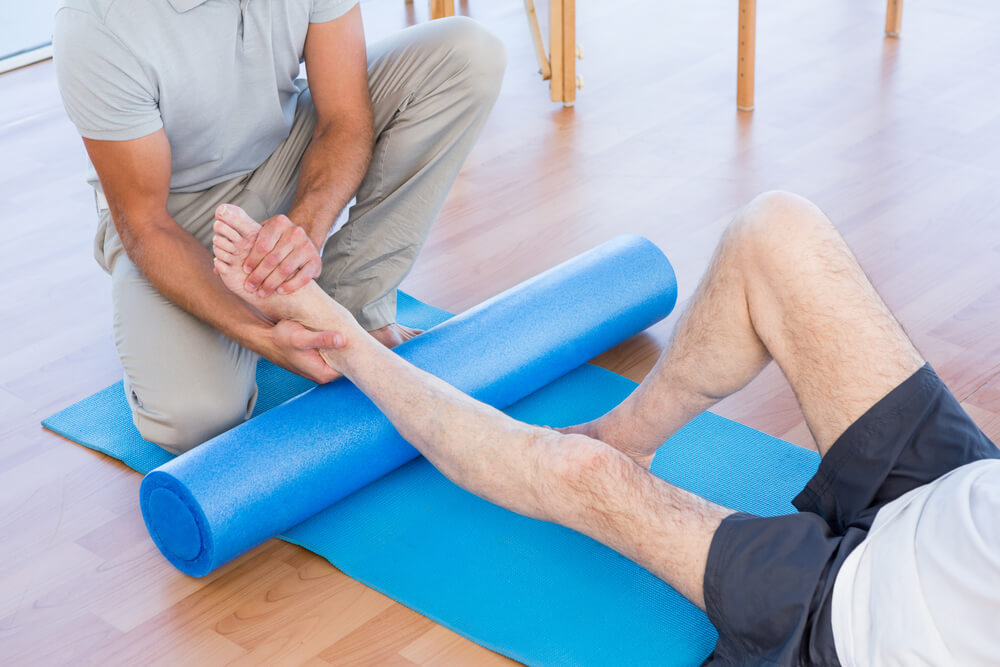
    One issue that often results from a sprained ankle is that the ankle ligaments are stretched or torn. Joint mobilization is a rolled ankle treatment a physical therapist can use for this issue. The therapist will use their hands to move your foot and ankle in various ways, and in many cases, these movements are ones that you may not be able to do on your own. 

    In the case of a rolled ankle, joint mobilization can be used to rehabilitate overstretched ankle tendons. This is an important step in your treatment because loose tendons can increase your chances of rolling your ankle again. The treatment can also help improve ankle range of motion. Additionally, it can encourage greater blood flow in your ankle, and this increased blood flow helps your damaged ankle structures get more of the oxygen and nutrients they need to heal. 

    Find your rolled ankle treatment at Panther Physical Therapy’s clinic in Harmony, PA

    You may think you’ll have to look out of town to find effective ankle treatment, but Panther Physical Therapy has a clinic right here in Harmony that can help you. Our team is experienced at creating effective treatment plans that are personalized to each patient, and the many therapy techniques included in these plans are intended to offer benefits like: 

    • Reduced pain
    • Improved range of motion
    • Faster healing
    • Decreased likelihood of reinjury

    Don’t wait any longer to get help from our highly trained therapy team. Contact our team today for more information or to schedule an appointment.


  • How long can it take for your ankle sprain to heal?

    How long can it take for your ankle sprain to heal?

    Spraining an ankle is a common injury that causes ankle pain, but you may not be aware of just how common it is. An article published by Massachusetts General Hospital (MGH) claims there are about 1 million ankle injuries every year. Of these injuries, the article reports that 85% of them are ankle sprains. If you’re dealing with this common injury, you may be wondering how long it will take for your ankle sprain to heal. 

    Average ankle sprain healing time

    On average, ankle sprains tend to take between four to six weeks to heal. However, your sprain could take less time to heal, or it could require more time to heal. What commonly determines the length of healing time your ankle needs is the severity of the injury, and the severity of your injury will fall into one of three categories. 

    Grade 1 ankle sprains take less time to heal

    Ankle sprains are typically caused by a twisting or rolling of your foot, and such motions tend to occur when exercising or playing sports. When the ankle ligament has only been slightly overstretched, you have what’s known as a grade 1 sprain. This level of sprain tends to heal in less time than the average, and it may heal in as little as five days. However, it can take up to two weeks for some people to recover from a grade 1 sprain. 

    More healing time is necessary for grade 2 ankle sprains

    Grade 2 ankle sprains are those in which your ankle ligament has been partially torn. This type of sprain can lead to symptoms of bruising and difficulty walking, and it will typically take about four to six weeks for a grade 2 sprain to heal. 

    Grade 3 ankle sprains take the longest to heal

    If you have a grade 3 ankle sprain, it may take your ankle much longer than the average time to heal. This is because this level of sprain involves the complete tearing of the ligament in your ankle. For this reason, the damage to your ankle may take anywhere from two to three months to completely heal. 

    Excel Sports & Physical Therapy can help speed up the healing of your ankle sprain

    Although your ankle will need some time to rest after it’s sprained, physical therapy can help reduce your healing time after this rest period has passed. In fact, this is just one of the benefits you may get from physical therapy at Excel Sports & Physical Therapy. Our treatment plans are designed to target the specific issues your ankle sprain has caused, and this can lead to benefits such as: 

    • Decreased pain
    • Increased flexibility
    • Improved mobility

    Our plan can even be designed to help reduce the risk of injuring your ankle in the future. 

    Contact our team today for more information or to schedule an appointment. 

  • Can walking on a sprained ankle make it worse?

    Can walking on a sprained ankle make it worse?

    Yes.

    That’s the very short answer. According to the National Association of Athletic Trainers, ankle injuries, including sprains, are very often undertreated. Ignoring treatment, including excessive movement of the ankle through unnecessary walking, leads to a greater risk of worsening the injury. In turn, this can prolong pain and cause problems in other areas of the body due to compensatory changes in your mechanics. 

    If you have been diagnosed with a sprained ankle, you should take treatment seriously and never try to just “walk it off.” Rest and elevation are important parts of the healing process for ankle sprains, and you should not return to full activity until you have been cleared by a doctor or other medical professional. 

    Physical therapy can be a very important element of a treatment program for ankle sprains, helping you get back into action as quickly as possible. Take a moment to get a better understanding of how a physical therapist can help treat your sprained ankle. If you have any questions, we welcome you to reach out to a member of our dedicated team. 

    How physical therapy makes a sprained ankle better

    Sprained ankles are often due to accidents like missing a step and rolling on your ankle while running, but there can also be postural and mechanical factors that play a role. That’s why physical therapists are trained to perform movement, balance and posture tests to identify any contributors to your injury. 

    A treatment program for a sprained ankle will typically consist of the following: 

    • Stability and balance training to help you move in a way that reduces ankle stress
    • Strengthening exercises for the muscles, tendons and ligaments in the ankles
    • Manual therapy to increase blood flow to the area and relieve tension
    • Range-of-motion exercises and stretches to gently encourage ankle flexibility

    Again, it’s important to stress the role of patience in the sprained ankle treatment process. Trying to rush back into action before the injury has properly healed puts you at a much higher risk of prolonging the injury. 

    Sprained ankle treatment at Rehab Access

    We’re committed to providing individualized care that offers a return to a healthy and active lifestyle for everyone who comes to us seeking relief for conditions including ankle sprains. Schedule your initial appointment and start your journey toward relief by contacting us today.

  • How to get the ankle pain treatment you need in Warrenton, MO

    How to get the ankle pain treatment you need in Warrenton, MO

    Persistent ankle pain can be frustrating, whether you’re an athlete looking to get back in action or someone looking to get through the work day. While many ankle injuries heal in a short period of time with the old standbys of rest, ice, compression and elevation, more involved ankle pain treatment may be needed for pain that does not improve.

    While many associate physical therapy with post-surgical rehabilitation or serious injuries, it can provide relief for a wide range of issues, including ankle pain. If you’re a patient in the Warrenton, Missouri, area seeking ankle pain treatment, the caring professionals at Excel Sports and Physical Therapy are here to help. Read the following guide to finding ankle pain treatment and feel free to reach out if you’d like to learn more.

    Steps to ankle pain relief

    The first place to start if you have been dealing with ankle pain that is not improving and is beginning to affect your quality of life is to speak with a doctor, such as your primary care physician. To receive physical therapy in Missouri, patients must receive a referral from a physician. Before a referral can be made, he or she may need to perform an initial evaluation and order diagnostic imagery to identify problems like a sprain, tendinitis or a fracture.

    Depending on the exact cause, physical therapy can help ankle pain through a number of specific techniques designed to restore function, relieve pain and restore mobility to the area. When you start physical therapy, your therapist will perform a thorough evaluation of your movement and posture, look for painful spots, ask questions about your symptoms and review your medical and treatment history.

    After the evaluation, you can begin to develop a treatment plan that includes options such as:

    • Manual therapy
    • Stability exercises
    • Strengthening exercises
    • Joint mobilization

    You will also receive instruction on exercises you can perform at home as well as how to properly administer treatments such as a heating pad or ice pack.

    Trust Excel with your ankle pain treatment

    The veteran physical therapy experts at Excel have been helping patients in this part of Missouri since we started our first clinic in 1984. At our clinic in Warrenton, our friendly and caring staff is committed to helping people get back to an active lifestyle no matter what the cause of their pain or injury is.

    To learn more about how we can help and to schedule your initial appointment, please contact us today.

  • Ankle pain treatment methods we use to help patients in Mattawan, MI

    Whether it’s an Achilles tendinitis flare-up, arthritis or a fracture, ankle pain can be a particularly debilitating issue to deal with. After all, we use our ankles to complete nearly any task that doesn’t involve sitting. If every step is painful and you can’t do your job with crutches or other aids, ankle pain can start to seriously interfere with your quality of life.  

    This is why it’s so important to seek professional attention for ankle pain that does not improve in a short period of time. Physical therapy can be a particularly effective form of ankle pain treatment that uses natural movements and exercises to restore functionality and range of motion.

    To help patients in Mattawan, Michigan, learn about their ankle pain treatment options, Armor Physical Therapy has created the following guide. We want to help you feel empowered as a patient and make an informed decision about your care. Please don’t hesitate to reach out if you’d like to learn more about the care we can provide.

    Ankle pain treatment techniques our therapists may recommend

    When you meet with one of our highly-skilled physical therapists, you should expect to receive a thorough evaluation of your movement and posture while also discussing your treatment history and symptoms. Your therapist may also need to perform a hands-on examination of your ankle to test for painful areas, so there’s a chance you could experience some mild discomfort.

    After the evaluation is complete, he or she will recommend specific ankle pain treatments, including:

    • Manual therapy — A therapist will use a variety of hands-on methods to relax tense muscles, activate joints and increase range of motion.
    • Therapeutic exercise — Targeted exercises can help strengthen muscles that support the ankle to relieve pressure on the joint and increase stability.
    • Myofascial release — Also called trigger point therapy, myofascial release involves the releasing of painful bundles of soft tissue that can develop in injured areas.

    Your therapist can also provide instruction on performing exercises safely at home, improving posture and gait during daily activities and how to properly administer at-home treatments like hot and cold therapy.

    Armor Physical Therapy is here to help Mattawan patients

    If you’re suffering from ankle pain that is keeping you from your favorite people and pastimes and interfering with your productivity, don’t wait any longer. Contact the compassionate experts at Armor Physical Therapy in Mattawan to schedule your initial appointment and start your journey toward relief.  

  • Treating ankle pain with physical therapy in Winterville, NC

    Treating ankle pain with physical therapy in Winterville, NC

    There are more than one hundred muscles, tendons and ligaments in the human ankle. These along with the dozens of bones and joints make the ankle one of the most complex musculoskeletal systems in the body. Ankles are also under considerable stress as they are relied on for nearly every physical movement we make. Consequently, ankle pain, injury and disease are common experiences affecting many adults every day in the United States. This type of pain is also associated with a surprising number of factors and causes. Whatever the cause of the symptoms, physical therapy is now available for ankle pain treatment in Winterville, North Carolina at Peak Performance. Our team provides a noninvasive approach which is tailored specifically to each patient we work with.

    Treatment methods for ankle pain

    Beyond just the RICE (rest, ice, compression, elevation) method at home, there are a number of causes which necessitate more professional care. Most commonly associated with ankle pain and physical therapy are injuries such as ankle sprains, strains or fractures. We work with these injuries and are also trained in techniques to address ankle pain which comes as a result of arthritis, gout, bursitis, overuse, work conditions and many other health factors. Our treatment starts with an assessment of an individual’s ankle pain at our Winterville clinic. We make use of standardized and experienced techniques to determine what the best approach is for each patient.

    Let Peak Performance in Winterville treat your ankle pain

    The Peak Performance team develops a treatment plan which we will walk through with you before beginning any work. This may include on-site exercises, training, education and potentially lifestyle adjustment recommendations. The physical therapy plans we utilize have been shown via research and experience to reduce ankle pain and prevent future occurrences.

    If you would like to set up an initial appointment to discuss your ankle pain and possibilities for reduction and prevention, contact the Peak Performance team at our Winterville, clinic today.

  • How long does post-surgical ankle rehab last?

    How long does post-surgical ankle rehab last?

    If you’re considering an ankle surgery, you may be wondering how long post-surgical ankle rehab lasts. Luckily, there’s an experienced physical therapy team that can answer your post-surgical rehab questions.

    At Rehab Access, we’ve worked closely with doctors in Gretna and Belle Chasse, Louisiana, and communities nearby for 20 years. During that time, our team has built great relationships with many of these doctors. This close relationship may benefit you when you need surgery. Our team will work closely with you and your doctor to build a personalized post-surgical rehab program, and our plans may reduce how long post-surgical ankle rehab takes because they’re designed specifically for your needs.

    Reasons we may be able to reduce how long your post-surgical ankle rehab takes

    If you’re worried about how long your post-surgical ankle rehab may take, you should consider working with our team at Rehab Access.

    Ankle surgery is typically performed for one of three reasons. It may be used to stabilize and promote healing in ankle fractures. Ankle surgery is also used to repair ankle ligaments that have become torn or detached. A third reason it’s used is to replace the ankle joint when it has been damaged by arthritis.

    Recovering from ankle surgery can take anywhere from two to six months, and the physical therapy used to aid your recovery is likely to take up about six to eight weeks of this time. There are many factors that can affect your recovery time after ankle surgery. For instance, the type of surgery and how long it lasts are two such factors. Another factor that may affect your recovery time is how well you plan for the period after your surgery.

    Some things you can plan before surgery that may decrease your post-surgery recovery time include:

    • Arranging for necessary medical assistance devices like crutches or a knee walker
    • Having someone to help you around the house
    • Learning how to use elevation and icing to relieve swelling and inflammation
    • Setting up your post-surgery physical therapy

    Our team is ready to create a physical therapy program for your post-surgical rehab. All you have to do to get our help is take one initial step before your surgery.

    Contact our team today for more information or to schedule an initial appointment.

  • Nonsurgical treatment for ankle pain

    Nonsurgical treatment for ankle pain

    When you’ve hurt your ankle, it’s important to visit a health care professional for treatment. Your ankles are too important to your ability to move and do the things you love to ignore the pain and wait for it to go away.

    Ankle injuries are very common. More than two million people each year suffer from a sprained ankle. Half of those are likely to suffer further ankle injuries in the future. One way to treat ankle pain and reduce the chances of a recurring ankle injury is with physical therapy.

    Why visit a physical therapist for ankle pain?

    Physical therapists are licensed health care professionals who specialize in treatments for the bones, muscles, soft tissue and joints in your body. Physical therapy treatments do not require the use of drugs and are completed without the use of surgery. This is beneficial because medication causes side effects and surgery is painful and takes a while to recover from.

    Physical therapists have different methods for treating ankle pain. Many of our ankle pain treatments at Panther Physical Therapy include:

    • Exercise — Exercises and stretches help rebuild the strength and flexibility of the muscles and tissue affected by the injury. This provides better support for the ankle during recovery and can reduce pain caused by pressure from the affected muscles and soft tissue.
    • Manual therapy — Manual therapy, also known as hands-on therapy, includes methods involving the use of a physical therapist’s hands. The goal of manual therapy treatments is to reduce pain and improve range of motion through movements of the joints and soft tissue. Visit Panther Physical Therapy for ankle pain treatment.

    If your ankle has been hurt due to an injury or debilitating condition, you should see a physical therapist at Panther Physical Therapy for help. Our team specializes in these methods and more to help you reduce ankle pain and restore your range of motion. Contact us today to learn more about treating ankle pain or to schedule an initial appointment.

  • Manual Therapy and Stretching Prove Effective for Treating Heel Pain

    Manual Therapy and Stretching Prove Effective for Treating Heel Pain

    Do you have pain at the bottom of your heel as you step out of bed in the morning? Is your running impeded by a nagging ache in your heel? If so, these are two very common symptoms of plantar fasciitis. Plantar fasciitis is the most common foot pain condition treated by health care providers.

    What is it and how can I fix it?

    Plantar fasciitis is actually an inflammation and micro-tearing of the ligament that supports the arch in your foot– the plantar fascia. When your foot hits the ground, the plantar fascia stretches to accommodate your body weight and the ground reaction forces generated by walking and running. During walking, up to 3 times your body weight is taken through your arch; when running, up to 9 times. If the condition develops, the person usually reports a sharp pain under their heel that may spread into the arch of the foot. The onset is typically not from an injury, but develops gradually and, if left untreated, gets worse over time. Many causes can contribute to plantar fasciitis:

    • Standing on your feet all day with poor foot wear
    • Increasing running intensity or distance too quickly
    • Shoes inappropriate for your foot type or shoes that have excessive wear
    • Poor foot mechanics (foot is too flexible or too stiff)
    • Weakness in your core, hips, and lower leg
    • Tight legs, especially calves
    • Low back pathologies with nerve root irritation
    • Poor running mechanics

    What to do about it:

    There are numerous ways to treat plantar fasciitis and some you can easily initiate yourself. Try the following strategies:

    • Ice massage: Rub an ice cube directly to the area of discomfort in a circular motion for 5-7 minutes.
    • Stretch: Calf stretches against wall: straight and bent knee, plantar fascia stretch
    • Proper shoes are essential. Be sure to replace shoes after 300-400 miles of running, depending on your size.
    • Self-massage to plantar fascia with tennis/golf ball or tubing
    • Deep tissue massage to calves
    • Decrease training intensity and cross train if possible
    • Strengthen core and overall lower extremities
    • Wear a “Strassburg sock” at night.

    What’s the next step?

    If you have done all you can and still have pain, what’s next? How do you get back on the trail, back up to your running intensity, on skis again, or simply walking around the block without pain?

    An excellent study in the Journal of Orthopedic and Sports Physical Therapy looked at 60 patients suffering from heel pain. Half were given the stretches mentioned above; the other half underwent the stretches and received manual therapy. The group that received both manual treatment and self-stretching experienced greater improvement in physical function and a greater reduction in pain compared to those performing self-stretching alone.

    Manual treatments can include such things as trigger point dry needling, myofascial/deep tissue release, joint mobilization and manipulation, and manual stretching. All of these, in addition to various taping techniques, specific strengthening exercises addressing foot impairments, and weakness of the hip and low back will help eliminate pain.

    Also, your SOL Physical Therapist can determine the need for a foot orthosis to improve the biomechanics of your lower leg, decreasing strain on the plantar fascia. A full biomechanical evaluation by your SOL Physical Therapist will determine the cause of the irritation, so you can eliminate the factors creating the aggravation. Getting to the cause of the tightness is the key to its resolution and is what keeps it from coming back. Physical therapy is the detective work that teases out all contributing factors and helps you recover.

    If you find yourself suffering from nagging heel pain on one or both feet, try some of the suggestions we have provided and see how it goes.

    If, in a week or so, you are not seeing an improvement, make an appointment —- we will help get you back to moving those feet pain-free!

When Was Your Appointment?

We recently changed bill pay providers. Please click the button for the date of your appointment to be directed to the correct online payment portal.