Please ensure Javascript is enabled for purposes of website accessibility

Category: Physical Therapy

  • Manual therapy vs massage therapy in Grand Rapids, MI

    Manual therapy vs massage therapy in Grand Rapids, MI

    Across the country, many people use manual therapy and massage therapy as if they were synonyms, and it’s no different in Grand Rapids, Michigan. However, using these two terms this way isn’t entirely accurate. This because there are several fundamental differences between these techniques. Here are three of the differences between manual therapy and massage therapy: 

    1.   Who does it

    The first major difference between manual therapy and massage therapy is the people who perform the treatments . Manual therapy is a technique used by experienced and specially-trained physical therapists. These professionals must have a doctoral-level college degree from a certified institution, and they must also have a license to practice in Michigan. Massage therapists do typically need a state license, but they typically only need two years of education. 

    2.   What’s done during therapy

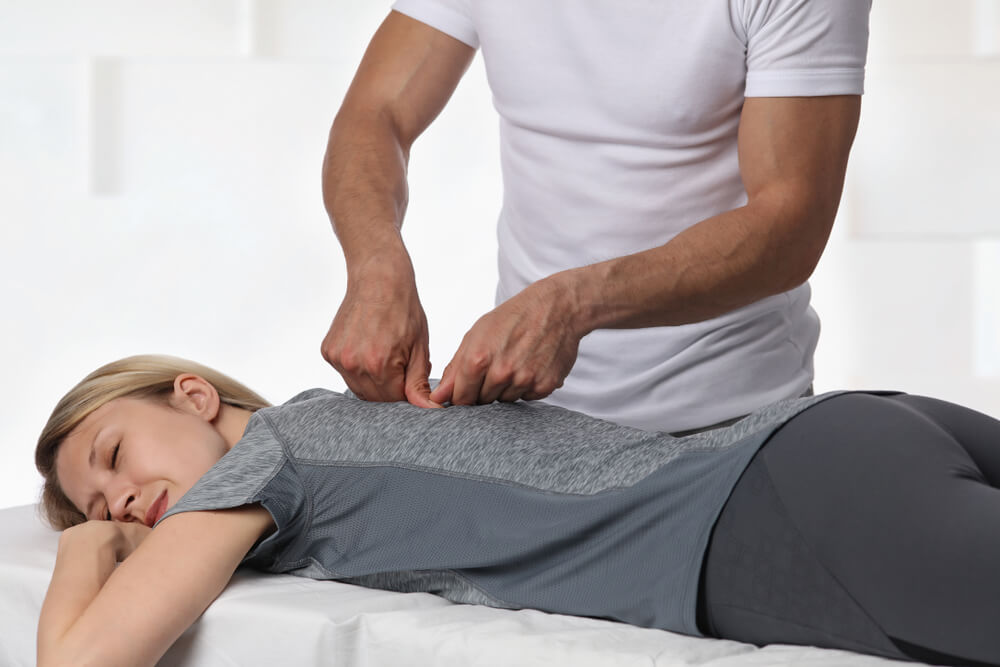
    Massage therapists typically only do what’s known as soft tissue mobilization. Soft tissue mobilization is one form of manual therapy, but there are also several others. For example, myofascial release is used to break up scar tissue in the fascia that runs under the skin. Also, muscle energy techniques can be used to help improve the range of motion and mobility of joints. Strain-counterstrain movements are also a type of manual therapy, and these movements are intended to help treat neuromuscular problems. 

    3.   The main therapy goal

    The goal of manual therapy is also different from the goal of massage therapy. For many practitioners, massage therapy is geared toward promoting physical and mental relaxation. For physical therapists, manual therapy has a slightly different goal — to reduce pain and improve physical function. You can also feel more physically and mentally relaxed after manual therapy, but a physical therapist wants you to be able to bend your back further than before with less pain. 

    Advent Physical Therapy in Grand Rapids, MI, offers effective manual therapy

    People who are wondering if manual therapy can help them can find out at Advent Physical Therapy in Grand Rapids. Our team includes therapists that are specifically trained in manual therapy, and we can include this therapy technique in personalized treatment plans for: 

    Contact our team today for more information or to schedule an initial appointment.

  • Find women’s physical therapy near you in Creve Coeur, MO

    Find women’s physical therapy near you in Creve Coeur, MO

    Although anybody can develop back pain or shoulder pain, there are certain issues in the pelvic area that can affect women more than men. Many women’s health issues can be treated with physical therapy in Creve Coeur, Missouri. For instance, there are two common conditions that women’s physical therapy near you can help address. 

    1.   Constipation

    Constipation is a condition where you’re having difficulty evacuating your bowels. While this condition isn’t limited to only women, there is evidence that suggests women could be more susceptible to constipation. One study published by the National Institutes of Health (NIH) revealed that 79% of the women in the study reported constipation. 

    This condition is often linked to issues with the pelvic muscles. For example, overly tight pelvic muscles often cannot be relaxed enough to have a bowel movement, and this is an issue called anismus. The pelvic muscles may not be relaxing and contracting correctly, and this can lead to a condition called dyssynergia, which can cause constipation. Pelvic muscles that are too weak can also be the root cause of constipation. This is because the weak muscles can’t muster enough force to allow the bowel to operate normally. 

    2.   Sacroiliac joint dysfunction

    As with constipation, one medical study concluded that women are more likely to develop sacroiliac joint dysfunction. The sacroiliac joint is the joint that connects the hips and lower spine. This joint is intended more to absorb shocks than for bending, and the pelvic muscles are one of the many muscles and ligaments that attach near the joint. When these muscles are too tight, the sacroiliac joint can become too stiff and can be painful. However, loose or weak pelvic muscles can allow this joint to move too much, and this can also cause pain. 

    Excel Sports & Physical Therapy offers women’s physical therapy near you in Creve Coeur, MO

    Women’s health is an area of physical therapy that requires special training, and you’ll find therapists who have this training at Excel Sports & Physical Therapy in Creve Coeur. We’ll perform a one-on-one screening to help determine the cause of your issue. Then, we’ll design a personalized treatment plan for you, which may include: 

    Take the next step to deal with women’s health issues. Contact our team today for more information or to schedule an initial appointment. 
  • Three physical therapy-based ankle injury treatment benefits

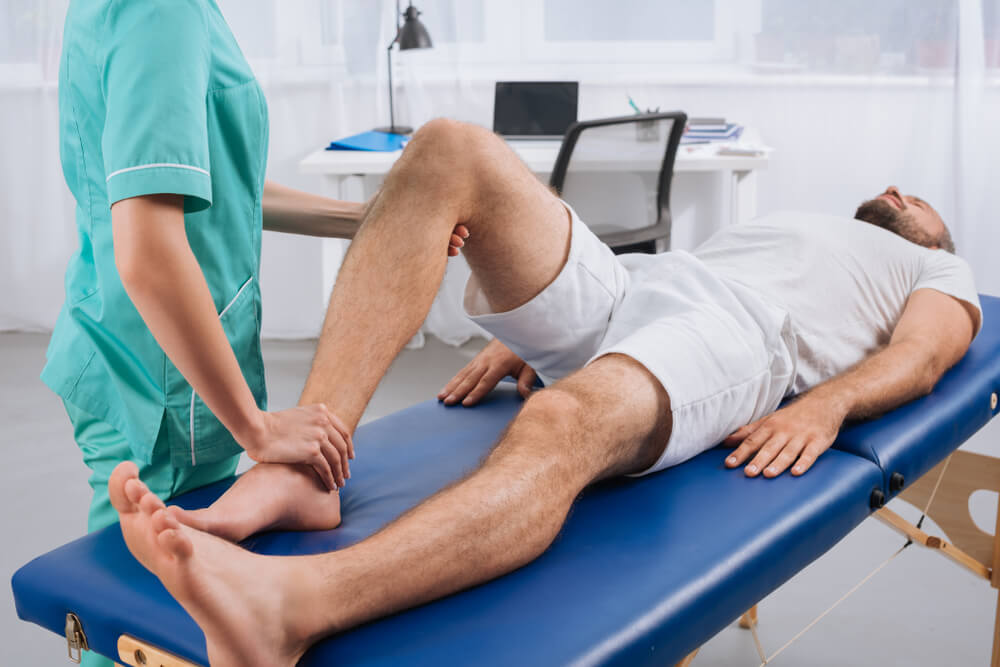
    People who are active and who play sports can be at greater risk of an ankle injury. In fact, Massachusetts General Hospital estimates that there are about 1 million ankle injuries every year. If you or someone you know has recently injured an ankle, you might be interested to know that physical therapy can be very helpful for this injury. Here are three benefits that physical therapy-based ankle injury treatment can provide to people who use it. 

    1.   Reduces pain faster

    It’s no secret that one of the most troubling symptoms of an ankle injury is pain. This pain is typically the result of the overstretching or tearing of tendons in the ankle, and there are many ways to treat this pain. Many people rely on rest and other at-home remedies to treat this symptom. If you see a doctor for the injury, they may give you a set of exercises to do at home. 

    However, one study published by the Journal of Orthopaedic and Sports Physical Therapy (JOSPT) provides some interesting information about such methods. It reports that home exercise programs alone only allowed for a 39% reduction in pain in a four-week period. However, patients in the same study who used physical therapy to treat their ankle injury saw a 70% pain reduction in the same four-week time frame. 

    2.   Restores normal function more quickly

    Another common issue that ankle injury treatment must address is the loss of function such injuries cause. People with an ankle injury often have difficulty walking; however, physical therapy can also help treat loss of function. The JOSPT study showed that patients who had physical therapy for their injury regained function more rapidly. In fact, patients in the physical therapy group of the study had 14% more ankle function four weeks after their injury than the non-physical therapy group. 

    3.   Allows for a faster return to sports

    For people who have injured their ankle playing sports, the faster they can recover, the better they like it. This is also true for anyone with an ankle injury. Since physical therapy can help reduce pain and restore function faster, it also helps people return to playing sports sooner. Additionally, physical therapists can help you learn movements and stretches that can help prevent future ankle injuries. This can be very helpful since about 80% of the people who sprained an ankle sprain the same ankle again.

    Get ankle injury treatment from the physical therapists at Armor Physical Therapy

    Are you looking for an experienced physical therapy team to help you treat an ankle injury? Armor Physical Therapy in southwest Michigan has just the team you’re looking for. We provide complimentary initial screenings, and we can also build you a personalized treatment plan for your injury. These personalized plans typically contain multiple therapy methods, including: 

    Contact us today for more information or to schedule an initial appointment if you have an injured ankle. 

  • Physical therapy treatments for arthritis in the knee

    Physical therapy treatments for arthritis in the knee

    Arthritis comes in several forms that can affect the cartilage in your knees. This makes it difficult for you to use your knees for physically demanding activities and, eventually, for simple daily tasks. 

    When you’ve been diagnosed with arthritis in the knee, you must find treatment. Quality treatment can help reduce the pain and stiffness caused by arthritis so you can continue to pursue normal daily activities.

    Treating knee arthritis with physical therapy

    Some treatment plans include medications or even surgical intervention. While these have their place, they come with many side effects and risks. Another medically proven option you have for treating knee arthritis is physical therapy.

    Here are some of the techniques that physical therapists use to treat knee arthritis:

    • Therapeutic strength exercises — Part of what contributes to the pain in your knee when you have arthritis is weak and stiff muscles. Insufficient muscle strength increases strain on the joint. Through therapeutic strength exercises, physical therapists aim to improve the support of your knee with stronger muscles to help reduce pressure off the joint.
    • Therapeutic flexibility exercises — Arthritis can take away your ability to fully straighten or bend your knee, especially when it’s bearing weight. Physical therapists can guide you through stretches and exercises to help improve your flexibility when arthritis is affecting your knee. This may not make you as limber as you once were, but it can help you return to normal daily activities that your arthritis makes more difficult.
    • Soft tissue mobilization — Physical therapists can use hands-on manual therapy techniques to reduce tension in the muscles, tendons and ligaments around the knee. This helps reduce pain and pressure in the knee.
    • Joint mobilization — Another type of manual therapy is joint mobilization. In joint mobilization, the physical therapist gently guides your knee into positions designed to help reduce pressure and improve its flexibility. This is often done in coordination with soft tissue mobilization and other physical therapy techniques.

    Visit Border Therapy Services for the treatment of arthritis in the knee

    Do you have arthritis in your knees that makes it difficult for you to stand and walk? Our team at Border Therapy Services specializes in these techniques and more to help you improve the quality of your knees. Contact us today to talk to our team about knee arthritis treatment or to schedule an initial appointment.
  • Three reasons you may need muscle tension physical therapy

    Three reasons you may need muscle tension physical therapy

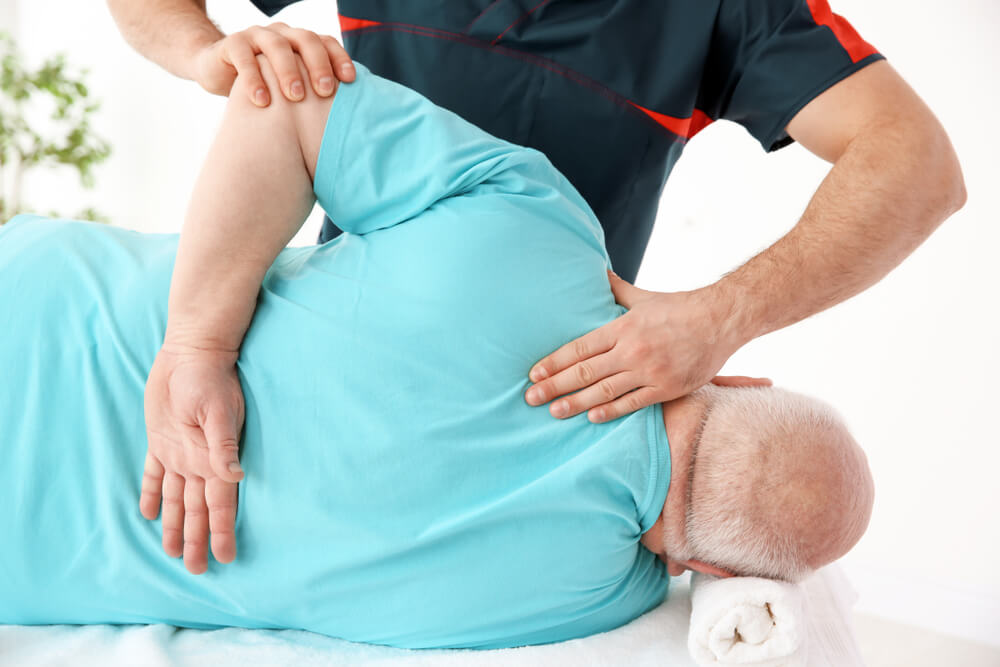
    Muscle tension is when your muscles are tight or stiff, and when you have it, your muscles can’t move as fully as possible. Many people deal with this on a daily basis, but you may not know why your muscles are so tense every day. Here are three common reasons people may need to seek muscle tension physical therapy: 

    1.   Stress

    Mental stress can come from a variety of sources. You may be trying to meet a deadline at work. Other people get stressed out when they have to talk in public. No matter what’s causing your stress, it can actually have physical effects on the body, and one effect it can have is to cause muscles to tense up. If you have this issue on a daily basis, it can lead to more serious problems, and you may want to seek physical therapy for your muscle tension. 

    2.   Dehydration

    Most of us are aware of how important water is to the body, but did you know that a lack of water can lead to muscle tension? Lack of water in the body is an issue called dehydration, and this condition causes the blood to thicken. This makes it harder for the muscles to get oxygen. 

    Also, a lack of water can cause the body to pull water from the muscle cells. So, when you have dehydration, your muscles aren’t oxygenated enough and don’t have enough liquid. Both of these factors together mean the muscles can be more tense and have difficulty moving normally. Drinking more water and muscle tension physical therapy can help relieve this type of muscle tension. 

    3.   Sports injury

    Sports injuries can also be the reason you need muscle tension physical therapy. One of the most common types of sports injury is the muscle strain, and this seemingly small injury can actually lead to high levels of muscle tension. When you strain a muscle, it develops microscopic tears, and scar tissue can form in these tears as they heal. 

    These areas of muscle scar tissue are called adhesions, and they can cause the muscle fibers to stick to each other rather than sliding normally. This stickiness can create greater muscle tension, but this type of tension can be treated with physical therapy. 

    Find effective muscle tension physical therapy at SSOR

    There are many factors in life that can lead to muscle tension, but our team at SSOR has the tools and expertise to help you treat this issue. First, we’ll have you come in for a one-on-one screening to help us figure out the source of your tension. Once we understand what the cause of your tension is, we’ll create a personalized physical therapy plan to treat it. This plan may include therapy techniques like: 

    Take the next step to get our help with your muscle tension. Contact us today for more information or to schedule an initial appointment.  

  • Three physical therapy stretches for tension headaches

    Three physical therapy stretches for tension headaches

    Tension headaches are almost an epidemic in the U.S. One article published by the American Medical Association (AMA) reported that 69% of men and 88% of women in this country are affected by this type of headache every year. One way to both treat tension headaches and reduce their frequency is to reduce tension in the neck muscles. There are three effective tension headache physical therapy stretches that can help reduce this tension: 

    1.   Forward and backward tilt

    Your neck muscles are connected to nerves that also run into your head, and this means that tension in the neck muscles can cause frequent tension headaches. The forward and backward tilt is one tension headache physical therapy stretch that can help decrease neck muscle tension. 

    To begin this stretch, sit up straight and place your head squarely over your shoulders. Then, slowly lower your chin toward your chest. Hold this stretch for about 20 seconds and breathe deeply in and out. After 20 seconds, slowly return your head to the start position. To stretch the muscles in the front of your neck, tilt your head backward so that your chin points toward the ceiling. Hold the backward tilt for another 20 seconds. Then, return to the start position again. 

    2.   Side tilt

    The upper trapezius, or trap, is a muscle that runs from the edge of your shoulder blade to the base of your skull. Tension in this muscle can cause tension headaches, but the side tilt is a tension headache physical therapy stretch that can target this muscle. 

    Start off with your head centered over your shoulders again. Slowly let your head tilt to the left and stop when you feel a stretch on the right side of your neck. Make sure you aren’t raising your shoulder here because this reduces the effectiveness of the stretch. After about 10 seconds of stretching, tilt your head back up to the start position. Then, repeat these steps by tilting your head to the left to stretch the left trap too. 

    3.   Side rotation

    Side rotation stretches are a tension headache physical therapy stretch intended to target the traps and rhomboids. Begin the stretch by moving your head so that it’s centered over the shoulders. Then, slowly turn your head to the right until you feel a stretch in the left side of your neck and left shoulder. Hold this stretch for about 15 seconds. When the 15 seconds are up, turn your head back to the front, and then repeat the same steps on your right side. For the best possible stretch, you may want to repeat this exercise up to 10 times on each side. 

    SSOR offers many types of tension headache physical therapy

    At SSOR, we know how tough it can be to deal with regular tension headaches. Our team is ready to build you a personalized treatment plan that could help reduce the frequency of your headaches. This and other benefits are possible for you thanks to therapy techniques like: 

    • Manual therapy
    • Therapeutic stretches
    • Strengthening exercises
    • Ergonomic recommendations

    Contact us today for more information or to schedule an initial appointment to start treating your tension headaches. 

  • Treating chronic muscle tension with physical therapy in Jacksonville, NC

    Treating chronic muscle tension with physical therapy in Jacksonville, NC

    Tension and pain in the muscles can force you to miss out on much of what you love about life. Instead of spending time with your family and friends or pursuing your favorite activities, you might feel more confined to the couch or your bed. Fortunately, you can treat chronic muscle tension and pain with physical therapy.

    Physical therapists are highly skilled health care professionals who have many treatments for chronic muscle tension. At Peak Performance Sports and Physical Therapy in Jacksonville, North Carolina, one of our team members will carefully examine you to determine which treatments will work best for your condition. Then, they will develop a personalized treatment plan to help you recover.

    Physical therapy treatments for chronic muscle tension

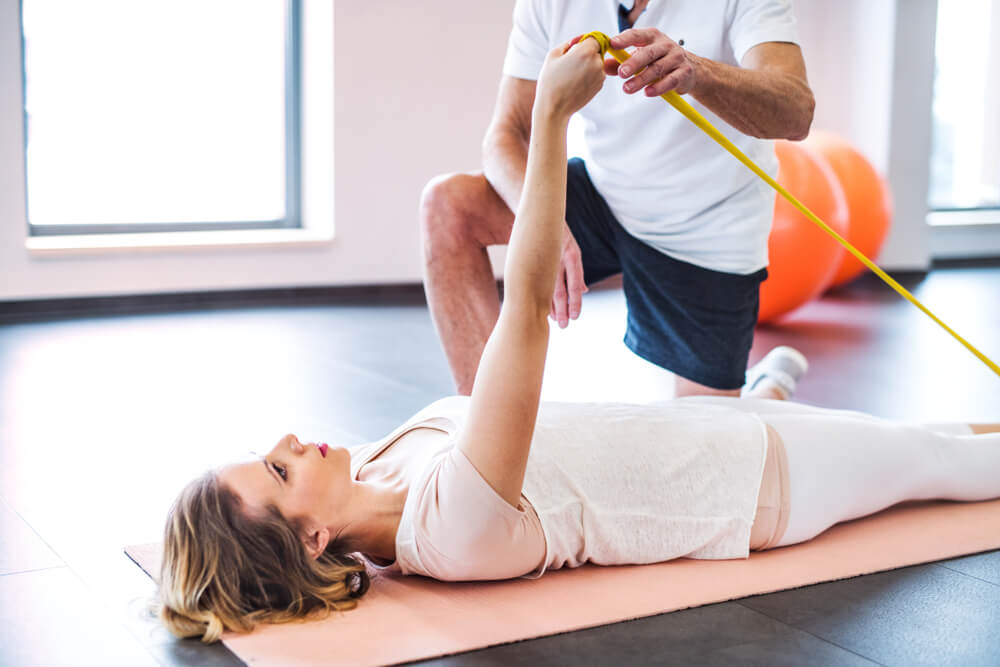
    • Aerobic exercise — Aerobic exercises are designed to increase your heart rate and get the blood flowing. An increase of blood flow helps get more oxygen and nutrients to your muscles that are in pain. Physical therapists are careful to choose aerobic exercises that are low impact on your muscles and joints.
    • Strength exercise — Strengthening exercises help improve the quality of your muscles so they are less likely to grow tense and stiff.
    • Stretching — Treatments that involve exercises also usually involve stretches. Stretching improves the flexibility of your muscles, which further helps reduce chronic tension and pain.
    • Soft tissue mobilization — Soft tissue mobilization is a form of manual therapy that aims to reduce tension in the muscles by breaking down scar tissue. In it, a physical therapist uses their hands or an instrument to mobilize and manipulate the soft tissue to reduce pain and tension caused by scar tissue.
    • Muscle energy techniques — Muscle energy techniques are also forms of manual therapy. In these, the physical therapist will apply a controlled force to your muscles to stimulate contraction in a targeted area, which helps reduce pain and tension in the muscles.

    Visit Peak Performance Sports and Physical Therapy in Jacksonville, NC, for chronic pain treatment

    Don’t let chronic muscle tension and pain keep you from missing out on what’s good in life. Our physical therapists at Peak Performance Sports and Physical Therapy in Jacksonville are here to help. Contact us today to learn more about chronic pain treatment or to schedule an initial appointment.
  • Physical therapy for sharp pain in the top of your hand in Walker, MI

    Physical therapy for sharp pain in the top of your hand in Walker, MI

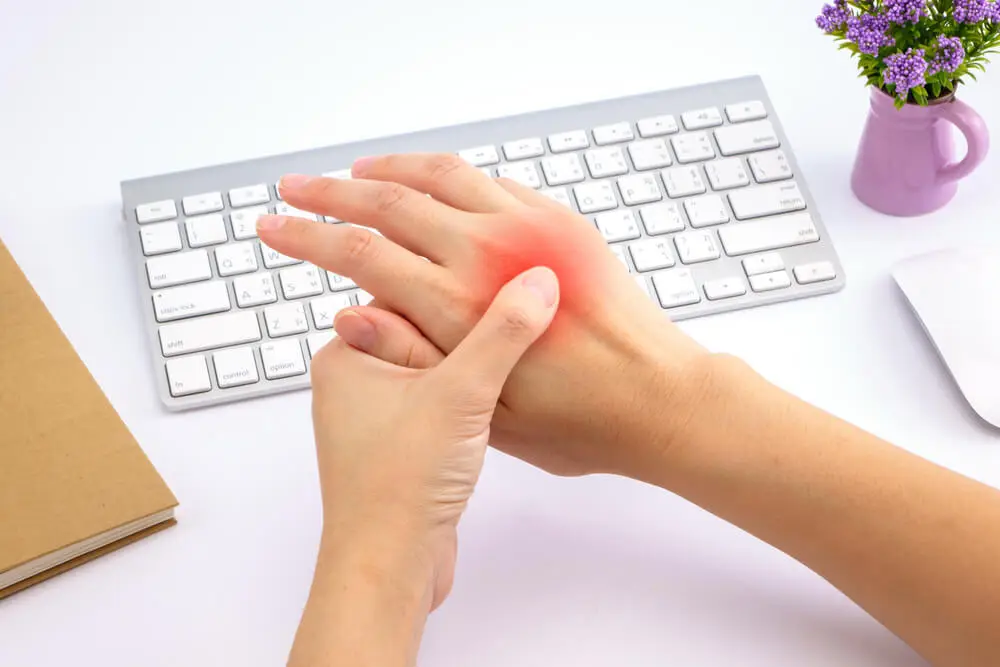
    Pain in your hands is a problem because your hands are used for the majority of your daily activities. Sometimes, minor hand pain or soreness can develop after a low-impact injury or a long day of hard work. Usually, this kind of pain goes away after a little rest. However, pain that lasts longer or is more painful and limiting than usual requires professional treatment.

    At Advent Physical Therapy in Walker, Michigan, our physical therapists are highly trained and skilled in treating conditions that affect your hand and wrist. Sharp pain in the top of your hand usually occurs as a result of a sudden injury, and our team is ready to help.

    Causes of sharp pain in the top of your hand

    Pain in your hand comes in many forms. Dull, persistent pain in the hand or wrist may be related to arthritis, but sharp pain is likely to be related to one of the following:

    • Tendinitis — Overuse of the hands and wrists can cause inflammation in the tendons known as tendinitis. This is a painful condition that limits the range of motion in your hands, wrists and even your fingers.
    • Ligament injury — Each of the bones in your hands and wrists are connected by ligaments that support the bones and provide movement in the joints. An injury to a ligament due to overuse or traumatic impact can cause sudden, sharp pain in the top of your hand.
    • Fracture — A traumatic injury from a hard impact or a fall can cause one or multiple bones in your hand or wrist to break. In cases where osteoporosis is involved, it may not take as much for a fracture to occur, which can cause unexpected pain in the top of your hand. 

    Treatment for sharp pain in the top of your hand

    Physical therapists have different techniques for treating hand and wrist pain. If you visit our clinic in Walker for sharp pain in the top of your hand, we’ll develop a personalized treatment for you that may include:

    • Gentle stretches and exercises — Physical therapists can guide you through stretches and exercises designed to improve the quality of your muscles, tendons and ligaments in your hands and wrists. This helps reduce pressure off the injured area, which reduces pain and can improve your range of motion.
    • Manual therapy — Physical therapists can use hands-on manual therapy techniques to guide your hand and wrist through motions to mobilize the joint and the soft tissue surrounding it. This helps reduce pain and improve your range of motion.
    • Posture education — Poor posture when typing, driving and other activities that involve the use of your hands and wrists can cause sharp pain in the top of your hand. Physical therapists can help you correct your posture to treat and help prevent hand pain.

    Visit Advent Physical Therapy in Walker, MI, for hand pain treatment

    Hand pain can take away your ability to enjoy many of your favorite activities. Our team at Advent Physical Therapy in Walker is here to help. Contact our team today for more information about hand pain treatment or to schedule an initial appointment.
  • Two causes of lower leg pain after running in Allison Park, PA

    Two causes of lower leg pain after running in Allison Park, PA

    Like many areas of the country, Allison Park, Pennsylvania, has its fair share of runners. Running is a great way to improve physical fitness, but it’s not without its issues. Some people in Allison Park may be experiencing lower leg pain after running. Those looking for the cause of this type of pain may want to consider two lower leg problems. 

    1.   Calf muscle strain

    The calf muscles are an important part of a person’s ability to run, and if one of them is strained, it can be the reason you feel lower leg pain after running. There are two calf muscles that can be strained. The gastrocnemius is the larger of these two muscles, and it’s this muscle that forms the bulge in your calf.  The soleus is a smaller muscle under the gastrocnemius, and these two muscles together pull the heel up when you’re running. This ability gives you the ability to move forward by pushing off of your foot. 

    There are several symptoms of a calf muscle strain, but one of the most common is mild to severe pain in the lower leg. This condition can be the result of either a lack of stretching before running or overstretching the calf muscles. It can also be caused by doing too much running without giving the muscle enough time to recover. 

    2.   Shin splints

    On the other side of your lower leg, shin splints can also cause you to feel lower leg pain after running. This condition is often called medial tibial stress syndrome by medical professionals, and it causes the soft tissue around the shin bones to become inflamed and painful. Shin splints are typically caused by the stress repetitive running motions place on the legs, and they’re common if you run too often or you just started running. 

    Other factors can increase your chances of getting shin splints. For example, changing from running on flat surfaces to running up hills can increase leg stress and cause this condition. People who run in worn-out or improper shoes are also more likely to get shin splints. Also, having flat feet or overly rigid foot arches can put you at greater risk of this issue. 

    Panther Physical Therapy is ready to help you treat lower leg pain after running

    At Panther Physical Therapy, our team can help Allison Park residents treat painful running-related issues, and we can help you find treatment for many other sports injuries. The backbone of your treatment journey with us will be the personalized therapy plan we design for you. This plan may make use of multiple therapy techniques, including: 

    Contact our team today for more information or to schedule an appointment.

  • A brief overview of physical therapy treatments for lymphedema

    A brief overview of physical therapy treatments for lymphedema

    Swelling in one of the arms or legs can develop after one of your lymph nodes are damaged or removed to treat cancer. This swelling is known as lymphedema, and it is a condition that affects millions of people around the world.

    Isolated incidents of swelling usually go away when the condition causing the swelling receives treatment. However, since lymphedema is related to the removal or damaging of the lymph node, the swelling that occurs can be permanent. Even so, treatment from a physical therapist can help manage it. 

    Physical therapy treatments for lymphedema

    Lymphedema has no cure. Anti-inflammatory medications may help in some cases, but most people with the condition will need physical therapy to help manage the swelling. Physical therapy also helps reduce the pain caused by the swelling and improve your range of motion in the affected limbs. 

    Physical therapy treatments for lymphedema are different on a case-by-case basis, but they generally include:

    • Therapeutic exercise — Gentle exercises of the limb affected by lymphedema can promote the drainage of lymph fluid. These exercises are designed to match your pace, so you can regain the ability to perform normal daily tasks like changing clothes or bathing without assistance.
    • Manual therapy — Physical therapists can gently mobilize and manipulate the tissues in the limb with lymphedema to help keep lymph fluid from building up. These techniques also work to reduce tension in the muscles, which helps with pain and can improve your range of motion.
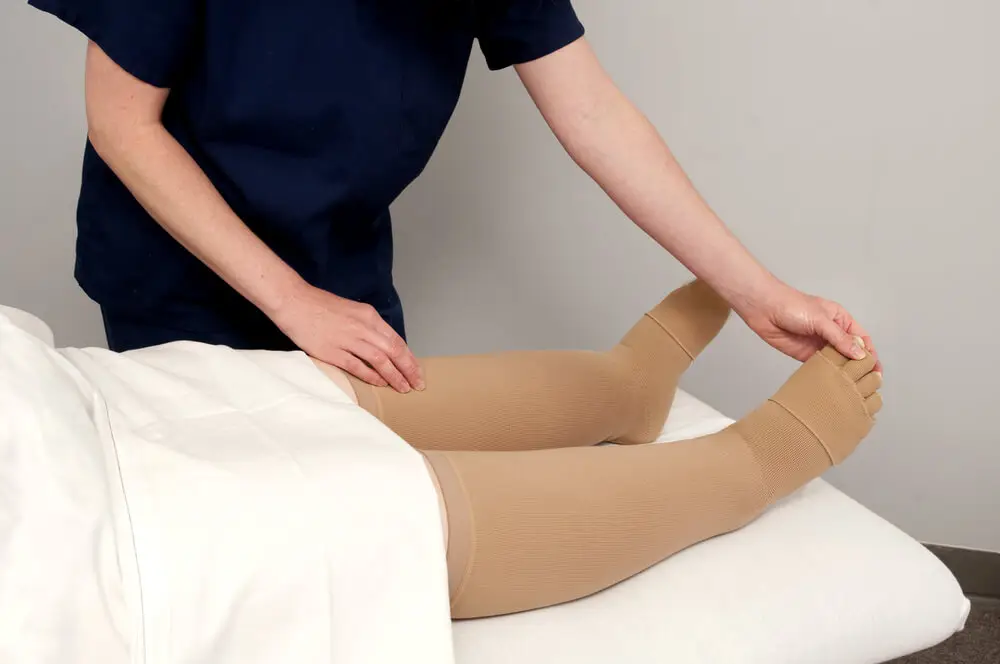
    • Compression — Physical therapists may recommend wearing a compression garment or wrapping your limb with a compression bandage. Compressing the limb can encourage the lymph fluid to circulate through the lymphatic system instead of building up in your limb. 

    Visit Advent Physical Therapy for lymphedema treatment 

    Does chronic swelling related to lymphedema affect your ability to enjoy your life? Our team at Advent Physical Therapy can help you manage your swelling so you can regain some independence and enjoy some of your favorite activities again. Contact our team today for more information about lymphedema treatment or to schedule an initial appointment.

  • How blood flow moderation helps tennis elbow therapy

    How blood flow moderation helps tennis elbow therapy

    Blood flow moderation training is typically seen as something that weightlifters do, but you may be surprised to learn it can also be very helpful in your tennis elbow physical therapy. Also called vascular occlusion training, blood flow moderation is a technique designed to restrict but not completely cut off the blood flow to your arms. This blood flow restriction can lead to three specific benefits for patients with tennis elbow. 

    1.   Increases growth hormone production

    In humans, growth hormone is naturally produced in the pituitary gland, and it helps the body’s cells grow, reproduce and regenerate. These properties can be especially helpful to people who are doing physical therapy for tennis elbow.

    Tennis elbow is a repetitive motion injury of the tendons on the outside of the elbow and forearm. In many cases, the repetitive motion of actions like hitting a tennis ball or typing on your computer can cause the elbow tendons to become damaged and inflamed. Vascular occlusion training can help repair the tendon damage of tennis elbow, and this is possible because the technique helps increase the body’s natural production of growth hormone. In turn, the growth hormone can be used by the body to make the collagen required to repair elbow tendons. 

    2.   Boosts protein production in muscles

    The tendons in your elbow are designed to attach the forearm muscles to the elbow bones, and blood flow moderation training can help increase the strength of these muscles. It does so by forcing the body to create more proteins that help build muscle. This means that your body will have more proteins to build muscle, and this can help increase the strength the muscles in your forearms. These stronger muscles can then offer better elbow support and reduce stress on elbow tendons.

    3.   Improves blood flow

    Blood flow moderation can also help people who are doing tennis elbow physical therapy by improving blood flow to the elbow. This form of therapy pushes the body to create more capillaries to get blood into the restricted arm. The greater number of capillaries helps increase blood flow, and this can help your elbow tendons get more oxygen and nutrients. When your tendons are receiving more oxygen and nutrients, they may be able to heal at a faster pace. 

    Find this and other tennis elbow physical therapy techniques at Border Therapy Services

    Our team at Border Therapy Services is trained in the use of blood flow moderation, and this is just one technique we can use to create an effective tennis elbow physical therapy plan for you. The personalized therapy plan we build for you can also include therapy methods such as: 

    Are you ready to find out more about how we can help you? Contact our team today for more information or to schedule an appointment.

  • Have you had a stiff neck for weeks? Try these nonsurgical methods

    Have you had a stiff neck for weeks? Try these nonsurgical methods

    If a stiff neck has caused an inability to do activities like sitting at a desk at work or playing with your grandchildren over the last few weeks, it is time to take action. To relieve the stiffness in your neck that has invaded your life, it is important to see a physical therapist to determine the customized treatments that can get you back to your daily routine. Read the following article to learn about the nonsurgical stiff neck treatments that can help you on your road to recovery.

    Physical therapy treatments to relieve a stiff neck that has lasted for weeks

    A stiff neck stems from a variety of causes, ranging from sleeping awkwardly to developing tense muscles as a result of stress. If you have been suffering from a stiff neck for weeks, a physical therapist can analyze the cause of your symptoms and develop a comprehensive, nonsurgical plan designed to help you quickly reclaim your life from this condition. 

    A physical therapist may recommend the following treatments to ease your stiffness:

    • Active physical therapy — Active modalities are when the patient is actively involved in the treatment. In order to ease a stiff neck, a physical therapist may recommend for the patient to improve their neck strength and flexibility through a series of range-of-motion exercises and stretches, thereby increasing the endurance of the neck muscles and reducing the stress on the stiff joints.
    • Passive physical therapy — Passive modalities require another person to apply the treatments. For example, a physical therapist may recommend at-home treatments like hot and cold therapy, as well as manual therapy performed by a licensed physical therapist, in order to alleviate pain and stiffness in the neck that has lasted for weeks.

    In addition to a combination of active and passive modalities, a physical therapist can also teach you lifestyle modifications that will prevent your stiff neck pain from worsening or recurring.

    Visit Whatcom Physical Therapy for stiff neck treatment today

    Don’t let another few weeks go by living with neck pain. Visit the musculoskeletal experts at Whatcom Physical Therapy in Washington to learn how we can get you back to the activities you have been missing out on. We are standing by to help you recapture your quality of life from your condition. 

    Contact our team today for more information about our stiff neck treatments or to schedule an initial appointment with our dedicated team. 

When Was Your Appointment?

We recently changed bill pay providers. Please click the button for the date of your appointment to be directed to the correct online payment portal.