Please ensure Javascript is enabled for purposes of website accessibility

Category: Physical Therapy

  • Neck, shoulder and arm pain with numbness in the fingers — what does it mean?

    Neck, shoulder and arm pain with numbness in the fingers — what does it mean?

    It is common for patients to experience neck pain that is accompanied by shoulder pain, arm pain and numbness in the fingers. This group of symptoms can range from a relatively mild inconvenience to a debilitating problem that affects nearly every aspect of your life. Everything from driving to work in the morning to getting a good night’s sleep can be disrupted. What’s worse, it can be difficult to identify the source of the symptoms, making it easy to feel confused and hopeless as you seek relief. 

    If you are experiencing this group of symptoms, it is extremely important to seek diagnosis and treatment from a qualified health care professional. While in many cases these related issues are caused by nerve compression in the upper spine, there are a range of other potential causes. For most diagnoses, physical therapy is a highly effective form of treatment.

    Take some time to read this quick overview we created to help you better understand the specific ways that physical therapy can help with neck, shoulder and arm pain with numbness in the fingers. To learn more or for answers to any of your questions, do not hesitate to reach out to our caring and dedicated team. 

    Physical therapy for neck pain and radiating symptoms 

    The neck and upper spine are a common source of these types of symptoms due to the high concentration of nerves in this area. Here, the spinal cord travels from the brain out to the extremities, carrying important sensory and motor information to the body. That’s why conditions such as a herniated disc or spinal arthritis can cause radiating symptoms in addition to localized pain when they compress a nerve. 

    While physical therapy cannot “cure” these conditions, it can be an extremely effective form of management by accomplishing the following goals: 

    • Strengthening supporting muscles in the neck to relieve pressure on the nerves
    • Increasing range of motion in the neck, shoulders, arms and fingers
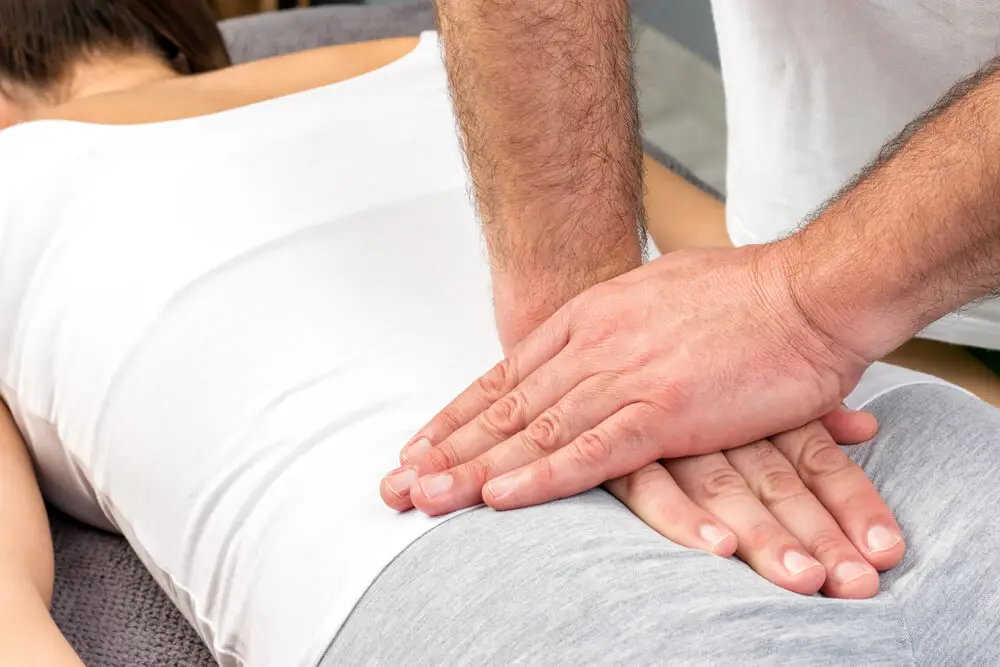
    • Using manual therapy and trigger point therapy to relax tense muscles and decrease problems like tingling and numbness
    • Improving posture and alignment through targeted exercises and treatment

    Working with your therapist requires trust and communication, which is why it is so important to find a practice that takes a compassionate, patient-centered approach to your treatment. 

    Work with the neck pain experts at Rehab Access

    When you come to one of our state-of-the-art physical therapy clinics, we’ll work with you on a one-on-one basis to develop a custom-tailored treatment plan. Our talented staff has decades of experience in helping patients manage neck pain and related symptoms — and we’re passionate about delivering compassionate care. 

    Don’t let neck pain run your life for another day; contact us today and schedule your initial appointment. 

  • Two drawbacks of avoiding post-knee surgery physical therapy

    Two drawbacks of avoiding post-knee surgery physical therapy

    Physical therapy is commonly used to help people who have had a total knee replacement. But some people do everything they can to avoid doing physical therapy after their knee surgery. Every patient has the right to choose to do therapy or not, but choosing not to do it can have many negative consequences. Here are two drawbacks that avoiding therapy can have for you:

    1. Increased implant wear

    One drawback of not doing physical therapy after knee surgery is that it can lead to increased wear on your knee implants. A total knee replacement is designed to place specially designed implants at the end of the femur and tibia. There is also a plastic spacer placed between the bone implants, and in some cases, an implant may also replace the kneecap. Just like joint cartilage, these implants will eventually wear out. An article published by The Lancet reports that this wearing can take about 25 years. However, it can increase if your muscles are weak and the joint is misaligned because you avoided physical therapy. 

    1. Increased pain

    Feeling more knee pain after surgery is another drawback that can happen if you don’t do physical therapy after your knee surgery. One reason for this is that you’ll have less of an incentive to move around during your recovery. Although it seems logical that not moving should lead to less pain, the opposite is actually true. In fact, not moving much for weeks or months after surgery can weaken key knee-supporting muscles, and it can also cause them to become tense and painful. 

    Lack of movement can also lead to decreased blood flow in and around the recovering knee. Less blood flow means that the healing tissues won’t get as much oxygen and nutrients, and the lack of these can cause tissue to heal much more slowly. Also, moving around encourages the body to produce endorphins. These are the body’s natural pain relievers, but you aren’t as likely to make them if you don’t move around after surgery. The combination of all these issues can mean you could end up in greater pain, and that pain could also last longer. 

    Panther Physical Therapy offers effective post-knee surgery physical therapy

    Why would you avoid physical therapy after knee surgery when you could come to Panther Physical Therapy? Our team has helped many patients recovery from knee surgery, and our goal is to help you recover faster and with less pain. We offer free screenings that can help pinpoint areas you should work on both before and after surgery. Our team can also build you a personalized plan that offers pre-surgical therapy and post-surgical rehab, and this plan can include highly effective therapy methods like: 

    Don’t wait to start getting our help with your knee surgery physical therapy. Contact our team today for more information or to schedule an appointment.

  • How physical therapy benefits accident victims in O’Fallon, MO

    How physical therapy benefits accident victims in O’Fallon, MO

    Accidents are a fact of life in O’Fallon, Missouri, just as they are in other areas. From car accidents to accidents during sports, people are exposed to them almost their entire life. When you’ve been the victim of an accident, physical therapy can help treat your injuries. In fact, physical therapy for accident victims offers several important benefits. 

    1.   Supports recovery

    There are many issues that can come from an accident. However, most accident injuries tend to have three things in common. One commonality they share is that they cause you to lose range of motion in the affected body part. Second, accident injuries tend to cause pain, and the third shared trait among accident injuries is their tendency to cause muscle weakness. One important benefit of physical therapy is that it includes techniques that can help you tackle all these roadblocks to your recovery. 

    2.   Increases physical activity to reduce pain

    Another benefit of physical therapy is that it encourages you to become more physically active, and this increased amount of activity can help reduce your pain. People who have been in an accident tend to think that not moving an injured body part is helpful. While this is true when the injury first happens, resting the body too much can cause stiffness and lead to more pain. By getting you moving, physical therapy helps reduce this stiffness, and in turn, this can help decrease pain. Also, physical therapy activities can encourage the body to produce more endorphins, and these are your body’s natural pain relievers. 

    3.   Prevents long-term problems

    Accident injuries can lead to long-term problems if they aren’t treated effectively. A car accident injury like whiplash can develop into neck pain and headaches over time. Also, untreated sports injuries are more likely to lead to problems like arthritis. Accident victims who use physical therapy are less likely to develop chronic conditions like these. Physical therapists can even show you exercises, stretches and other techniques that can help prevent similar injuries in the future. 

    Physical therapy for accident victims is available at Excel Sports & Physical Therapy in O’Fallon, MO

    If you’ve recently injured yourself in an accident, our Excel Sports & Physical Therapy team in O’Fallon is ready and willing to help you with your recovery. To start the recovery process, we’ll have you come see us for a free screening. Then, our team will put together a personalized treatment plan for your injury, and this plan will be designed to provide benefits such as: 

    • Decreased pain
    • Increased range of motion
    • Improved muscle strength
    • Increased ability to do normal daily activities
    • Reduced risk of future injuries

    Are you ready to get our help with your accident recovery process? Contact our team today for more information or to schedule an initial appointment. 

  • Accident victim physical therapy: Two injuries it can treat

    Accident victim physical therapy: Two injuries it can treat

    There are many types of accidents a person could be involved in on any given day. For example, you could get into a car accident on the way to work, or you could injure yourself in a workplace accident. No matter what type of accident you’re involved in, physical therapy can help. There are two types of injuries in particular that physical therapy for accident victims can help treat. 

    1. Muscle injuries

    One type of injury that physical therapy for accident victims can treat is muscle injuries. You have muscles in almost every area of your body, and they’re critical to your ability to move. An accident can lead to several common types of muscle injuries. 

    For example, a car accident can lead to strained neck muscles. An accident at work can leave you with a torn muscle in your back, leg or shoulder. To help treat such injuries, physical therapists can use techniques like manual therapy. This method uses hands-on movements to stretch muscles and massage muscles, and these movements can also help break down scar tissue as the injured muscle heals. 

    1. Herniated discs

    Another common injury caused by accidents is a herniated disc, and physical therapy for accident victims can help treat this painful issue. A disc is the pillowlike structure between two spinal vertebrae. Like a pillow, discs have a flexible outer covering and a softer interior, and damage to the outer covering during an accident can allow the interior to poke out or herniate. The material poking out of the disc can then irritate spinal nerves and cause many other issues. 

    Physical therapists can help accident victims treat herniated discs, and one therapy method that’s often used for such injuries is therapeutic exercise. Typically, the exercises included in your therapy plan will consist of two types. One type will be stretching exercises, and these are designed to relieve tension in muscles. In turn, reducing the muscle tension can put less stress on the herniated disc. 

    The second type of exercise typically used in herniated disc treatment is strengthening exercises. As the name implies, these exercises are intended to strengthen the muscles around the injured spinal disc. This strengthening is helpful because it can provide increased support for the injured area. 

    Armor Physical Therapy offers effective physical therapy for accident victims

    If you’re an accident victim looking for physical therapy, look no further than our Armor Physical Therapy team in southwest Michigan. We offer free screenings, and these can help you determine how you’ve been injured. Our team can then create a personalized treatment plan to target your injury and its symptoms. This plan will contain multiple therapy methods, and some of these therapies may include options such as: 

    Don’t wait to get our help after your accident. Contact us today for more information or to schedule an initial appointment. 

  • Three phases of physical therapy after rotator cuff surgery

    Three phases of physical therapy after rotator cuff surgery

    The rotator cuff is a shoulder structure that’s made up of four muscles and tendons. This part of your shoulder is vital for moving your arm, and it also helps keep the upper arm bone firmly seated in the shoulder socket. When the rotator cuff is torn, surgery may be required to repair it. After your surgery, physical therapy can help your shoulder heal, and physical therapy after rotator cuff surgery tends to fall into three distinct phases. 

    1. Passive movement

    The first phase that patients will encounter when doing physical therapy after rotator cuff surgery is passive movement. Passive movement is when you’re letting movement of other parts of the body move your shoulder. This type of movement also relies on the downward pull of gravity to move the shoulder. 

    For example, the pendulum swing exercise is a passive therapy exercise that’s often used for rotator cuff recovery. To do this exercise, you’ll place the hand of the unaffected arm on a table or flat surface. Using this hand for support, you’ll then bend over so that the affected arm is hanging straight down. Next, move your body back and forth or side to side. As you move, allow the affected arm to swing freely, but keep the movements small at first. 

    1. Active motion

    After the passive motion phase, your physical therapy after rotator cuff surgery can move on to the next phase, which is active motion. This type of motion requires that you use your shoulder and arm muscles to move your shoulder, and the exercises in the active motion phase of therapy are intended to help improve range of motion. 

    An excellent example of an active motion exercise is lying external rotation. Before beginning this exercise, you’ll need to lie down on your unaffected side, and you can do so on the floor or on your bed. Position your arm so that the upper arm is close to your side, and the forearm should be bent at 90 degrees with your hand resting on your stomach. 

    From this starting position, slowly raise your hand until it’s level with your upper arm. Make sure the upper arm stays close to your side during this movement. Hold this position for three to five seconds, and then slowly lower your hand back to the start position. Repeat this movement until you’ve completed eight to 10 reps, but make sure you stop if your shoulder starts to hurt. 

    1. Strengthening

    The third phase of physical therapy after rotator cuff surgery involves strengthening the shoulder muscles. In many cases, this is done using resistance band exercises like the resisted shoulder extension exercise. 

    To do this exercise, tie the resistance band securely to the doorknob of a closed door. Then, step back from the door with the band held in the hand of your affected arm. Your arm should be held straight down at your side, and there should be a slight tension on the band now. Once in this position, slowly pull the band backward until your hand is just past your hip and hold this position for two or three seconds. Then, slowly move your arm back to the start position with a controlled motion. You don’t want to let the band pull your arm forward. For best results, complete 10 to 15 reps as long as you can do so without pain. 

    Find post-rotator cuff surgery physical therapy at Armor Physical Therapy

    If you’ve recently had rotator cuff surgery in southwest Michigan, Armor Physical Therapy can help you recover after surgery. Our team is highly trained in therapy techniques such as: 

    We can combine these and other techniques to create a therapy plan that’s personalized to you. 

    Contact us today for more information or to schedule an initial appointment to begin your physical therapy after rotator cuff surgery. 

  • Sleeping with tennis elbow and other tips for getting by while recovering

    Sleeping with tennis elbow and other tips for getting by while recovering

    If you use your arms for repetitive tasks that involve bending your elbow, you may notice a dull, constant pain along the tendon on the back of your elbow. This pain is usually related to a condition that is known as tennis elbow. Don’t play tennis? Doesn’t matter. It’s really just a type of inflammation in your tendon that’s commonly associated with playing tennis but can develop for a number of reasons.

    One thing about tennis elbow is it doesn’t stop hurting when you rest your arm. Sure, it might not be as intolerable as when bending your arm, but many resting positions can be painful as well. 

    Sleeping with tennis elbow

    The challenge of sleeping with tennis elbow is keeping it in a position that aggravates the inflammation as little as possible. For side sleepers, this is a bit of a challenge since you usually sleep with your arms curled under your head or pillow. 

    To avoid putting strain on your elbow while recovering from tennis elbow, you should sleep on your back and try to keep your arms in a straighter, more natural relaxed position. It helps to prop up each arm on pillows on either side of you. This provides an isolated space of comfort for the elbows and also helps keep your spine aligned, which can help you sleep better through any persistent pain. 

    Getting through the day with tennis elbow

    Tennis elbow can make certain daily tasks more challenging. It’s in your interest to have a friend or loved one make sure daily objects you need to use will be in easy-to-reach places for you so you can avoid straining your elbow.

    Additionally, you can ice your elbow a few times a day to help reduce inflammation and soothe the pain. Apply a wrapped ice pack to the elbow for about 15 minutes. You should wait at least an hour before making another application of ice. Any more frequently than this and you can constrict the blood vessels, which causes more pain. 

    Also, you need to rest your arm. Don’t try to push through the pain just to get things done or prove to yourself that you’re tough. This will only make things worse. Take care of yourself and you should regain the use of your arm in a reasonable amount of time.

    Visit Whatcom Physical Therapy for tennis elbow treatment

    Do you have persistent pain running along the back of your elbow? In addition to the steps outlined above, physical therapists can help. Our team at Whatcom is experienced in creating customized treatments that help people like you recover from pain in their elbows. Contact our team today for more information about tennis elbow treatment or to schedule an initial appointment.

  • Two easy golfer’s elbow physical therapy exercises

    Two easy golfer’s elbow physical therapy exercises

    Also called medial epicondylitis, golfer’s elbow is an injury that affects the tendons on the inside of the elbow and the forearm muscles. This condition can be caused by repetitive movements like swinging a golf club, but any repetitive wrist, forearm or elbow movement can cause this condition too. Physical therapy is one of the most effective treatments for golfer’s elbow. There are two exercises in particular that are likely to be included in therapy plans for this injury. 

    1.   Golfer’s elbow stretch

    Repetitive movements can lead to golfer’s elbow since these movements increase tension in the muscles on the inner side of the forearm. This tightness places additional stress on the tendons that attach the inner forearm muscles to the elbow bones, and the added stress can cause the pain and other symptoms associated with golfer’s elbow. One golfer’s elbow physical therapy exercise that can help relieve tension in the inner forearm muscles is the golfer’s elbow stretch. 

    To begin this exercise, hold your right arm straight out in front of you with the palm up. If you have difficulty holding your arm up, you can also lay your arm on a table with your hand and wrist slightly over the table’s edge. Then, relax the forearm muscles so that your hand dangles down toward the floor. Using the opposite hand, gently bend your right hand toward your body, and hold this stretch for about 30 seconds before releasing. Then, repeat the steps to stretch your left forearm, and continue repeating the stretch until you’ve done three to five reps on both sides. 

    2.   Isometric wrist flexion

    Once you’ve stretched out the inner forearm muscles, there are other golfer’s elbow physical therapy exercises that can help you strengthen these muscles. One excellent example is the isometric wrist flexion exercise. 

    This exercise is great because it doesn’t require any special equipment, and it also makes it easy to avoid further injury to the forearm and elbow. Start this exercise by sitting down in a chair next to a table or other flat surface, and rest your right forearm flat on the surface with your palm facing up. This is the home position of the exercise, and from here, you should tense the inner forearm muscles and slowly curl your right hand up toward your elbow. Hold the tension for about three seconds, and then slowly return your hand to the home position. 

    Try to do at least 15 reps before switching to your left arm. To increase the difficulty of this exercise, you can push down lightly with the opposite hand, but you’ll want to be sure to increase the tension gradually and stop if your pain increases. If the exercise becomes easy even with added tension from your other hand, you can try using a can of soup or a light hand weight to increase the difficulty. 

    Border Therapy Services offers golfer’s elbow physical therapy

    Border Therapy Services is proud to help people with golfer’s elbow physical therapy, and we offer treatment for many other sports injuries and work injuries as well. Our team also offers free screenings that can help pinpoint the injury you’re dealing with, and we can build a personalized therapy plan for you that may include therapy techniques such as: 

    Contact our team today for more information or to schedule an initial appointment if you’re ready to get help treating your golfer’s elbow symptoms.

  • Neck pain physical therapy methods helpful after a car crash

    Neck pain physical therapy methods helpful after a car crash

    Whiplash is a violent forward and backward movement of the neck and head, and this injury commonly occurs during car accidents. It’s also the most likely reason you’re feeling pain in your neck after your accident. If you’re feeling car accident-related neck pain, there are three physical therapy methods that can help reduce your pain. 

    1.   Therapeutic stretches

    One thing that typically happens after you get whiplash in a car accident is your neck muscles become tight. This muscle tightness is an issue because it can make it harder to move your neck, and it can also increase your neck pain. Therapeutic stretches are a type of neck pain physical therapy commonly used to treat car accident victims, and some of these stretches can be easily done at home or work. 

    For example, the side tilt stretch is both easy to do and can be very effective. To do this stretch, stand up with your head centered over your shoulders. Next, slowly bend the head to the left like you’re trying to touch your left ear to your left shoulder. Hold the stretch for 10 to 15 seconds, and then return your head to the starting position. Repeat these steps to stretch the other side of your neck, and continue to repeat until you’ve stretched each side of your neck five to eight times. 

    2.   Strengthening exercises

    After a few days of rest and light stretching, most people can move on to doing some strengthening exercises as physical therapy for neck pain after car accidents. Such exercises should help strengthen the neck muscles, and they can also provide better support for your neck and head. 

    The chin tuck is an example of an easy strengthening exercise that can help with neck pain. The first time you try this exercise you may want to stand with your back against a door frame or wall. Then, begin the exercise by tucking your chin to your chest and push your head back until it’s resting against the door frame or wall. Make sure your spine is in contact with the flat surface and your chin stays tucked during the movement. Hold your head against the surface for about five seconds before releasing the tension and returning to the start position. For best results, you should do eight to 10 reps per session, and try to do three to five sessions per day. 

    3.   Soft tissue mobilization

    For people who need expert neck pain physical therapy after a car accident, soft tissue mobilization is a technique that can help. This therapy method can be performed by a specially trained physical therapist, and it involves them using their hands to massage and manipulate muscles. In cases where you’re dealing with neck pain, these hand movements will typically be focused on your neck, shoulders and upper back. The movements are designed to reduce tension in these muscles, which can lead to a decrease in your pain. They can also release endorphins that naturally help relieve pain.

    Advent Physical Therapy offers neck pain physical therapy for car accident victims

    Are you dealing with neck pain after a recent car crash? Advent Physical Therapy is here to help you. We offer free screenings to help determine the source of your pain, and we can also build a personalized treatment plan to treat the root cause of neck pain.

    Contact our team today for more information or to schedule an initial appointment if you’re ready to get help with your neck pain.

  • Three physical therapy methods used for whiplash treatment

    Three physical therapy methods used for whiplash treatment

    According to data gathered by the National Highway Traffic Safety Administration (NHTSA), there were more than 6.4 million traffic accidents reported to police in 2017. This agency also reports that these accidents led to more than 2.7 million people being injured. There are many types of injuries that can result from a car accident, and whiplash is one of the most common. Whiplash is a serious neck injury, but there are several physical therapy methods that can help treat whiplash. 

    1.   Manual therapy

    One physical therapy technique regularly used for whiplash treatment is manual therapy. Manual therapy gets its name from the hands-on nature of the movements therapists use when doing it. This type of therapy is actually used to describe several types of therapy.

    For example, soft tissue mobilization can be used to reduce tension in injured muscles, and this method is very helpful for treating whiplash symptoms. Another manual therapy method is strain-counterstrain. This method is used to help retrain the brain after an injury. Whiplash can cause muscle pain that can make people hold their neck as still as possible. Over time, this can become a habit that your brain keeps up after your injury has healed. Using strain-counterstrain movements, therapists can help retrain the brain to allow the neck muscles to move normally. 

    2.   Aquatic therapy

    Also known as water therapy, aquatic therapy is a useful tool when you need physical therapy for whiplash. This treatment is typically performed in a heated pool. The water in the pool automatically reduces the force of gravity pushing down on your neck, and this can make it easier to perform therapy movements. Also, water pushes in on the body when you’re in it, and this compression can help increase blood flow to the injured structure in the neck. This same pressure also helps you remain stable while doing therapy exercises, which can help reduce the risk of injuring yourself further. 

    3.   Spine care and stabilization

    Spine care and stabilization is another physical therapy method that can help treat whiplash. One area this method focuses on is improving the range of motion of your neck, and the therapist can use many different exercises and movements to help. Also, the method is designed to help reduce the pain of your injury and decrease your recovery time. Even better, your therapist can help you learn spine care and stabilization techniques that may reduce your risk of future neck and back injuries. 

    Physical therapy for whiplash can be found at Border Therapy Services

    With locations in El Paso and Horizon City, Texas, and Las Cruces, New Mexico, Border Therapy Services has helped many people recover from car accident injuries. We’ve been so successful with these and other injuries because we find the root cause of your injury as well as treat your symptoms. To gather these pieces of information, our team will do a free screening. Then, we’ll create a personalized treatment plan that fits your needs. 

    Are you ready to get our help treating your whiplash? Contact our team today for more information or to schedule an initial appointment. 

  • Two therapy methods for frozen shoulder pain down the arm

    Two therapy methods for frozen shoulder pain down the arm

    Adhesive capsulitis is the medical name for the condition most people know as frozen shoulder. This condition causes severe pain in the shoulder, and the pain often seems to run down the arm to the upper arm and elbow. Also, the shoulder typically stiffens, and it’s harder to move it. In some cases, frozen shoulder is caused by an injury like shoulder dislocation, but it can also appear seemingly without any reason at all. If you’re dealing with frozen shoulder pain down the arm and other symptoms, two physical therapy techniques may offer some relief. 

    1.   Electrical stimulation

    One therapy method a physical therapist can use to treat frozen shoulder pain down the arm is electrical stimulation. This technique uses electrode pads and a special machine to send low-power electrical charges into the painful shoulder and arm. Doctors aren’t positive how the electrical charges help reduce pain. One theory is that the electrical charge interrupts the pain signals being sent to the shoulder from the brain. Therapists use electrical stimulation with the intention of reducing your pain for a time. Often, this pain reduction makes it easier to perform other helpful therapy techniques. 

    2.   Joint mobilization

    Another technique that can be used to treat frozen shoulder pain down the arm is joint mobilization. Frozen shoulder gets its name from the fact that the shoulder becomes almost immobile. When people do try to move their shoulder, they often experience excruciating pain in the first stage of this condition. Most people stop moving their shoulder as much in response to this pain, but the lack of movement can actually tighten up the shoulder muscles and other soft tissue even more. In turn, this can lead to even more pain. 

    Using joint mobilization, a physical therapist performs hands-on movements to help loosen up the shoulder joint. These movements are passive, which means that the therapist will use the power of their arms and hands to move your arm and shoulder without your help. The movements used on your shoulder are designed to increase range of motion. They can also help decrease tension in shoulder and arm muscles as well as decreasing your pain. 

    Panther Physical Therapy offers treatment for frozen shoulder pain down the arm

    Patients dealing with frozen shoulder pain down the arm can find treatment at Panther Physical Therapy. Our team has experience treating many shoulder injuries and conditions, and we offer free screenings to help figure out how your condition is affecting you. Using this information, we can then build you a personalized treatment plan, and this plan may include therapy techniques such as: 

    Don’t wait any longer to get our help with your shoulder issue. Contact our team today for more information or to schedule an appointment.

  • TMJ pain treatment from physical therapists in Kentwood, MI

    TMJ pain treatment from physical therapists in Kentwood, MI

    A dentist is likely to be your first choice for temporomandibular joint (TMJ) pain treatment in Kentwood, Michigan. However, you may not be aware that dentists can have you seek physical therapy for your pain. This is because TMJ pain is often caused by non-dental issues with the jaw joint. For instance, you may have shoulder, neck or jaw muscle problems that may be causing your TMJ pain, which may be treated using several physical therapy techniques. 

    1.   Joint mobilization

    Arthritis could be one reason you’re feeling TMJ pain, and it can also cause you to move your jaw as little as possible. However, this enforced stillness can lead to increased stiffness and pain in the TMJ. To help combat these symptoms, a specific type of manual therapy called joint mobilization can be used by physical therapists. 

    Joint mobilization involves performing movements specifically designed to reduce joint stiffness and pain, but you may have trouble doing these moves on your own at first. For this reason, a physical therapist can use their hands to gently guide your jaw through the movements. One example of a movement they may guide your jaw through is a lateral glide. This movement involves moving your jaw side to side to loosen the joint. 

    2.   Soft tissue mobilization

    Since TMJ pain can also come from tense neck and shoulder muscles, your therapist may also use soft tissue mobilization during your treatment. This technique is also a type of manual therapy, and it’s intended to release tension in the targeted muscles. The therapist will use their hands to manipulate the muscle in various ways. This can help release tension in the muscle and lead to decreased pressure on the TMJ. 

    3.   Therapeutic exercises

    The first two TMJ pain treatment techniques focus on reducing joint and muscle tension, but they may not be very helpful if the root cause of your pain is weak muscles. Weak muscles in your jaw, neck and shoulders can also place pressure on the TMJ, and this can cause the jaw to move in ways that are painful. Using various types of exercises, your therapist can help you build up muscles that control and support the jaw. In turn, this can help restore normal jaw alignment and reduce TMJ pain.

    Advent Physical Therapy in Kentwood, MI, offers TMJ pain treatment

    At our Kentwood clinic, our Advent Physical Therapy team has worked with patients and dentists to treat TMJ pain. In many cases, we receive information from your dentist about your condition, and we’ll do our own one-on-one screening to verify it. Then, we’ll put together a treatment plan that’s personalized to you, and your plan may include the three therapy techniques discussed above. 

    With our help, you can be chewing with little or no pain sooner than you might think. Contact us today for more information or to schedule an initial appointment to treat your TMJ pain.

  • Is levator ani syndrome causing your pelvic-area soreness?

    Is levator ani syndrome causing your pelvic-area soreness?

    There are a number of issues that can cause soreness and pain in the pelvic area when you live in Grand Rapids, Michigan. However, people who feel chronic pain in the pelvic area may have a condition called levator ani syndrome. 

    What is levator ani syndrome?

    The levator ani is a pelvic muscle near the anus, and periodic spasms and pain in this muscle can lead to a diagnosis of levator ani syndrome. The cause or causes of this condition aren’t known for sure, but there are several theories for how you can get levator ani syndrome. One theory is that chronic pelvic muscle tightness leads to this issue. Another theory is that sources of chronic inflammation in the pelvic area causes levator ani syndrome to occur. 

    According to one source, levator ani syndrome affects more than 7% of the women in the U.S. However, the condition isn’t confined to women, and about 6% of U.S. men are also affected by this chronic condition. As a chronic condition, there is no known cure for levator ani syndrome, but there are treatment options available for the symptoms of this condition. 

    What are the symptoms of levator ani syndrome? 

    Pain is the biggest levator ani syndrome symptom you’ll have to deal with. The spasming of the levator ani muscle is the direct cause of the pain, and in many cases, your pain may start while you’re sitting down. For most people, levator ani syndrome pain isn’t associated with bowel movements.

    Other people have reported that the pain was severe enough to wake them up at night, but generally, the pain feels more like a soreness in the rear of the pelvic area. In most cases, the pain of this condition lasts less than 20 minutes, but in extreme cases, it has been known to last for hours at a time. 

    There’s a physical therapy team in Grand Rapids, MI, that can help treat this form of pelvic-area soreness

    Physical therapy is a commonly prescribed treatment for the pelvic-area soreness caused by levator ani syndrome. Advent Physical Therapy has a clinic in Grand Rapids that can help you get the treatment for your levator ani syndrome symptoms. We can also help people suffering from other conditions that cause pelvic area soreness. 

    Our personalized treatment plans are designed to reduce your symptoms, and these plans can be effective because of the multiple therapy techniques they include, such as: 

    Are you ready to reduce the soreness in your pelvic area? Contact our team today to schedule your free screening to determine what issue is causing your soreness or pain.

When Was Your Appointment?

We recently changed bill pay providers. Please click the button for the date of your appointment to be directed to the correct online payment portal.