At Excel Sports and Physical Therapy in Creve Coeur, Missouri, our physical therapists are trained and skilled in many treatments. These treatments often involve the use of the therapist’s hands, such as in massage, soft-tissue mobilization and counterstrain techniques.
Joint mobilization is another one of these hands-on techniques. There are 360 joints in the human body that provide support and mobility. When an injury or debilitating condition strikes one or more of your joints, you’ll have a hard time doing much without pain or limited motion. A physical therapist can help restore the use of these joints using joint mobilization techniques.
What is joint mobilization?
Joint mobilization is a practice of physical therapy that involves the manipulation of your joints. Joint mobilization can be defined as any manual manipulation of the joint, but it involves much more finesse than you may think.
Your physical therapist will assess your condition and determine the best way to move your joint and how far to move it to promote recovery. He or she will scale your movements depending on your initial condition and your recovery speed.
Many of these manipulations move the joints in a direction that a person could not move them to on their own. For example, your physical therapist may place two hands on your forearm while having your upper arm rest flat on a table. Then, he or she can gently push, pull or rotate the joint in different ways than simply bending your arm as you would on your own when healthy.
Who needs joint mobilization?
Joint mobilization is often included in treatments for people with strains and tears in muscles, ligaments and tendons near the joint. If you visit Excel Sports and Physical Therapy in Creve Coeur, Missouri, your physical therapist can determine if joint mobilization is right for you.
Here are a few of the conditions that our therapists often use joint mobilization to treat:
Rotator cuff tears
Ankle sprains
Whiplash
Arthritis
Sciatica
Schedule joint mobilization treatment at Excel Sports and Physical Therapy in Creve Coeur, MO
Are you suffering from chronic joint pain or an injury? Would you like to talk to a physical therapist about joint mobilization and other treatment options? Contact our team today for more information or to schedule an initial appointment.
Our Creve Coeur location:
713 N. New Ballas Road
Creve Coeur, Missouri 63141
Excel Sports and Physical Therapy serves patients from multiple locations in the St. Louis area. Please visit our locations page to discover other clinics that may be more convenient for you.
It is wise to seek professional healthcare assistance when you’ve been injured or are suffering from pain. Healthcare professionals can diagnose the cause of your pain and develop treatments to help you recover. Many of these treatments include physical therapy.
Physical therapists, like those on our team in Plainwell, Michigan are licensed healthcare professionals. They specialize in treating conditions that affect the bones, cartilage, joints, muscles, ligaments and tendons. The goal of many physical therapy treatments is to reduce pain and restore strength and mobility.
Who needs physical therapy?
You may be tempted to think physical therapy is for athletes, but it can benefit just about anybody in pain or the injured. Our physical therapists at Armor Physical Therapy are trained and experienced in treating many conditions, such as:
Sprains and tears
Lower back pain
Arthritis
Pelvic pain
Workplace injuries
Dizziness and balance disorders
Surgical recovery and more
Physical therapists also provide training and preventive services. These can help people, such as athletes, who want to improve physical performance and reduce the risk of injury.
Why choose Armor Physical Therapy?
At Armor Physical Therapy, you can always expect personal attention. On your first day, you’ll meet the physical therapist who will work with you throughout the duration of your treatment. He or she will evaluate your condition and develop a personalized treatment plan.
Treatments always vary by person because everybody has different needs. Depending on your condition, age, medical history, fitness and more, your treatment may include:
Hands-on therapy and massage
Stretches and exercises
Electrical stimulation
Hot and cold therapy
Ultrasound and more
We strive to help you reach your recovery goals and achieve your best physical performance. Our team is committed to working with you until these goals are met.
Schedule an appointment with Armor Physical Therapy in Plainwell, MI
Are you suffering from pain or a debilitating injury? Or are you looking for professional assistance in improving athletic performance and preventing injuries? Contact our team today for more information or to schedule an initial appointment.
Physical therapists have a variety of methods and tools for treating painful injuries and debilitating conditions. The techniques they use vary from patient to patient because each treatment needs to be customized to the needs of the individual.
Generally, the goal of physical therapy is to help reduce pain through strengthening and stretching the muscles and soft tissues. This can help release tension and reduce the pressure that causes pain or makes it hard for injuries to heal properly.
At Continuum Wellness, our team specializes in many treatment methods and we use the latest technology as part of these treatments. Here are four of some of the most common treatments we use at our clinic:
1. Manual therapy
Manual therapy, also known as hands-on therapy, is the term given to techniques that involve the use of the physical therapist’s hands to massage or manipulate your body. There are several subcategories of manual therapy, which include:
Joint mobilization
Soft tissue mobilization
Strain-counterstrain movements
High velocity, low amplitude thrusting
Manual therapy treatments can help improve your range of motion and reduce bone, joint and soft tissue pain. Your physical therapist will assess your condition and determine what kind of manipulations and movements are best for you.
2. Dry needling
Dry needling is a form of treatment that requires the uses of sterilized needles to help reduce pain. Your physical therapist will identify trigger points in your muscles that can release tension and help soothe pain in the muscles.
Dry needling is not the same as acupuncture. It is a medically proven healthcare procedure that can help reduce the pain in all kinds of patients.
3. Ultrasound
An ultrasound device is a handheld tool that produces ultrasound waves in a concentrated area. Ultrasound treatments help heal damaged tissues by increasing the temperature in the soft tissues using the ultrasound waves. These treatments increase blood flow, reduce swelling and inflammation in the injured area to promote healing, and help reduce pain.
4. Electrical stimulation
Electrical stimulation is used to stimulate contractions in muscles to help reduce pain and treat a variety of conditions. Many injuries and conditions cause certain muscles to lose function, which causes the muscles to grow weaker. Electrical stimulation can help prevent this from happening, so your muscles remain strong and fit during and after recovery.
Contact Continuum Wellness for physical therapy treatments
Are you suffering from an injury or debilitating condition? Would you like help reducing your pain and regaining the use of your body? Contact our team today for more information or to schedule an initial appointment.
Everyone wakes up feeling some pain in their joints or muscles from time to time. But if you find yourself consistently waking up stiff and achy, it might be time for pain-relief work with an Armor Physical Therapy physical therapist. Aching or stiff joints may be a minor problem that is easily remedied; in other cases, your doctor may have diagnosed a condition or ailment that will benefit from physical therapy. We’ve worked with a wide range of patients who struggle with aches and pains, and we would be happy to work with you to help you enjoy a better quality of life as well!
Why Am I Stiff and Achy When I Wake Up?
Joint tissues become irritated throughout the day and by the evening, when your mind is tired, you might not even notice it. When you fall asleep and remain mostly immobile overnight, that allows the inflammation to grow thicker and irritate the joints even more. The result is that when you wake up in the morning, your joints are stiff and achy. After you start moving around, the inflammation becomes more liquid-like and the pain will lessen. One common remedy for this, which your physical therapist is likely to recommend, is that you stay properly hydrated throughout the day. Staying hydrated allows your body’s tissues to function at their normal pace, whereas dehydration slows down your chemical processes.
More Serious Medical Conditions
If your doctor has diagnosed you with a more serious medical condition that impacts your joints and tissues, physical therapy can probably help. Here are some of the most common ailments that can be relieved with the guidance of a physical therapist:
Rheumatoid arthritis.
Osteoarthritis.
Lupus.
Bursitis.
Gout.
Bone cancer.
All of these conditions can cause aching, stiffness and joint pain. A physical therapist will work with you to help you try to achieve a greater range of motion with affected limbs or joints, and to relieve the pain so you can enjoy a better quality of life.
Tips for Stiff and Aching Joints
Your physical therapy regimen will largely depend on your specific symptoms or diagnosis. However, there are a lot of common recommendations that work hand-in-hand with physical therapy. Here are some tips that your physical therapist will likely share with you on your journey to wellness.
Get Good Sleep. Getting enough sleep at night creates a circular benefit with physical therapy exercises. When you get enough sleep, it increases your ability to effectively exercise. When you exercise regularly, it helps you to get better sleep. Better sleep habits and physical exercise are a powerful “one-two punch” for keeping aches and stiffness away.
Use Better Posture. If your work requires you to sit at a desk for long hours, or if you stay sedentary for long periods every day, try to get up every half hour for some light stretches. Move around to keep your circulation going, which helps to relieve joint pain. Proper posture when sitting or standing will help your joints to function properly. When we use bad posture, it puts strain on areas of the body that weren’t meant to be stressed.
Improve Your Diet. Be sure to consume lots of brightly colored fruits and vegetables. These healthy foods have more antioxidants and vitamins, which fight off the inflammation that can lead to joint pain. A better diet also helps you to get better sleep and helps your body receive more benefit from exercise.
Physical Therapy Exercises
You don’t have to be a bodybuilder or an Olympic-class athlete to work with a physical therapist. Most of the exercises and stretches that your therapist will recommend are simple to perform and don’t require any special equipment — and most of our patients are just regular people (not super athletes).
A little bit of neck pain can make your entire day more difficult. It’s hard to accomplish any tasks or even sit down and take a break when your neck is hurting. The good news is that neck pain is usually minor and nothing to worry about. Minor neck pain can often be treated with over-the-counter pain medication and some simple rest.
Cases of severe and long-lasting neck pain, though, will require more for treatment. This kind of neck pain may be the symptoms of a serious condition, such as:
Whiplash
Arthritis
Slipped disc
Meningitis
Osteoporosis
These conditions are very painful and debilitating. Without treatment, they can grow worse and lead to permanent disability. Many people with neck pain turn to physical therapists for treatment.
Physical therapists are medical professionals who specialize in treating physical conditions. Our team at Panther Physical Therapy can help people with neck pain reduce their pain and improve their mobility.
Before you need neck pain treatment, though, you should do your best to prevent it from happening. Serious cases like whiplash or osteoporosis may be unavoidable, but minor neck pain from muscle strain is more preventable.
Tips for preventing neck pain
Improve your posture — Sitting or standing with poor posture puts a lot of pressure on your spine, which can hurt your neck. When you hunch over, you increase the amount of pressure on your neck muscles for every inch your head is hunched forward. After a while, this can cause strains in the muscles and ligaments in your neck.
Make sure you sit and stand with your back straight and your chin up. This helps keep your spine straight and reduce pressure off your muscles.
Keep your screens level — When texting on your phone or working with a laptop, keep the screens at eye level. Constantly looking down to type and text puts strain on your neck muscles that can lead to neck pain.
Exercise — Regular exercise can help keep your back and neck muscles strong and flexible. This helps provide more support for your back and neck, which can help reduce and prevent neck pain.
Improve your diet — The muscles in your neck need nutrients from food. It’s important for you to maintain a diet rich in lean proteins, whole grains, dairy products and fruits and vegetables. These foods contain nutrients that the muscles in your body (including your neck) will love.
Contact Panther Physical Therapy for neck pain treatment
No matter how hard you try to prevent neck pain from happening, sometimes it still occurs. Whether from long-building strain or a traumatic injury, you’ll find that physical therapy can help you with your neck pain.
Contact our team today for more information or to schedule an initial consultation.
Continuum Wellness in Apache Junction, Arizona sets itself apart from other rehab and wellness centers by offering the latest specialized treatment options for our patients. Our physical therapists are committed to continuing their education in the latest evidence-based research practices. In addition to more common strength and range of motion exercises, Continuum Wellness offers several specialized physical therapy treatments.
Dry needling
While somewhat like acupuncture, dry needling incorporates western medical principles to provide pain relief. A small, thin needle is inserted directly into the pain point to elicit a twitch reaction in the muscle to reduce pain and tension. Common conditions that can see benefit from dry needling include:
Headaches and neck pain
Sciatica and back pain
Muscle strains
Tendonitis
Muscle soreness can persist for one to two days, and ice is recommended after dry needling treatment.
Cupping therapy
Cupping therapy has been used for centuries in various cultures to increase blood flow and decrease pain and inflammation. A small bit of flammable substance is applied to the cup which is then set ablaze. Once the flame is out, it is applied to the skin where the cooling air in the cup applies suction by creating a small vacuum. A rubber pump or silicone cups can be used in place of the traditional glass cup and flame to provide the same effect.
Ultrasound
Ultrasound is a newer treatment option that uses sound waves to treat areas deep in the bones, muscles and ligaments. These sound waves produce thermal energy within the body to improve blood flow.
Scheduling my specialized treatment
The physical therapists of Continuum Wellness want their patients to feel like their best selves. The specialized treatments that we offer can help you with your physical therapy goals. If you are considering a specialized treatment option, contact Continuum Wellness today to set up your consultation.
At Armor Physical Therapy in Portage, MI, our team is experienced in working with a variety of injuries and conditions. If you’re suffering from pain or loss of strength and mobility due to a physical ailment, you should speak with a physical therapist about treatment.
Physical therapists are health care professionals who can help you reduce your pain and regain strength and mobility. If you’re thinking about contacting a physical therapist for treatment, you should consider a few factors first.
Physical therapists play an important role in your recovery, so it’s important to choose the one that’s best for you, not just the first one you find.
How do you find the right physical therapist?
The physical therapy clinic you choose should have a team that cares about your wellbeing and will provide you with excellent care. Here are a few steps you should follow to help you find a physical therapist:
Check out their credentials — Physical therapists must complete a Bachelor’s level of education and a physical therapy graduate degree program. Afterward, they must receive national certification before they’re allowed to practice.
Review their technology — Each physical therapy clinic is not going to have the exact same technology and equipment, but everything should be functioning and up-to-date.
Review their patient skills — The staff at the clinic you visit should be friendly and accommodating to your needs. If they are cold and uncaring, you should find another clinic, like Armor Physical therapy, where the team cares about you as an individual.
Read their reviews — Check out the online reviews to find out what other patients are saying about the clinic that you’re interested in.
Explore insurance options — Talk with your insurance provider or the clinic staff to find out if your insurance is compatible with the clinic.
The team at Armor Physical Therapy in Portage, MI, is passionate about helping you regain your independence and live a full quality of life. Would you like to speak with one of our team members about what we can do for you? Contact us today to schedule an appointment.
Schedule an appointment with Armor Physical Therapy in Portage, MI.
When you’ve been injured or if you’re suffering from a crippling condition, finding a treatment becomes one of your top priorities in life. Many conditions can benefit from the services of physical therapists.
Physical therapists are licensed health care professionals who treat the musculoskeletal system to help your body stay fit and support itself. At Armor Physical Therapy in Plainwell, MI, our physical therapists are experienced in treating a variety of debilitating conditions.
If you’re suffering from pain, loss of strength or loss of motion, you should find a physical therapist who will provide you with high-quality care.
Tips for finding the right physical therapist
Finding the right physical therapist isn’t as simple as going online and picking the first clinic you find. Here some steps you can follow to find a physical therapist who can provide you with excellent treatment:
Review their education and training — Physical therapists are expected to achieve higher education.After earning a bachelor’s degree, physical therapists go on to complete a physical therapy graduate degree program. All physical therapists must have completed a physical therapy training and must have received national certification.
Check out the facilities — Physical therapy clinics should have equipment and technology that is modern and functioning. These resources can play a vital role in a speedy and effective treatment.
Assess patient skills — Your physical therapist should be friendly and caring, especially since you’ll spend so much time together. If the first physical therapist you find isn’t friendly, don’t feel trapped. It’s your right to find someone else who works better for you.
Read their reviews — Thanks to the internet, you can find out a lot about a business or practice online. Check out the reviews to see what other patients have had to say about the clinic you’re interested in.
Explore insurance options — Talk with the staff at the clinic or with your insurance provider about physical therapy services are covered.
Schedule an appointment with Armor Physical Therapy in Plainwell, MI.
Would you like to speak with one of our physical therapists about developing a treatment that will help you reduce pain and regain mobility? Contact us today to schedule your first appointment and find out why the team at Armor is a good fit for you.
Many athletes are tuned to the needs of their body for staying at a competitive level, but do you ever think of your mind? Competing takes a great mental toll as well as a physical one, so athletes of all levels should consider the benefits of sports psychology.
Who needs sports psychology?
Athletes might seek help from a sports psychologist for help in getting over a mental hurdle that is impeding performance or for temper issues. However, sports psychology is not just for athletes with a problem. It is a viable component of any athlete’s sports performance training.
Plus, the results of sports psychology treatments are effective off the field too. The mental techniques your sports psychologist helps you develop can be useful at work or home.
Sports psychology helps athletes with:
Pressure – Athletes of all levels experience stress. Whether it’s from thousands of fans, a coach or a parent, sports psychology can help you relax under pressure.
Performance – Sports psychologists help athletes develop techniques that improve focus and relaxation to help enhance athletic potential.
Love of the game – Getting too mixed up in competition and being the best can affect an athlete’s mental health. Sports psychologists can help athletes enjoy the game again and improve their self-esteem levels.
What role does physical therapy play in sports psychology
One part of sports psychology that is important is developing a regular physical routine to help athletes with motivation and reaching goals. Plus, an athlete who has been injured and feeling down will benefit from recovering in an active manner that helps get him or her back in the game quicker.
At Armor Physical Therapy, we offer rehabilitative services that help athletes of all levels recover from injuries and improve their level of competition. Whether part of your sports psychology therapy or on its own, physical therapy can help athletes with:
Developing proper techniques for certain activities, like your golf swing or your baseball pitch
Improving stride
Preventing injury and more
Are you an athlete who wants to improve your game? Contact us to speak with a team member at Armor Physical Therapy about the different ways that physical therapy can help you.
If you are suffering from degenerative disc disease, you know how difficult it can be to complete day-to-day tasks due to pain. Because the lower back carries most of our body weight and goes through a lot of everyday stress and strain, lower back problems and injuries are very common. Injury to the lower back can lead to weakness, numbness and tingling all the way down the spine to your feet.
Degenerative disc disease can be caused by a number of factors, such as injury, age or lifestyle choices. Our team at Armor Physical Therapy can determine the cause of your degenerative disc disease and create a personalized treatment plan to help you find relief.
Common causes of degenerative disc disease
Often, degenerative disc disease develops slowly over time. While there are a number of factors that can cause this condition, the most common causes of degenerative disc disease include:
Age-related wear-and-tear
Back or neck strain due to physical activity, poor posture or heavy lifting
Physical injury, such as a car accident or a fall
Genetics
Once the cause of the condition is determined, our physical therapists can work with you to help you find relief. Typically, our physical therapy treatment for degenerative disc disease involves a number of guided stretches and exercises to strengthen the core, which helps to reduce the stress and weight placed on the spine.
Armor Physical Therapy treatment options
Degenerative disc treatment plans normally include pain management and physical therapy. Initial pain management starts with over the counter pain medications such as NSAIDs like ibuprofen. Applying heat to the lower back can improve circulation, which reduces the muscle tension and improves mobility. It can be helpful to apply heat before physical activity to relax the muscles, and then afterward apply ice packs to help reduce inflammation and numb any mild pain.
Massage therapy can reduce tension and spasms in the lower back muscles, as well. Lying down takes the pressure off the spine, which can help to relieve pain. Massage therapy can also improve circulation and provide healing nutrients and oxygen to tense muscles.
Let Armor Physical Therapy help treat your degenerative disc disease
If you or someone you love is experiencing symptoms of degenerative disc disease and you would like to learn more about the available treatment options, please contact Armor Physical Therapy to schedule a consultation.
Chronic neck pain can be debilitating to those who experience stiffness and pain that can make even the simplest task of turning your head impossible. The neck is an intricate set of vertebrae, muscles and nerves tasked with the important job of keeping your head supported and upright. This close relationship between the head and neck often means that pain in one area radiates to pain in the other. Panther Physical Therapy can help you understand some of the primary causes of chronic neck pain and what you may be able to do about it.
Degenerative disc disease
The vertebrae in the neck are cushioned and supported by fluid-filled discs that sit between each vertebra. As we age, these discs can shrink and become less effective in acting as the shock absorbers in the neck. This causes extra friction between the vertebrae and increases inflammation. This can also limit range of motion and increase stiffness. In severe cases, degenerative disc disease can cause:
Herniated or slipped discs
Pinched nerves that can cause tingling, weakness and numbness
Chronic headaches
Forward head position
In the age of technology, many people sit hunched over glued to a computer screen. Even when people take a break from the screen to get up, they are constantly checking their smartphones, which also puts the head in a forward position. The problem with this position is that is not the natural alignment of the vertebrae in the neck. This put intense pressure on the muscles and nerves in the neck, which can alter the alignment of the neck forward over time.
The easiest way to tell if you have a forward head position is to stand with your back to a wall and take note of how far away your head is from the wall. The further from the wall your head is, the more likely you experience some kind of chronic neck pain and headaches.
What you can do to help treat chronic neck pain
Making ergonomic changes, such as using a standing desk, can help reduce the amount of time you spend hunched over. Ideally, the screen should be above eye level so your head naturally comes to its upright position by looking up slightly. Sleeping with an ergonomic pillow can also put your neck in proper alignment while you sleep.
Many patients find relief from their chronic neck pain through physical therapy. The physical therapists of Panther Physical Therapy offer individualized treatment programs that can help reduce stiffness, strengthen the muscles in the neck and increase range of motion.
If you are considering treatment for your chronic neck pain, contact one of our patient coordinators to set up your initial appointment and answer any questions you may have.
Blood Flow Restriction Training: Is it Worth the “Squeeze?”
There are continual innovations in sports medicine. Whether it’s through biologic injections (PRP, stem cells) or advancements in rehabilitation approaches, the sports medicine community is always looking for the “next best thing” to help athletes recover and perform better. One such innovation that has gained popularity over the last few years is blood flow restriction training (BFR). ESPN did a feature on BFR in 2014 and numerous professional athletes have used this and some teams are using it regularly. Unfortunately, their are numerous interventions in our field that have little scientific evidence for their efficacy (kinesiotape and cupping for example). However, this is one innovation in the field of sports medicine that has significant scientific support for it’s use. At SSOR, we’re using it as an adjunct to rehabilitation for our patients. So what’s the deal with blood flow restriction training?
What is Blood Flow Restriction training?
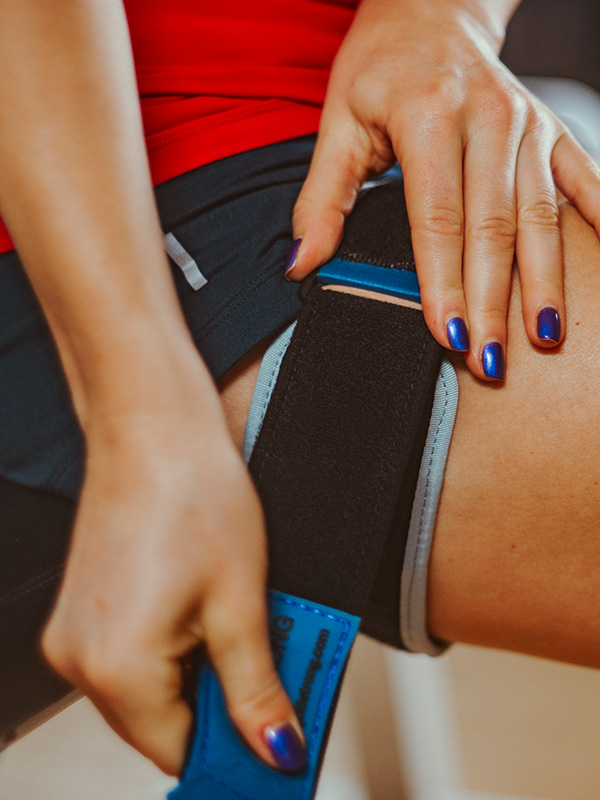
Blood flow restriction training, also referred to as “occlusion training,” involves the use of a pneumatic device, similar to a blood pressure cuff (or a similar device) to restrict (NOT cut off!) arterial blood flow during exercise. It feels very similar to how you feel when you get your blood pressure taken, just not as tight.
Why would I do blood flow restriction training?
For some patient populations, like those with advanced knee arthritis, it causes too much pain to lift heavy weight. One of the principle objectives in rehabilitation is to build strength. Well, building strength requires higher loads/resistance. Many patients cannot tolerate higher loading – those with arthritis, the elderly, or those that have loading restrictions. Blood flow restriction training enables similar gains in strength and muscle hypertrophy (muscle size) with less loading. Several studies have shown that using BFR with exercise has improved strength and hypertrophy more than those exercises alone (Takarada et al, J Appl Physiol 2000; Takarada et al, Jap J Physiol 2004; Yasuda et al, Metabolism 2006; Abe et al, J Appl Physiol 2006; Abe et al, Med Sci Sports Exerc 2004). Furthermore, studies have shown that BFR training has improved atrophy after ACL reconstruction (Takarada et al, 2000; Ohta et al, Acta Orthopaedica 2003; Takarada et al, Med Sci Sports Exerc 2000) and even on atrophy after immobilization(Wall et al, Acta Physiol 2014; Kubota et al, Med Sci Sports Exerc 2008; Cook et al, J Appl Physiol 2010). Finally, other studies have shown that BFR training leads to less tissue damagecompared to other traditional means of training (Loenneke et al, 2012). Traditional strength training may make muscles sore and usually, you need to wait 48 hours before training the same muscle groups again. With BFR training, because the loads are so low, you can train more often and the lighter loads are not likely to make you sore.
Despite all the support in the literature above, studies by both Giles et al (BJSM 2017) and Bryk et al (Knee Surg Sports Traumatol Arthrosc 2016) found that while BFR did help with pain relief, outcomes like strength improvement, atrophy, and functional testing showed no difference compared to traditional strength training.
How does it work?
Well, this is a complicated answer because it can get really boring talking about the cascade of metabolic changes that occur. In the absolute simplest terms, BFR helps increase production of muscle building hormones and substances in the blood stream (Takarada et al, J Appl Physiol 2000; Takarada et al, J Physiol 2004; Yasuda et al, Metabolism 2010; Abe et al, J Appl Physiol 2006; Abe et al, Geriatric Phys Ther 2010; Abe et al, MSSE 2004). Additionally, by limiting blood flow to muscles to muscles that need oxygen-rich blood to function (slow twitch fibers, or Type I fibers), the “fast-twitch” or Type II fibers, have to work harder (and fast twitch fibers aren’t as dependent on oxygen-rich blood like slow twitch fibers are). Fast twitch fibers are the muscles that produce the most force and are also the ones that we target when trying to get you stronger after an injury. Usually, it’s the fast twitch fibers that get the weakest and the smallest after injury or surgery.
How do you do Blood Flow Restriction Training?
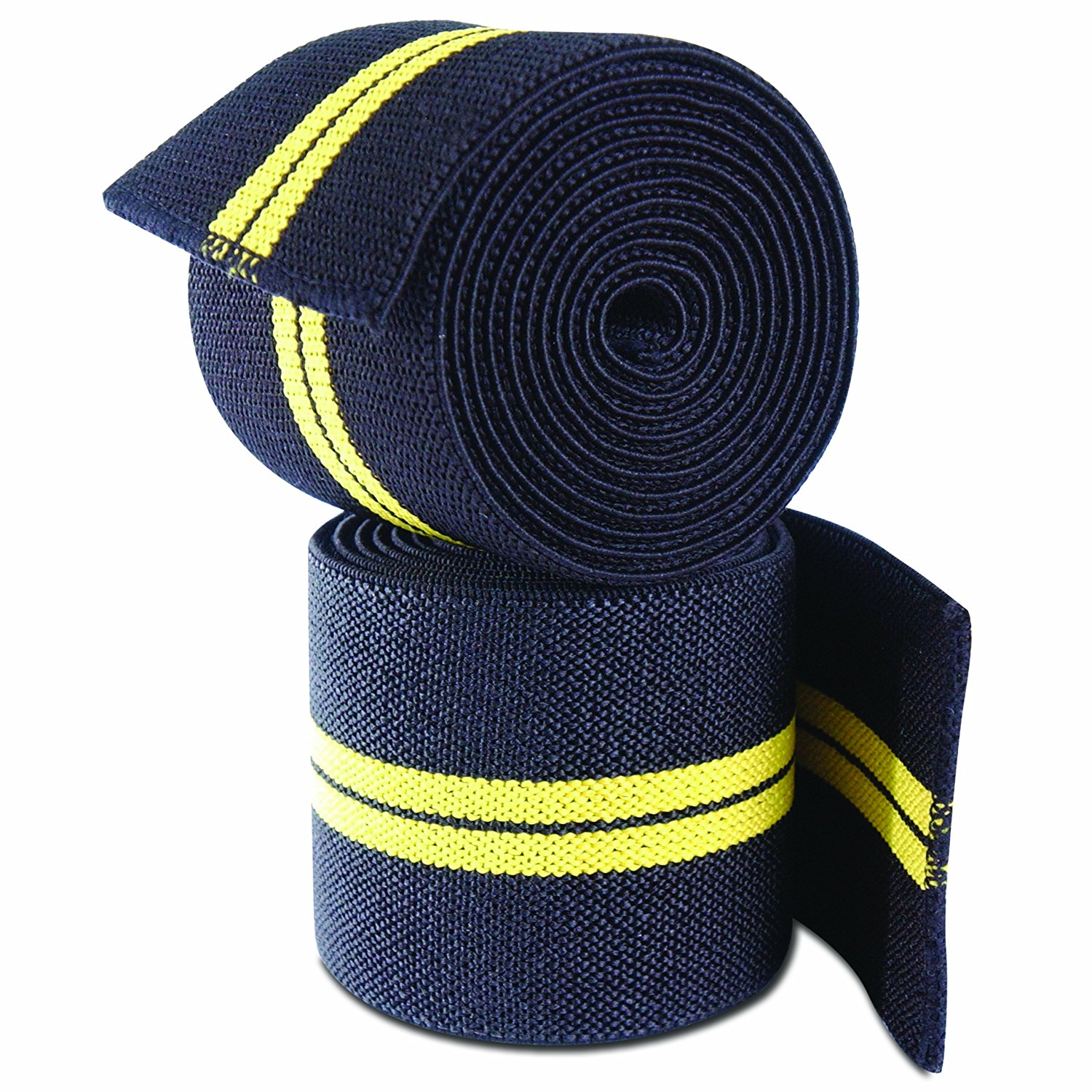
There are many devices that can be used for BFR training (Delfi, B Strong, Occlusion Cuff are the most common in rehabilitation settings). Some units cost upwards of $5000 and the most primitive types are knee wraps used in powerlifting/weightlifting. The more expensive units allow only one person at a time train with BFR, so it is not practical for teams or large groups. Plus, that can get expensive!! Fortunately, there are other options. In a study by Wilson et al in 2013, 12 trained males used knee wraps wrapped to a subjective 7/10 pain. Ultrasound imaging was used to confirm vascular occlusion, so this is an alternative method that is more budget-friendly. Using knee wraps, due to their cost and ability to be used with many athletes at once, is known as “practical BFR.” Another way is to use a BFR cuff around the thigh and find the pedal pulse. Pressure is increased until the pulse can no longer be palpated. Then, the clinician will take 60% of the systolic pressure and have the patient train at that intensity (Loenneke et al, J Appl Physiol 2013; Giles et al, BJSM 2017).We find that a majority of our patients fall in the 150-170 mmHg pressure. Lastly, thigh circumference can also be used as an estimate of pressure to utilize (Loenneke et al, Eur J App Physiol 2012). With a thigh circumference <45-50 cm, inflate to 120 mmHg; 51-55 cm, inflate to 150 mmHg; 56-59 cm, inflate to 180 mmHg; >60 cm, inflate to 200 mmHg. Basically, it will take more pressure to occlude a larger limb.
Because of lighter loads, the athlete/patient will do more repetitions. Normally, you do 30 repetitions the first set, then follow with 3 consecutive sets of 15 repetitions. Take a minute between each set. You don’t want the cuff/wraps on for any longer than 15 minutes. This does make exercise difficult to complete and make no mistake, it’s not comfortable! However, you should complete the 75 repetitions, or be really close to it. The wrap/cuff is too tight if you have numbness in the leg or can’t complete the prescribed repetitions.
Knee wraps normally used for wrapping knees for weight lifting can be used for “practical BFR.”
This doesn’t sound safe. Is BFR safe?
There’s always a few things to keep in mind. If you have varicose veins, are pregnant, have high blood pressure or cardiac disease, or have a current deep vein thrombosis (DVT) or a history of one, you should consult with your doctor. Other studies have been done on safety (Nakajima et al, Int J KAATSU Training Res 2006; Heitkamp et al, J Sports Med Phys Fitness 2015) and minimal to no negative have occurred and those effects were transient (brief numbness, petechiae on the skin). There have been reported case studies showing adverse effects (Noto et al, Internal Med 2017), but improper training methods were used, occluding for an hour every day. Surgical tourniquets are inflated for roughly two hours with a complication rate of 0.04% (Odinson & Finsen, JBJS Br 2006), so 15 minutes is far less than that. So, BFR is definitely safe if used correctly.
Blood flow restriction training may help you and enhance your recovery after injury or surgery. At SSOR, we utilize BFR training on specific patient populations. Not sure if it’s for you? That’s OK, we can talk about it! Fact is, traditional methods of training work just fine – this is just another means to an end. It would be a privilege to serve you and partner with you in your care. (913) 728-8599
When Was Your Appointment?
We recently changed bill pay providers. Please click the button for the date of your appointment to be directed to the correct online payment portal.