Please ensure Javascript is enabled for purposes of website accessibility

Category: Physical Therapy

  • How to treat arthritis in the neck naturally

    How to treat arthritis in the neck naturally

    When your neck is in pain, every head movement can make you wince. Many people feel a temporary ache in their neck when they sleep in an awkward position or they look down at their phone for too long. Other times, it can be a chronic condition that causes pain and stiffness in the neck.

    Arthritis can develop in nearly every part of the body, including the neck. If you have arthritis in the neck, it can affect your quality of life by making it painful to do simple movements, like turn your head while reversing your car or look at your co-worker at the neighboring desk. But there are many potential treatment options that can help without the need for steroids or medicine.

    We’ll cover what arthritis in the neck is and natural treatments that can help, including physical therapy.

    The basics of arthritis in the neck

    Arthritis of the neck, also known as cervical spondylosis, is a common type of osteoarthritis, affecting more than 85% of people 60 and older. It refers to gradual wear and tear that affects the discs in the cervical region of your spine located in your neck. 

    Arthritis in the neck means that there’s degeneration of the spinal discs as well as the bones and facet joint cartilage. As the discs weaken and wear away, it can cause a variety of symptoms, including:

    • Pain.
    • Stiffness.
    • Headaches.
    • Muscle spasms
    • Weakness in the arms and hands.

    Ways to naturally treat your arthritis in the neck

    There are different ways to treat pain, such as medication or a steroid injection. When it comes to the chronic neck pain that’s caused by arthritis, it may seem easy to just reach for a nonsteroidal anti-inflammatory drug, such as ibuprofen or naproxen, or ask your doctor for an injection. But many people prefer to treat their pain naturally to reduce the risk of side effects that may stem from synthetic chemicals.

    Here are a few common ways to naturally treat arthritis in the neck. Some may require the assistance of a health care professional, such as a physical therapist.

    • Hot and cold therapy — One of the most tried-and-true ways to have temporary pain relief at home is by alternating between cold and warm treatments. Use an ice pack on your neck for 20 minutes at a time to restrict the blood vessels and numb the area. A warm treatment, such as a hot compress, increases circulation and reduces stiffness.

    • Exercises — Strengthening and stretching exercises can go a long way in naturally treating arthritis symptoms in the neck. A physical therapist can walk you through safe and effective neck stretches to alleviate pain and decrease stiffness. There are also exercises that will improve the strength of the surrounding soft tissue to increase support.

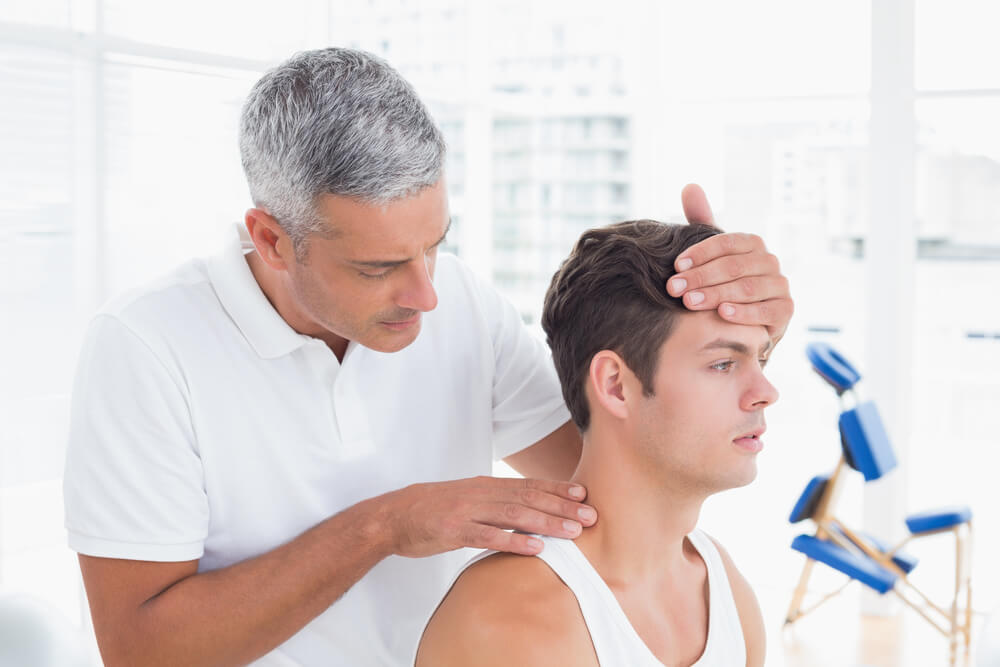
    • Manual therapy — A physical therapist can use their hands to manually manipulate the affected area and reduce pain. If you’re trying to naturally treat arthritis in the neck, a physical therapist will likely use soft tissue mobilization. This technique involves the therapist finding and breaking up scar tissue with their hands with massage-like movements.

    How physical therapy can naturally treat your arthritis in the neck

    As we mentioned earlier, a physical therapist can play a vital role in naturally treating your arthritis in the neck. Physical therapy is one of the best courses of action for treating arthritis pain because it can not only help alleviate the ache, but it can also improve the overall quality of the surrounding soft tissue to reduce the risk of future issues. 

    A physical therapist can help naturally treat your arthritis in the neck by designing a personalized treatment plan for you based on the severity of your symptoms and your physical capabilities. 

    Using a treatment plan, a physical therapist can help naturally treat your arthritis in the neck in several ways, including: 

    • Managing your pain and reducing the risk/severity of future flare-ups.

    • Increasing strength in the surrounding muscles to decrease pressure on surrounding nerves.

    • Teaching you stretching and strengthening exercises to practice at home between sessions.

    • Improving your posture to reduce stress on joints.

    Advent Physical Therapy can treat your arthritis in the neck naturally

    While modern medicine has come a long way over the past few decades, many people still prefer to treat pain with natural remedies. That’s why physical therapy has become one of the go-to options for people struggling with arthritis in the neck. 

    At Advent Physical Therapy, we want to help improve your quality of life by decreasing your arthritis pain and improving your neck’s range of motion.

    Call us or request an appointment today to naturally treat arthritis in the neck.
  • Pain in collarbone and neck: 7 possible causes

    Pain in collarbone and neck: 7 possible causes

    Dealing with pain in your collarbone and neck can be a distressing experience. It can have an impact on your daily activities as well as your overall well-being. This area of the body is made up of an intricate network of bones, muscles and connective tissue and can be susceptible to various issues. The good news is physical therapy is an option and can help you determine the underlying cause of your pain, as well as help alleviate the symptoms you’re dealing with.

    Possible causes of collarbone and neck pain

    Collarbone and neck pain can be due to a variety of underlying issues. It’s essential to identify the root cause of the pain to manage and treat the pain effectively. Potential causes can include:

    • Muscle strain — Muscle strain in the collarbone and neck can be caused by overuse, poor posture or sudden movements. The pain caused by muscle strain can be dull or sharp and also come with stiffness and tenderness.

    • Joint issues — Conditions like arthritis or joint inflammation can impact the neck and collarbone joints. These issues can lead to symptoms of pain, swelling and a reduced range of motion.

    • Nerve compression — Nerve compression in the cervical spine (neck) or shoulder region can happen when the nerves become compressed or pinched. This can lead to radiating pain, tingling or numbness.

    • Trauma or injury — Accidents, falls or direct impact to the collarbone or neck can cause immediate pain, swelling and bruising.

    • Poor posture — Sitting for prolonged periods of time with poor posture, especially with desk work or device usage, can lead to an onset of pain and stiffness.

    • Herniated disc — Discs in the cervical spine may become herniated. This places pressure on the nerves, resulting in symptoms like collarbone and neck pain.

    • Muscle tension and stress — Chronic stress can lead to muscle tension in the neck and shoulders. This can lead to tension in the neck and collarbone, headaches, and discomfort. 

    Treatments for collarbone and neck pain

    Treatments for collarbone and neck pain can involve various techniques to help alleviate discomfort and promote healing. These may include:

    • Rest and cold therapy — It’s important for healing to ensure that you allow your collarbone and neck adequate time to rest. Combining rest with cold therapy by applying an ice pack on the affected area can help reduce inflammation and help alleviate pain. Cold therapy can be particularly beneficial in the case of injury.

    • Medications — Over-the-counter pain medications like NSAIDs or prescribed analgesics can relieve temporary pain. Medications can also help reduce inflammation, which can also contribute to pain.

    • Physical therapy — Physical therapy can play a crucial role in helping to treat collarbone and neck pain. Your physical therapist can design a personalized plan to address specific issues. This plan can incorporate a variety of techniques chosen based on your specific issue and severity of pain.

    • Heat therapy — Applying heat, like a warm compress or heating pad, can help relax muscles and alleviate tension. This can be a beneficial treatment for muscle strain or tension-related pain.

    • Posture correction — Improving your posture through mindfulness or practicing posture-improving exercises can help prevent or alleviate chronic collarbone and neck pain.

    • Stretches — Specific stretching exercises can help target tight muscles and improve your collarbone and neck area flexibility. 

    Physical therapy for collarbone and neck pain

    Physical therapy for collarbone and neck pain can involve a variety of modalities designed to address specific issues and promote healing. Techniques can include:

    • Manual therapy — Manual therapy involves hands-on techniques used by physical therapists to manipulate joints and soft tissue. Soft tissue mobilization targets issues in the muscles, tendons and other connective tissue in the affected area. It can help alleviate muscle tightness, increase flexibility and reduce tension in soft tissue. Joint mobilization is the controlled movements of specific joints guided by a physical therapist. It can help improve joint flexibility, reduce stiffness and promote a better range of motion.

    • Therapeutic exercises — Therapeutic exercises can include strengthening and stretching exercises intended to strengthen muscles, improve joint stability, and boost overall functionality. These exercises can help address any limitations that are associated with collarbone and neck pain and can provide you with better mobility.

    • Electrical stimulation — Electrical stimulation uses low-level electrical currents to stimulate the muscles around the collarbone and neck area. These electrical currents can help reduce pain, decrease muscle spasms and improve muscle function. Electrical stimulation is often used in conjunction with therapeutic exercises to boost their effectiveness.

    • Dry needling — Dry needling is a technique performed by certified physical therapists. This technique involves the insertion of thin, sterile needles into trigger points within muscles. Dry needling can help stimulate the release of tension, increase blood circulation and promote the body’s natural healing processes. This can be effective in helping with muscle tightness. 

    Physical therapy can work together with other treatment approaches to help provide a comprehensive approach to collarbone and neck pain management. A physical therapist can tailor your treatment plan to your needs, considering the specific condition causing your pain and the severity of your symptoms. 

    SSOR can help you reclaim control over your well-being from collarbone and neck pain 

    At SSOR, we understand that collarbone and neck pain can significantly impact your daily life. Our dedicated team of physical therapists is committed to providing you with personalized, compassionate and effective treatments to help alleviate your discomfort and promote lasting relief. Through a combination of treatments, we strive to address the root cause of your pain and empower you on your journey toward improved mobility, reduced pain and improved quality of life. 

    Call us or request an appointment today to find relief from collarbone and neck pain.

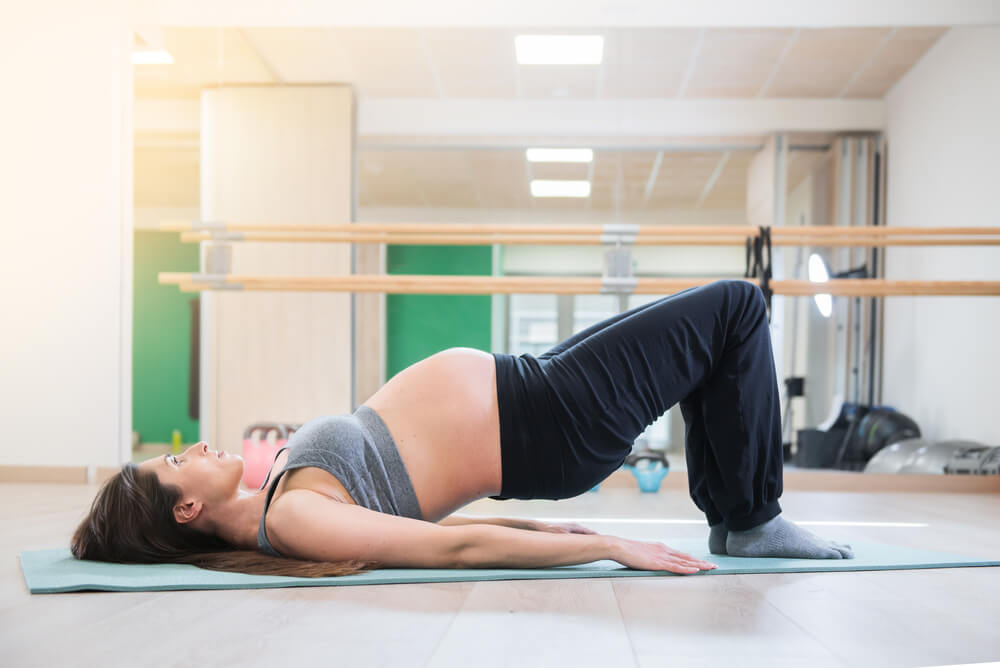
  • 6 steps physical therapists can take to treat hip pain during pregnancy

    6 steps physical therapists can take to treat hip pain during pregnancy

    Pregnancy can be an amazing and rewarding journey. That does not stop it from frequently coming with challenges, though. Hip pain, in addition to other kinds of discomfort, is a common occurrence during pregnancy. Hip pain during pregnancy can have many causes. Weight changes and issues in the pelvic floor are often contributing factors. When someone is pregnant, their body will prepare for labor and delivery by releasing special hormones. One hormone called relaxin can cause instability in the hips and pelvis. Instability in the lower body tends to cause pain and limit mobility. 

    If you are experiencing hip pain during pregnancy, it is important to find relief. Alleviating your hip pain can help you stay focused as you navigate each trimester. Physical therapists often play a pivotal role in helping people manage hip pain and other symptoms during pregnancy. Gaining a better understanding of different physical therapy strategies can be illuminating. In this blog post, you can learn more about how physical therapy can help you.

    How to address hip pain during pregnancy with 6 PT strategies

    • Postural assessment — Pelvic alignment issues can cause nagging hip pain during pregnancy. If problems with your posture and alignment are the root of your pain, physical therapy can help address your discomfort at the source. Posture-focused treatment begins with a comprehensive assessment. Your physical therapist will evaluate the way your biomechanics affect your pelvis and hips. Pregnancy can cause changes in the way you move through the world. When these changes occur, they can lead to postural issues. By correcting your posture, you can help reduce your pain and prevent further painful symptoms. 
    • Stretching exercises — Want a convenient and effective treatment option? Stretching can be a great choice. A licensed physical therapist can work with you to develop a stretching plan designed to address your personal concerns. Gentle stretches are typically used to target the hip flexors and glute muscles among others. These tailored exercises can help relieve tension in the hips. They are also meant to improve flexibility. If you are concerned about limited mobility, stretching can be highly beneficial. By helping improve your range of motion and comfort, stretching is a strong, well-rounded treatment method. 
    • Relaxation techniques — Being pregnant can be stressful. Physical therapy relaxation techniques are designed to help ease your stress, emotional and physical. Being relaxed tends to make stretching and tissue manipulation easier. As you progress on your physical therapy journey, applying relaxation techniques can help make other forms of treatment smoother and more productive. 
    • Pelvic floor exercises — Pelvic floor dysfunction can lead to many complicated symptoms. These include pelvic pain and hip issues. The pelvic floor is a complex system of muscles and other tissue that work together. The pelvic floor muscles play a crucial role in supporting your hips. When you are pregnant, the pelvic floor may be at greater risk for dysfunction. Pelvic floor exercises can help prevent issues that may lead to hip pain. Depending on your condition, your physical therapist may recommend and guide you through personalized pelvic floor exercises. 
    • Deep breathing — Breathing is essential for our moment-to-moment survival. This basic bodily function is vital for distributing oxygen as well as relaxing certain muscles. When you take a deep breath, your diaphragm expands and contracts. The movement of your diaphragm can lead to similar stretches in your pelvic floor muscles, relaxing them. By relaxing your muscles with controlled breathing techniques, you can reduce hip pain during your pregnancy. Your physical therapist can guide you through the most effective diaphragmatic breathing techniques. 
    • Manual therapy — Looking for hands-on physical therapy care? Manual therapy may be the right treatment option for you. By mobilizing and manipulating affected tissue, your physical therapist can use manual therapy techniques to promote rapid pain relief. Manual therapy techniques tend to have multifaceted benefits. They often encourage healing and build flexibility while alleviating pain. If you are experiencing muscle tightness in your hips during your pregnancy, manual therapy can be especially helpful. Techniques like soft tissue mobilization are specifically geared toward treating tense muscles and providing pain relief.

    Find relief from your hip pain during pregnancy at Continuum Wellness

    Hip pain during pregnancy is a challenging yet common issue. At Continuum Wellness, we are here to help you stay comfortable and healthy each step of the way. Our team can offer knowledge, treatment and resources to help you work toward your wellness goals. With our help, you can work to relieve your hip pain and maintain great pelvic health during your pregnancy.

    Call us or request an appointment today and let’s work together to ease any hip pain you’re feeling during your pregnancy.

  • 31 questions you should ask before joining a DPT program

    31 questions you should ask before joining a DPT program

    You have your sights set on becoming a Doctor of Physical Therapy (DPT), ready to jump into the world of healing and movement. It’s an exciting journey, but before you take the plunge, there are some important questions you should ask yourself and of the program you’re interested in. This can help you carefully consider which program is the best fit for you. 

    Questions to ask potential DPT programs

    When looking at potential DPT programs, many questions can be incredibly beneficial to help you decide on a program. Questions you want to ask can cover topics like curriculum, faculty experience, research opportunities and even campus life questions. These questions can help you get a good look at what your experience in the program could look like.

    Accreditation:

    Curriculum:

    • What is the curriculum structure for the program and how is it designed?
    • Are there specific focus areas or specialties offered within the program? 
    • How much clinical experience is integrated into the curriculum?
    • How long does the program last?

    Faculty, class size and diversity:

    • What is the faculty-to-student ratio? 
    • What are the qualifications and experiences of the DPT faculty members? 
    • How large is each class?
    • What efforts are made to help promote diversity and inclusion within the program for students and staff?
    • What is the process for selecting and training clinical faculty and preceptors?

    Clinical rotations:

    • How are the clinical rotations arranged, and what types of clinical settings will be available? 
    • Are students allowed to choose specific clinical sites or specialties for their rotations?
    • What are the levels of support and guidance provided to students during clinical rotations? 
    • How are clinical sites evaluated, and what feedback is provided to students?

    Licensure exam pass rates:

    Research opportunities:

    • Does the DPT program offer research opportunities for the students? 
    • Are students required or encouraged to participate in research projects?

    Facilities and resources:

    • What facilities and resources do students have access to, such as laboratories and research equipment? 
    • Do students have opportunities to access cutting-edge technology in the field? 
    • How is technology integrated into the program’s curriculum to help boost the learning experience?
    • Are there virtual or online components to the program?

    Student support services:

    • Are academic advising and counseling services readily available for students? 
    • Does the program have mentorship or peer support systems in place?

    Graduation and employment rates:

    • What is the graduation rate for the students in this DPT program?
    • What percentage of graduates go on to gain employment in the physical therapy field shortly after graduation?
    • Can the program provide information on the outcomes for their graduates, such as employment rates and salary ranges?
    • Can the program provide success stories or testimonials from program alumni?

    Cost and financial aid:

    • What is the total cost of the DPT program, including tuition and fees?
    • Are there scholarships, grants or other financial aid options available to students?

    Student involvement:

    • What opportunities outside of the DPT program are available to students, such as extracurricular activities, student organizations or professional development opportunities?

    Questions to ask yourself to help pick a DPT program

    In addition to asking questions about the prospective program, it’s important to ask yourself questions as well. It can help you be cognizant of your wants and needs to help you pick the best program to fit your aspirations:

    • What motivates you to become a physical therapist?
    • What’s your learning style?
    • What’s your ideal program duration?
    • Can you afford the cost of the program?
    • Do you have a specialty or focus that you want to go into for your career?

    Choosing the right Doctor of Physical Therapy program is an important decision that can significantly impact your education and future career. Before settling on a program, it’s essential to answer these crucial questions about the program and yourself. It’s also advisable to reach out to current students and alumni to help you get firsthand perspectives on their experiences in the program. This can help you ensure that the program you select will align with your goals and expectations. Ultimately, making an informed decision based on the answers to your questions can help you on your way to a successful and fulfilling educational journey in physical therapy. 

    Is narrowing down a DPT program posing a challenge for you? Back in Motion Physical Therapy is here to help 

    Need a partner to help you address challenges like how to decide on a DPT program? Back in Motion Physical Therapy of Alliance Physical Therapy Partners’ nationwide partnership in care is here for you.

    We’ll help you get the support you need on your way to becoming a newly graduated physical therapist or physical therapy assistant. Even better, you’ll get full access to our employee support services while still maintaining full control over how you’re working to improve your skills. 

    Find out if our Alliance PTP partnership has a career opening for you today.

  • 17 common PT school interview questions you should be prepared for

    17 common PT school interview questions you should be prepared for

    The decision to apply to a physical therapy graduate program is a significant step toward a rewarding career. When applying, you can also expect that there will be an interview stage of the process. The interview can be your opportunity to shine a light on your knowledge and skills. It can also allow you to ask questions about the school and program. A successful PT school interview can help assess your academic qualifications, interpersonal skills, ethical reasoning and commitment to the profession. 

    General questions

    “Why are you interested in physical therapy versus other health-related fields?”

    • Take this time to discuss the unique aspects of physical therapy that interest you. You could mention a personal experience that helped spark your interest in the field. You may also include the approaches of physical therapy that appeal to you over other health care professions.

    “Which patient population would you like to work with?”

    • Share your preference, but also show that you are flexible. You can discuss any experiences or coursework that helped influence your decision. 

    “What are your main motivations for pursuing a physical therapy degree?”

    • Other than your desire to help people, what motivates you to pursue your path? It could be the potential to directly impact your patients, the evolution of the field or even the opportunity to help others advance in their rehabilitation.

    “How do you define success in your life?”

    • Share your personal definition of success, making sure to consider your professional and personal aspects. You can discuss how achieving success in your physical therapy career can align with your values and long-term goals. 

    “What are your greatest strengths and weaknesses?”

    • You can provide examples of how your strengths have positively influenced your experiences in the academic and professional setting. When you discuss your weaknesses, you can focus on how you’ve recognized them and are working to improve them.

    Experience and knowledge questions

    “How did your undergraduate degree prepare you for an advanced physical therapy education?”

    • Discuss any transferable skills you gained during your undergraduate studies. Detail how these skills, like critical thinking or effective communication, can contribute to your success in physical therapy school.

    “What kind of clinical experience do you have?”

    • Share an overview of your clinical experiences, including any internships or hands-on opportunities. You can reflect on how these experiences helped confirm your passion for physical therapy and develop your clinical skills.

    “Tell me about your shadowing or volunteer experiences.”

    • Share the variety of settings you’ve volunteered or shadowed in. You can share any specific patient interactions or cases that have impacted your understanding of the field. 

    “What did you learn from your clinical or shadowing experience?”

    • Share the valuable lessons you have gained from observing and interacting with experienced physical therapists. You can discuss insights into patient care, interdisciplinary collaboration, and the day-to-day challenges and rewards of the profession. 

    “What do you do when you don’t understand a concept in class?”

    • Outline how you approach seeking clarification. Do you seek clarification through discussions with professors, peer collaboration or doing further research? You can show off your proactive attitude toward overcoming academic challenges. 

    Personality questions

    “How do you handle stress?”

    • Describe how you cope with stress and showcase your ability to maintain your composure and focus during a demanding situation. 

    “How would you describe your work ethic?”

    • Share examples from your academic and professional settings that can illustrate your strong work ethic. 

    “What would make you a great physical therapist?”

    • Share the qualities, skills and values you believe contribute to making you an exceptional physical therapist.

    Ethical and future outlook questions

    “What would you do if you saw one of your classmates cheating on an exam?”

    • Share your commitment to academic integrity and ethical conduct. 

    “If you could improve one thing about the health care system, what would it be and why?”

    • Give your perspective on a specific aspect of the health care system you believe needs to be improved. You can also share a potential solution and how your role as a physical therapist can help contribute to these changes.

    Physical therapy program-specific questions

    “What made you decide to apply to this specific program?”

    • Be honest about the factors that influenced your decision to apply. These could be the faculty expertise, specialized resources or even a particular focus that aligns with your career goals. 

    “What can you offer our graduate program and the physical therapy profession?”

    • Highlight your unique strengths, experiences and perspectives that you believe can help you contribute to the program. Discuss how your contributions can extend beyond the classroom to help benefit the profession. 

    This can be a peek into questions you can expect in an interview to join a physical therapy graduate program. The key to acing any interview is to be calm and collected and answer the questions as honestly as possible. Your interviewer wants to get to know the real you. They don’t want to hear the answers you think they want to hear. Being honest can help you both decide if you are a good fit for a program. Take a deep breath, and good luck!

    Is applying to physical therapy graduate school posing a challenge for you? Peak Performance is here to help 

    Need a partner to help you address challenges like physical therapy graduate school interviews? Peak Performance is in your corner. We’re aware (as physical therapy providers) that it can be tough to get into and finish PT school. But we also know how important it is for the PT field to have more great physical therapists. That’s why we want to help provide support for not only recently graduated physical therapists but also people who are trying to get their DPT degree. We’ll help you get the support you need as a newly graduated physical therapist or physical therapy assistant. Even better, you’ll get full access to our employee support services while still maintaining complete control over how you’re working to improve your skills.

  • Motorcycle injury treatment: What to expect

    Motorcycle injury treatment: What to expect

    Riding a motorcycle puts you at a significantly higher risk of sustaining potentially fatal injuries in an accident. In fact, motorcyclists are 4 times as likely to sustain an injury on the roads and 24 times more likely to experience fatal injuries than car passengers. 

    Are you one of the many who’ve experienced a motorcycle injury? Here are some of the most common causes and what you can expect from treatment.

    What are some of the most common types of motorcycle injuries?

    Many motorcyclists will experience a motorcycle accident at some point during their lives. Motorcycles are notorious for causing various traumatic physical injuries, even when the motorcyclist takes the proper precautions, like wearing a helmet. Typical injuries include:

    • Spinal injuries — Injuries to the spine are frequent among those who get hurt riding motorcycles. The spine is especially vulnerable during motorcycle accidents. Riders may experience broken vertebrae, herniated discs, and even paralysis. 
    • Whiplash — Whiplash occurs when the head and neck lurch forward and then backward too fast. It can cause significant pain in the neck and a limited range of motion. 
    • Broken bones — Many victims of motorcycle accidents sustain bone fractures. Broken arms, legs, vertebrae, and ribs are all typical injuries among motorcyclists. 
    • Strains and sprains — Falling off a motorcycle, getting pinned underneath it, and colliding with other vehicles can cause a variety of strains and sprains as a result. 
    • Traumatic brain injury (TBI) — Traumatic brain injuries include concussions, brain bleeds, skull fractures and more.

    How can physical therapy treatment help someone with a motorcycle injury?

    Physical therapy is a great treatment option if you have a motorcycle-related injury. Therapists work to determine the severity of an injury and how they can help you reach recovery. Here are some of the goals of physical therapists as they help you work toward recovery:

    • Relieve pain — Physical therapists often use soft tissue mobilization for this type of injury. The technique promotes healing, reduces inflammation and improves pain levels. 
    • Build strength — After an injury, the muscle surrounding the injury will often weaken and atrophy. PT can be helpful for building muscle without placing extra strain on the body. 
    • Improve range of motion — Physical therapy is useful for improving range of motion in stiff areas of the body. Inactivity after an injury can lead to stiffness; however, that stiffness can be remedied during PT sessions. Joint mobilization, soft tissue mobilization and other PT techniques can be used for this purpose. 
    • Break up scar tissue — If you’ve developed scar tissue months and even years after a motorcycle injury, PT can help you break up excessive scar tissue growth. The tissue that forms after sustaining an injury can grow in excess and limit mobility and range of motion. Fortunately, physical therapists have the tools and techniques to break up that scar tissue and improve mobility. Many physical therapists use a technique called instrument-assisted soft tissue mobilization (IASTM) to treat excessive scar tissue development.

    Advent Physical Therapy can help you recover from your motorcycle-related injury

    If you’re experiencing pain or discomfort from an injury you sustained during a motorcycle accident, our physical therapists can help. At Advent Physical Therapy, we use a variety of evidence-based PT treatments to help each one of our patients improve their physical condition.

    Our patients’ health and wellness are our first priority at Advent Physical Therapy. We understand how much your health means to you, and we want to help you reach your unique goals. If your motorcycle injury is causing you trouble — even years after an accident — we’ve got you covered. We’re a team-oriented group of professionals who work with each of our patients jointly to create the best outcomes for all. 

    We can help you create a treatment plan to optimize your health. Advent PT values building relationships with our patients and helping them prevent pain and injury from recurring. If you are interested in starting treatment with us, let us provide a free screening to help us address your health concerns.

    Contact our team today for more information on how we can help with your motorcycle injury or to schedule an initial appointment with us

  • What is an HEP in physical therapy?

    What is an HEP in physical therapy?

    Everyone should prioritize exercise in their day-to-day life, especially if they’ve been injured or they’re struggling with a medical condition that’s reducing their mobility. Once your patients learn about the proper exercises at your practice, it’s important that they continue doing their therapeutic exercises between sessions at your clinic. That’s why your physical therapy practice should offer HEPs to help maximize their results.

    HEP stands for home exercise program, and they are beneficial to nearly every single one of your patients. It’s important to learn about the purpose of a physical therapy HEP and how to design one.

    The purpose of a HEP in physical therapy

    A home exercise program is a staple in nearly every physical therapy treatment plan. The goal of a HEP is to ensure that your patient continues to improve their strength, flexibility and range of motion between their physical therapy sessions. If they don’t continuously work to improve, they could undo some of the progress that’s been made during sessions.

    A HEP should complement the techniques and treatments that you’re doing in the clinic. By providing them with a home exercise program, you are encouraging them to hold themselves accountable for their health and wellness while providing them with independence. 

    How to design a HEP in physical therapy

    The HEP should be just as personalized as the patient’s treatment plan. When you’re designing a HEP in physical therapy, there are a few factors that you should keep in mind when determining which exercises to include:

    • Cause of pain and reduced mobility.
    • Severity of symptoms.
    • Medical history.
    • Physical ability.
    • Access to additional equipment.

    It can include a mix of different exercise therapy methods, including:

    It’s important to clarify how often each exercise should be practiced and how many sets need to be completed each time. 

    Alliance PTP’s caring, effective and committed PT partnership can discuss HEPs in physical therapy and much more

    Caring. Effective. Committed. These aren’t words that come to mind when you think about physical therapy partnerships, but Alliance Physical Therapy Partners is here to change that. 

    Our committed team has built a highly effective nationwide partner network. This network includes unique PT practices that are staffed by caring physical therapists who are ready to provide patients with effective, personalized care for their needs. We’re also committed to helping our partners identify, plan for and address obstacles like designing  HEPs for physical therapy patients.

    Still not sure if partnering with Alliance PTP is the right move for your PT practice? Take this quick quiz to find out if our partnership in care is right for you, or contact our team today to learn more about our caring, effective and committed Alliance PTP partnership.

  • Breaking up scar tissue with physical therapy

    Breaking up scar tissue with physical therapy

    Scar tissue can develop due to injury, trauma or surgery. Scar development is completely normal, occurring when the fibrous tissue replaces normal tissue during the body’s natural healing process. Scar tissue is less elastic as the healthy tissue it replaces. While its purpose is to help heal and protect the body, it can also restrict the supply of oxygen and nutrients to the surrounding soft tissue. Scar tissue may be visible on the exterior of the body, or internally and unseen. It also can come in a variety of textures, colors and flexibilities. The good news is, if you are experiencing scar tissue pain, or need help with scar tissue buildup, physical therapy can help. 

    Types of scar tissue

    Scar tissue can come in a variety of types including:

    • Keloids — Keloids are thick, bumpy, red scars that can form after any kind of injury. These types of scars are common on the chest, shoulders and upper back.

    • Hypertrophic scars — Hypertrophic scars are the most common scars after healing from a cut or scrape on the skin. They are thick and raised, but not as much as keloids. Hypertrophic scars can fade on their own over time without intervention.

    • Atrophic scars — These scars are also known as “depressed scars.” They can look like small holes or pits in the skin. They can be caused by cystic acne or chickenpox. They can become more noticeable as a person ages.

    • Adhesions or internal scars — Internal scars develop after surgery, muscle tears or broken bones. They form as a part of healing to help the body remain as healthy and strong as possible.

    • Stretch marks — Stretch marks are a common type of scar. They happen when a person loses or gains weight too quickly, causing scar tissue to develop. These occur on the stomach, breasts, upper arms and thighs.

    • Flat scars — These are not as noticeable as other kinds of scars. They can appear pink, purple, or red at the beginning of the healing process. They can eventually become lighter and blend in with the surrounding skin.

    • Contracture scars — Contracture scars are common following burn injuries. They are tight and can affect mobility. 

    Scar tissue can lead to chronic pain

    Scar tissue is not always painful, but it can become painful over time. This can be due to the nerves of the area being destroyed or damaged during the tissue damage. Over time, scar tissue can become painful. The pain can vary based on the severity of the initial damage and the location of the damage on the body. Symptoms of scar tissue pain can include:

    • Inflammation.
    • Itchiness.
    • Redness.
    • Sensitivity to touch.
    • Reduced range of motion.
    • Throbbing. 

    How physical therapists break up scar tissue

    Physical therapists have a variety of treatments to assist with breaking up scar tissue. These techniques are intended to help alleviate pain and improve your mobility. Physical therapy techniques that can be beneficial include:

    • Instrument-assisted soft tissue mobilization (IASTM) — Physical therapists can use IASTM to help break up scar tissue. Using specially designed stainless steel instruments to help break up scar tissue, the physical therapist can help improve your range of motion, reduce your pain and improve your soft tissue function. A common IASTM technique is the Graston Technique®. The Graston Technique is often used when the scar tissue is affecting your joint mobility.

    • Manual therapy — Soft tissue mobilization is a manual therapy technique that is used to help break up scar tissue. It is a hands-on technique involving the gentle manipulation with deep, firm pressure by the physical therapist’s hands. It is intended to help increase blood flow. Increased blood flow can help bring oxygen and nutrients to the scar tissue and help break it down.

    • Trigger point therapy — Trigger point therapy is a hands-on physical therapy technique where the physical therapist will place pressure on trigger points to help break down the scar tissue in muscles. It can help improve range of motion and help alleviate pain.

    • Myofascial release — Myofascial release is a hands-on technique. The physical therapist will knead around the scars, feeling for the tissue adhesions. They can then use their hands to help break up the adhesions, which can then promote healthy tissue growth.

    • Stretches and exercises — Certain stretches and exercises can help break up new scar tissue. These therapeutic exercises can stretch your muscles, helping break up adhesions. 

    Physical therapy can help decrease the pain you are experiencing from scar tissue. It can also help to improve your flexibility and mobility around the scar tissue area, help you regain sensation if you have experienced any nerve impingement, and can help you rely less on pain medication for pain relief. 

    Panther Physical Therapy can help you with your scar tissue issues 

    If you are experiencing difficulties or pain from your scar tissue, Panther Physical Therapy can help. Our expert physical therapists can help you break up your scar tissue, allowing you to live with improved mobility and lessened pain. Scar tissue is a normal part of healing, but dealing with the chronic pain it can cause doesn’t have to be a normal part of your life. 

    Contact our team today for more information about breaking up scar tissue or to schedule an initial appointment.

  • Pain on outside of lower leg above ankle: Here’s what it could be

    Pain on outside of lower leg above ankle: Here’s what it could be

    The lower leg is the part of the leg that is between the knee joint and ankle joint. It works with the upper leg and foot to help you perform movements. It is made up of bones, tendons, muscles, ligaments, nerves and blood vessels. If you are experiencing pain in your lower leg above your ankle, it could be due to a number of factors. It is important to identify the source of your pain so the issue can be identified correctly. This will allow you to seek and receive the appropriate treatment to provide you with the best recovery.

    Symptoms of pain on the outside of your lower leg above the ankle

    You may be experiencing one or more symptoms of pain in your lower leg. It is important to communicate any pain with your health care provider or physical therapist so they can get to the underlying issue. Symptoms you may be experiencing can include:

    • Sharp and stabbing pain.
    • Achy and dull pain. 
    • Radiating pain. 
    • Tenderness. 
    • Swelling. 
    • Stiffness. 

    Causes of lower leg above the ankle pain

    The pain you are experiencing on the outside of your lower leg above your ankle could be caused by several issues. Common issues include:

    • Shin splints — Commonly known as shin splints, medial tibial stress syndrome can cause pain on the outside of your lower leg. Shin splints can occur due to overuse of the muscles that are attached to the tibia bone. This overuse commonly occurs from activities like running or jumping. 
    • Ankle sprain — It is possible for the pain you are experiencing in your lower leg to actually be caused by an ankle sprain. This is due to the ligaments on the outside of your ankle that run from your ankle joint up into your lower leg. 
    • Tendinitis — Tendinitis, an inflammation of the tendons, is often caused by overuse or wearing improper footwear for the activity you are participating in. It can affect the Achilles tendon or the peroneal tendon. 
    • Osteoarthritis — Osteoarthritis can affect the ankle joint. This can lead to pain on the outside of the lower leg as well. Osteoarthritis is due to the wear and tear of a joint, for example the ankle, and causes pain. 
    • Nerve impingement — If a nerve in your lower leg or ankle becomes compressed or entrapped, it can lead to radiating pain on the outside of your lower leg. 
    • Stress fracture — A stress fracture in the bones of your lower leg could be the culprit behind your pain. A stress fracture is a tiny crack in the bone caused by a repetitive impact activity. This can be due to overuse or changes in intensity of activity. 
    • Cuboid syndrome — The cuboid is a bone in the foot that can become displaced. When this bone is displaced, it can cause pain along the outside of your lower leg. This can be caused by overuse or ankle injuries. 

    Can physical therapy help lower leg above the ankle pain?

    The good news is physical therapy can help you with your lower leg above the ankle pain. A physical therapist may use a number of techniques and modalities in your treatment sessions. These will be chosen depending on the condition behind your pain and what your therapist thinks will benefit you the best. Physical therapy techniques that can help your lower leg above the ankle pain can include:

    • Soft tissue mobilization — Soft tissue mobilization is a manual therapy technique that involves a physical therapist applying pressure and manipulating the soft tissue of the lower leg. This can help improve circulation, reduce muscle tension and break down scar tissue. Soft tissue mobilization can be an effective treatment for ankle sprains, peroneal tendinitis and nerve impingement. 
    • Joint mobilization — Joint mobilization is a manual therapy technique where a physical therapist uses gentle movements to manipulate a joint. This physical therapy technique is intended to help improve your range of motion and can also help to reduce your pain. Joint mobilization can be a beneficial treatment for osteoarthritis. 
    • Electrical stimulation — Electrical stimulation uses low-level electrical currents to help stimulate nerves and can disrupt pain signals. It can also help with muscle tension and reduce muscle spasms. Electrical stimulation can be a beneficial treatment for osteoarthritis and nerve impingement. 
    • Therapeutic exercise — Therapeutic exercises are intended to help you improve your range of motion, strength and flexibility. These exercises will be selected by their ability to best help improve your condition, your needs and the goals of your treatment sessions. Therapeutic exercises can be beneficial in helping shin splints and osteoarthritis.  

    Continuum Wellness can help ease your pain in your lower leg 

    Our Continuum Wellness team of expert physical therapists can help you with your pain in your lower leg. Pain and discomfort shouldn’t put a damper on your quality of life. We can help diagnose the underlying issue of your pain and design a custom treatment plan to support your recovery. The goal of our treatment is to help you make strides to improve your quality of life and help you alleviate the pain you are experiencing. 

    Contact our team today for more information or to schedule an initial appointment.

  • How is orthopedic physical therapy different from regular PT?

    How is orthopedic physical therapy different from regular PT?

    Common problems like back pain are often caused by underlying musculoskeletal conditions. When addressing issues in the musculoskeletal system, physical therapy can be vital. General physical therapy covers a broad range of conditions, yet sometimes an orthopedic specialist is necessary.

    Orthopedic physical therapy is a specialized area within the field of physical therapy. Specialists in this area focus on diagnosing and treating musculoskeletal conditions. Want to understand the key differences between orthopedic physical therapy and regular PT? By learning about these differences, you can make more informed decisions about what kind of care can meet your needs.

    7 ways orthopedic physical therapy differs from regular physical therapy

    • Musculoskeletal focus — Orthopedic PT is all about helping with bone and muscle problems. It can treat different health issues including major musculoskeletal injuries. If you have fractures, strains or sprains, orthopedic PT can be a great choice. Not sure if your symptoms are because of bone or muscle issues? An orthopedic specialist can help figure it out. Orthopedic specialists can help diagnose niche conditions. Other therapists may not be trained to look out for symptoms of rarer musculoskeletal issues. This makes choosing the right provider for your condition essential. 
    • Specialized training — Some physical therapists focus on specific areas of their field. This typically requires extra training. Orthopedic physical therapists undergo rigorous training before practicing. Specialists need to be certified to work in orthopedic therapy. Certifications show that they have an in-depth understanding of orthopedic anatomy. Specialists also keep learning about new and effective treatments. Their knowledge helps them use advanced strategies for treatment. 
    • Postoperative rehab — Physical therapy is often essential for a healthy recovery after surgery. A musculoskeletal specialist can help make your recovery speedy and complete. Operations such as joint replacements and ligament repairs are orthopedic surgeries. This means an orthopedic physical therapist can be a great fit after these operations. A specialist can work with you to make an informed recovery plan. A personalized recovery plan and care routine is important. Customization can ensure that your treatment lines up with your condition and recovery goals. 
    • Manual therapy emphasis — Orthopedic PT often focuses on manual therapy. This is a hands-on treatment method performed directly by a specialist. By mobilizing joints and tissue, an orthopedic physical therapist can improve blood flow to improve healing. This method can also improve flexibility in stiff joints. Some specialists also use manual modalities. These include instrument-assisted soft tissue mobilization (IASTM). This is a type of manual therapy where metal instruments are used to break up tense tissue fibers and scar tissue. Many physical therapists with focuses across the field use manual therapy. Orthopedic physical therapy is distinct for its greater emphasis on these techniques. Using manual therapy, a trained specialist can effectively address many specific orthopedic issues. 
    • Sports-related injuries — Athletic activities can come with risks. High-impact sports can lead to major injuries that need physical therapy. Other energetic activities like running or biking can also lead to injury. When you injure a muscle or bone, specialized treatment can be helpful. Orthopedic PTs are trained to treat muscle and bone injuries with a range of techniques. An experienced provider can offer effective injury management care. This can be instrumental in making your injury recovery a success. 
    • Injury prevention — Physical therapy can be great for injury recovery. It can also help prevent those injuries in the first place. Many orthopedic physical therapists focus on injury prevention strategies. They can educate patients on proper body mechanics. This knowledge can reduce issues caused by poor posture and exercise technique. As you progress in your treatment, you can learn new orthopedic stretching and strengthening exercises. These can prepare you for the future and help you avoid injury. 
    • Performance enhancement — Are you an athlete? If so, you may be looking to take your performance to the next level. Many orthopedic physical therapists offer performance enhancement services. These programs focus on improving strength, endurance and agility. Orthopedic specialists should be equipped with a deep knowledge of the body’s muscles. This enables them to recommend exercise strategies that target your weaker areas. By strengthening these areas, you can improve your overall physical condition. With the help of orthopedic care, you can work to optimize your performance.

    Find effective and affordable orthopedic care from an Alliance PTP partner

    Orthopedic physical therapy can be an effective and affordable way to care for your musculoskeletal condition. You just need the right partner to provide it. 

    Alliance Physical Therapy Partners has you covered. We can help you find a PT clinic near you that’s staffed with experienced and caring orthopedic physical therapists. 

    Prefer to meet with a physical therapist virtually? We’ve got you covered there, too. 

    Reach out to us today so we can help you find the orthopedic physical therapy that works best for your needs.

  • Does physical therapy work? The science behind the treatment

    Does physical therapy work? The science behind the treatment

    If you have never been to physical therapy before, you may be curious if physical therapy works, especially if you have been suffering from chronic pain. Surgery and medication don’t always have to be the answer to any pain you may be experiencing. Physical therapy can provide you with pain management safely and effectively. Physical therapy can be for clients of all ages and medical history backgrounds. 

    What is physical therapy?

    To understand if physical therapy works, you need to know what it is. Physical therapy is treatment aimed at helping to ease pain caused by disease, injury or deformity by physical methods instead of through surgery or medications. It also can help you learn to move better, function better, and live a more quality life. A physical therapist performs physical therapy.

    A physical therapist is a highly educated and certified health care professional who is a movement expert and specialist helping you improve your life from medical issues or injuries affecting your daily life. Physical therapists attend graduate school to become licensed specialists in their field. They can diagnose and treat specific injuries, disabilities, and health conditions. They can also provide wellness care to boost your fitness and well-being. On average, a physical therapy clinic can see 100 to 200 patients a week, resulting in an estimated 300 million therapy sessions conducted annually in the United States.

    How does physical therapy work?

    While every person is unique in personality, there are similarities in how the human body works for everyone. Every person has muscles connecting to tendons, tendons connecting to bones, and bones that create the skeletal structure that supports us as we move. 

    Physical therapists are experts in the science of movement. Combining their knowledge of how and why the body moves the way it does with their client’s personal medical history, the physical therapist can then personalize a care plan to help each person reach their goals. 

    As movement experts, physical therapists can identify how issues you’re experiencing are causing pain by watching you go through movements. Knowing and understanding how the body’s different systems are interconnected and work together, they can find the origin of your issue. Pain in one location doesn’t always mean that is where the problem is. For example, knee pain can result from issues in the ankle or hip, not necessarily the knee itself. According to one study, approximately 29% of those who came in with knee pain were found to actually have osteoarthritis in their hip causing the knee pain. 

    Physical therapy is about helping you to restore your ability to move in the best possible way. Your physical therapist can guide you through corrective exercises and use other modalities designed to aid you in your recovery. For example, a study shows that the success rate of physical therapy for a neck problem can be up to 75% in helping with pain relief. 

    Physical therapy treatment plans are as unique as the individual they’re prescribed for. One plan that fits all is not how physical therapy works. Hydrotherapy may be ideal for one person’s condition, while soft tissue mobilization best benefits another person’s condition. Your physical therapist will choose a treatment plan that will work best for you and your symptoms.

    The 2 basic categories of physical therapy methods

    Physical therapy works by using various methods to help restore a person’s mobility, function and strength. Physical therapy methods fall into these categories:

    • Active therapy — Active therapy methods involve exercises that actively require physical exertion from you. These exercises are designed and intended to help strengthen your muscles and help improve your range of motion during recovery. Active therapy exercises can include: resistance exercises, range-of-motion exercises, stretches, strengthening exercises, and aerobic exercises. 
    • Passive therapy — Passive therapy methods are treatments done to you rather than involving movement on your part. These can include your physical therapist manually manipulating your muscles or joints to help improve your mobility and loosen tension. This can be beneficial before transitioning into active therapy. Passive therapy treatments can also include heat and cold therapies, electrical stimulation, and dry needling. 

    Who can benefit from physical therapy?

    Physical therapy is often associated with surgery recovery or severe injury rehabilitation. However, it has been proven in studies to be beneficial for many other needs and conditions, too. Some other conditions that may be helped by physical therapy include:

    • Cardiopulmonary conditions — Cardiopulmonary conditions such as cystic fibrosis and chronic obstructive pulmonary disease can be helped with physical therapy treatments. Heart disease is the leading cause of death globally, causing 17.8 million deaths in 2017. Physical therapy can be beneficial for the improvement of exercise ability, improved endurance, and can help your overall health. 
    • Musculoskeletal issues — Issues caused by musculoskeletal dysfunctions like back pain or rotator cuff injuries can be helped. In a study from 2011-2013, those who had physical therapy for lower back pain had better results than those in the control group who did not receive physical therapy. 
    • Women’s health — Conditions experienced by females, such as pelvic floor dysfunction, can be helped by working with a physical therapist. 
    • Hand conditions — Conditions of the hand, like carpal tunnel syndrome or trigger finger, can be improved through physical therapy. 
    • Neurological conditions — Many neurological conditions, such as stroke recovery, Parkinson’s disease, spinal cord injuries, and traumatic brain injuries, can be helped through physical therapy treatments. 

    SSOR can help you with your recovery or wellness goals

    Our SSOR team of highly educated and licensed physical therapists is here to help you learn how physical therapy works and can help you with the issue you are experiencing. From surgery recovery to a sore shoulder, our physical therapists can provide a free screening and formulate a personalized treatment plan. We strive to provide the best care to our clients and help them work to achieve their health goals. 

    Contact us today for more information or to schedule an initial appointment.

  • What to expect from a physical therapy evaluation

    What to expect from a physical therapy evaluation

    Have you ever seen a physical therapist for treatment? For most people who haven’t gone through therapy before, it can be overwhelming to think about going for the first time. Especially if you don’t know what to expect. If you’re a first-time patient, here’s what you can expect from your first physical therapy evaluation.

    What conditions can physical therapy specifically help?

    • Joint conditions
    • Muscle conditions
    • Bone conditions
    • Old injuries
    • Orthopedic conditions
    • Neuromuscular conditions
    • Athletic injury and athletic injury prevention

    Why are physical therapy evaluations so important?

    An initial physical therapy evaluation is an important part of physical therapy treatment. It’s necessary for your physical therapist to perform an initial evaluation so that they can get a better understanding of what your current physical condition is. It helps them assess what you’re in physical therapy to treat or address and what your unique therapy goals will be. 

    An evaluation is so important because it’s the time when the therapist and patient communicate expectations and desired outcomes. Evaluations help therapists develop a personalized treatment plan designed to treat the patient’s unique needs specifically and create a more productive outcome.  The initial evaluation provides a baseline to track progress, and small evaluations will be made by the therapist over the course of the patient’s treatment. That way, both parties know what improvements are being made during their sessions together. 

    What can you expect from a physical therapist’s evaluation, and how can you prepare for it?

    If you’re new to physical therapy, you may be nervous or unsure what to expect. You might even have some questions you’re hoping to get answered. Generally, there are a few things you can expect during your first session at therapy. Here’s what you should be prepared for during your physical therapy evaluation:

    • Be sure to describe and discuss your condition — One of the first things that you can expect from your physical therapist is that they’ll ask you to provide a detailed description of your condition. They’ll want to know what you’re dealing with currently and if you’re in any pain or discomfort. If you are dealing with some sort of condition, they’ll ask you to describe your symptoms. 
    • Be ready to present your medical history and medications — Next, you should be ready to disclose your medical history and any medications you’re currently taking. This is to provide your therapist with some extra context. They’ll need to know if there are any areas of the body or treatment techniques to avoid or strengthen depending on what your unique medical history is. 
    • Wear loose, open clothing around the area you’re getting treated — When you go into your initial evaluation, your therapist will also prefer that you wear loose, open clothing around the area you’ll be receiving treatment for. You should be sure to avoid wearing tight-fitting clothing that covers up the area you’re getting treatment for. It’s likely that your therapist will need access if they’re performing soft-tissue manipulation or some similar type of manual treatment during your sessions. 
    • Expect your therapist to take some measurements — You can also expect your therapist to want to take measurements during your initial evaluation. They may measure your strength levels, mobility, range of motion, flexibility, balance and gait to create a baseline before tracking progress. 
    • Expect your therapist to draft a treatment plan with you — It’s also likely that your physical therapist will go over a potential treatment plan with you toward the end of your initial evaluation. They’ll draft a plan that’s tailored to your specific needs and goals and ask if you have any questions or would like to make any adjustments.

    Alliance PTP is ready to help you find a caring partner to provide you with a physical therapy evaluation

    Need a partner to provide you with your first physical therapy evaluation? Alliance Physical Therapy Partners is here for you.

    We can help you find the in-person or virtual physical therapy that’s right for you, and even better, we’ll help you find a team of caring professionals who are ready to walk with you through your entire PT journey. 

    Contact us today to start getting the care you need.

When Was Your Appointment?

We recently changed bill pay providers. Please click the button for the date of your appointment to be directed to the correct online payment portal.