Please ensure Javascript is enabled for purposes of website accessibility

Category: Physical Therapy

  • Rotator cuff physical therapy exercises for student-athletes

    Rotator cuff physical therapy exercises for student-athletes

    We all put our shoulders through wear and tear on a daily basis, especially people who participate in strenuous fitness activities and sports. Nearly every sport requires ample mobility of the shoulder, from tossing a basketball from the three-point line to swinging a golf club. While athletes of any age are at risk of a shoulder injury, student-athletes spend hours and hours of their day after school and on the weekends putting excessive strain on their shoulders, potentially injuring their rotator cuff.

    Whether they are trying to restore their rotator cuff’s strength after an injury or they want to improve its quality to boost their athletic performance, there are many rotator cuff physical therapy exercises that student-athletes can try.

    Read on to learn about the basics of rotator cuffs, the benefits of rotator cuff physical therapy and potential exercises that a therapist may recommend.

    The basics of rotator cuffs

    In your shoulder, you have a group of tendons and muscles called the rotator cuff that attaches the shoulder blade to the humerus and keeps your arm in place while you move it. It can be susceptible to injuries including tears, strains and tendinitis, which refers to swelling of the tendons. 

    Rotator cuff injuries are often caused by progressive wear and tear from overuse, as well as trauma, such as a fall or accident during sports.

    Common symptoms of rotator cuff injuries include:

    • Pain, especially during movement.
    • Reduced range of motion.
    • Weakness.

    The benefits of rotator cuff physical therapy for student-athletes

    While physical therapy is often used for rehabilitation and recovery for injuries like a rotator cuff tear, it can also be used to boost athletic performance to reduce the risk of injury. That’s why student-athletes can seek physical therapy to improve rotator cuff quality and help their gameplay as well as for rotator cuff injury treatment.

    Here are a few benefits for student-athletes seeking physical therapy for their rotator cuff, both with and without an injury:

    • Increased muscle strength.
    • Improved mechanics.
    • Increased range of motion. 
    • Reduced risk of injury or re-injury.
    • Accelerated healing process.
    • Improved flexibility.

    5 rotator cuff physical therapy exercises

    There are a variety of rotator cuff exercises that a physical therapist might recommend to a student-athlete. They will determine the best exercise plan based on the condition of your rotator cuff, your medical history and your personal ability.

    Your physical therapist will instruct you on how many times to repeat each exercise.

    Here are five rotator cuff physical therapy exercises:


    • Doorway stretch — Stand in an open doorway with your arms extended out to the side so that your hands are resting against the frame at or below shoulder height. Lean through the doorway until you feel a stretch. Shift your weight forward onto your toes to feel a stretch in front of your shoulder.

    • Side-lying shoulder external rotation — Lie down on your side. On the side of your body that’s facing up, place a rolled towel under your armpit so that your forearm isn’t resting on your body. Slowly rotate your free forearm toward the sky before returning it to rest. Repeat as instructed by your physical therapist.

    • Prone shoulder row & rotate — Lie on your stomach on an elevated surface, such as a table, so that your arm can hang over the side. Bring your elbow up so that it’s at a 90-degree angle with your fist facing down. Then turn your forearm up so that it’s parallel to the ground. To return to the starting position, turn your forearm down and straighten your elbow so it’s back to dangling toward the ground..

    • High-to-low rows — Wrap a resistance band around something sturdy that is at shoulder height, if not above. Bend down onto the knee that’s opposite your injured shoulder. If you’re not injured, your therapist will determine which knee to start with. Hold the band with the arm that is being worked on and pull your elbow toward your body. Keep your back straight and make sure that you’re squeezing your shoulder blades together. Repeat as directed by the physical therapist.

    • Reverse fly — Stand with your knees bent and shoulder width apart. Slightly bend forward at the waist but keep your back straight. Hold a dumbbell in each hand as you raise your arms to the side without straightening them. Squeeze your shoulder blades together and make sure that you don’t raise your arms past your shoulder height. Bring your arms down to a resting position. Repeat as directed by your therapist.

    Rehab Access physical therapists can walk student-athletes through rotator cuff physical therapy exercises

    For student-athletes, a strong and flexible rotator cuff is crucial to gameplay. It’s important to learn rotator cuff physical therapy exercises, both with and without an injury. That’s where we come in. 

    Contact our team at Rehab Access Physical Therapy today for more information or to schedule an initial appointment.

  • 4 rotator cuff physical therapy exercises

    4 rotator cuff physical therapy exercises

    As a major part of your shoulder, your rotator cuff goes through a lot of wear and tear. From playing sports to reaching high shelves, you put your rotator cuff through a lot on a daily basis. So when your rotator cuff is injured, it can interfere with your quality of life.

    Physical therapy is an effective way to treat rotator cuff injuries, and one of the best ways to improve an injured rotator cuff is with physical therapy exercises. But what types of exercises can you anticipate the therapist recommending? That’s what we’re here to answer.

    Read on to learn about the basics of rotator cuff injuries, how physical therapy can benefit a rotator cuff issue and exercises that can help restore its overall quality after an injury.

    The basics of rotator cuff injuries

    The rotator cuff is a group of tendons and muscles that cover your shoulder joint and keep your upper arm bone, known as the humerus, in the shoulder socket. It keeps the shoulder joint stabilized so that you can lift and rotate your arm. It’s common for the rotator cuff to be damaged due to gradual degeneration from repetitive movements as well as an accident or fall. 

    An injury to the area often refers to a rotator cuff tear, which means that the tendon attached to the humerus has been impaired. A partial tear means that the tendon has been thinned, while a full-thickness tear means that it has completely separated from the humerus.

    Another common rotator cuff issue is tendinitis, or impingement syndrome, which refers to inflammation of the rotator cuff tendons. Just like a tear, tendinitis can stem from injury or overuse, and results in swelling of the tendons as well as the surrounding bursae. A bursa is a fluid-filled sac that cushions the joints. 

    Symptoms of a rotator cuff injury include:

    • Pain that worsens with movement/activity.
    • Weakness.
    • Decreased range of motion.

    Physical therapy benefits for rotator cuff injuries

    Shoulder pain and injuries are some of the most common reasons that people seek out physical therapy. Physical therapy can not only help alleviate the pain that stems from a rotator cuff injury, but it can also help restore strength, mobility and flexibility.

    Physical therapy benefits for rotator cuff injuries include:

    • Reducing pain.
    • Increasing strength.
    • Restoring range of motion.
    • Improving posture.
    • Reconditioning the shoulder joint for daily activities.

    4 rotator cuff exercises recommended by physical therapists

    Physical therapy for a rotator cuff injury will often include exercises that will help improve its range of motion, strength and flexibility after sustaining an injury. 

    There are several exercises that a physical therapist may walk you through during a session to help restore your rotator cuff’s overall quality of movement so that you can get back to your daily activities. While some of the exercises are focused on strengthening the rotator cuff, there are also stretches to improve its flexibility. They may require additional equipment, such as a resistance band or dumbbells.

    Your therapist will tell you how many repetitions to do for each exercise and how many sets to complete.

    Four rotator cuff physical therapy exercises are:


    • Internal rotation — Take a resistance or stretch band and tie the ends together so it forms a loop. Put the loop around a sturdy object, like a doorknob. Stand off to the side of the band while holding it with the hand that’s on the same side as your injured rotator cuff. Press the elbow to your side and lift it to a 90-degree angle. Then, cross your forearm over your midsection. Repeat on the other side and do as many repetitions as directed by your physical therapist.


    • Side-lying external rotation — Lie down on your side opposite of the injured rotator cuff. Use one arm to support your head and place the other elbow at your side so that your forearm is across your abdomen. Keep your elbow pressed to your side as you lift the arm while holding a dumbbell. Raise the dumbbell toward the ceiling until you feel a strain; then bring it back down. Repeat as directed by your therapist. 


    • Pectoralis stretching — Bring your arm to 90 degrees and place your forearm on a door frame. Gently lean through the door frame until a gentle stretch is felt at the front of the shoulder and upper arm. This exercise is used to improve the length of the pec muscle, which helps to reduce impingement of the rotator cuff tendons at the shoulder. 


    • Lawn mower pull — Step on one end of a resistance band with the foot that’s opposite your injured arm; then hold the other end with your injured arm. The band should be diagonal across your body. Place the hand of your noninjured arm on your hip. Bend slightly at the waist so that your hand holding the band is across from your opposite knee. Pull your elbow across your body as you straighten upright, like you’re starting a lawn mower. Repeat as directed by your therapist. 

    Advent PT can walk you through rotator cuff physical therapy exercises

    An injured rotator cuff can interfere with your quality of life by preventing you from cleaning your house or raising your hand to wave at your neighbor. But there are rotator cuff physical therapy exercises that you can learn through physical therapy designed to decrease the pain and improve your mobility. That’s where we come in.

    Contact our team today for more information or to schedule an initial appointment.

  • Do compression socks help treat shin splints?

    If you are a highly active individual, you may sometimes overuse parts of your body. This can lead to health issues. In serious cases of injury, sports rehabilitation can help on your path to recovery. If your lower legs are overworked, you can end up with shin splints. Shin splints are characterized by irritation and pain around the front of the lower legs. With shin splints, these symptoms are a result of microtears in the shinbone and surrounding tissue.

    Searching for shin splint treatment options can yield a range of potential solutions. Discerning which ones are most effective can be difficult. You may wonder, for example, if wearing compression socks can help shin splints. To discover if this option is effective, it can be helpful to compare it with other treatment techniques.

    Compression socks

    Compression socks are a particular type of tight-fitting sock designed to improve circulation. These socks come in different sizes for different situations. The sock material can apply pressure to the legs, ankles and feet. To address a shin splint, long compression socks may be suitable. By applying pressure and improving circulation, compression socks can also reduce any swelling that may arise as a result of the shin splints. In addition to different sizes, compression socks can also come in different styles and pressure levels. Some provide more support than others.

    Understanding how compression socks are intended to work can be helpful, but it does not necessarily answer one of the most important questions: Do compression socks help treat shin splints? The answer might be surprising. Though compression socks are sometimes recommended as a treatment for shin splints, there is limited evidence to support their efficacy. Compression socks do not necessarily help shin splints. The compression socks may provide some relief, but they are not guaranteed to work for everyone. For best results, compression socks can be used in conjunction with other treatments.

    Other treatment options for shin splints

    If you are suffering from shin splints, there are a variety of other treatment options available. These solutions may be able to do more than compression socks alone to help treat shin splints.

    • Rest — Since shin splints are caused by overuse, resting can help balance your routine. Taking frequent breaks from physical activity can help alleviate symptoms and prevent future injuries. Wearing compression socks while resting can do a lot to help treat shin splints.
    • Hot and cold therapy — A physical therapy specialist may recommend hot and cold therapy as a supplementary treatment for shin splints. Using heat and cold on your tissue can help relax muscles and reduce inflammation. These techniques can be used at home or between clinic visits. This makes it a convenient option for recovery.
    • Physical therapy — Physical therapy can be a great way to recover from shin splints. Working with a physical therapy specialist can help you to alleviate symptoms while identifying and addressing any underlying factors that could contribute to future injury. Physical therapy is designed to provide immediate assistance while preventing future issues from occurring.

    Top physical therapy techniques for shin splints

    • Active Release Techniques® — One physical therapy option that can be highly successful is Active Release Techniques (ART). ART combines manual therapy with specific body movements to help provide relief and prevent further injury. For severe cases of shin splints, ART can be helpful for breaking up scar tissue and promoting healing. If you are having trouble finding a successful solution, ART can help address shin splints when compression socks do not.
    • Cupping — Cupping is a physical therapy technique that promotes circulation. Using suction, cupping is intended to increase blood flow to improve healing and reduce inflammation. This can also help reduce pain. Cupping may not always be the right choice for shin splints. However, it may be able to loosen up the tissue around your shinbone and alleviate pain. To determine whether cupping is right for you, it is important to discuss your treatment plan with a physical therapy specialist.
    • Graston Technique® — The Graston Technique is a form of physical therapy where soft tissue is manipulated with innovative steel instruments. By mobilizing tissue, this technique can break down scar tissue and promote healing around your shinbone. This can speed up the recovery process and get you back into action sooner.

    Arrow Physical Therapy & Rehabilitation can help treat your shin splints

    If compression socks do not help treat your shin splints sufficiently, physical therapy can be a highly effective option. At Arrow Physical Therapy & Rehabilitation, our team of expert physical therapy specialists wants to help you. Arrow PTR is an award-winning practice because our goal is to go above and beyond in service of our patients and their needs.

    Contact our team today for more information or to schedule an initial appointment for your shin splints. 

  • The Glute Bridge

    The Glute Bridge

    The glute bridge – strength and function

    The glute bridge, and its variations, is often described as the most functional exercise you can do as part of your exercise routine. Performing and mastering this exercise will help with transitional movements like sit to stand, squats, hip hinge and rolling in bed. Bridging can also help improve balance and stability. The glute bridge activates the gluteals, hamstrings, internal and external obliques and erector spinae muscles to promote power and stability. These powerful muscles span your backside and are responsible for producing the majority of the power that your lower body generates. Coupled with other exercises like squats (sit to stand) and lunges, bridges can be effective in improving balance and preventing falls.

    The gluteal bridge can be performed without equipment, on the floor or bed. Progression of the bridge can be accomplished using a gym ball or chair. The glute bridge is a low-impact exercise, making it ideal for people who have low back, knee or hip problems.

    Muscles involved in the glute bridge

    For simplicity, we will call the muscles of the posterior chain the hamstrings, gluteals erector spinae, and calf muscles. These muscles in combination are very powerful and important in all functional tasks, whether alone or in combination with other muscles. For the purpose of this article, we will focus our attention to the hamstrings, gluteals and muscles along the spine, erector spinae.

    Hamstrings

    Your hamstrings are the group of 3 three muscles along the backside of the upper leg. These powerful muscles are responsible for both flexing the knee joint (raising your heel to your buttocks) and extending the hip (as in standing up). These muscles are active in functional tasks like propelling your forward with walking, getting up stairs, and returning up from a forward bend position.

    Gluteals

    The gluteal muscles (maximus, minimus and medius) are the major mover in this exercise. The glutes are the most powerful muscle in the body, responsible for helping in most movements. The glutes assist in hip abduction (raising your leg out to the side), extension of the upper leg (reaching your leg backwards), as well as hip internal/external rotation. In short, they help with standing, squatting, running, walking, picking things up, jumping, etc.

    The gluteal muscles

    Erector Spinae

    The erector spinae muscles are a group of long and deep muscles that run the length of your spine. Together with other muscles of the back and abdominals, assist in stabilizing the lumbar spine during movement.

    The erector spinae muscles

    Performing the Glute Bridge

    • Lie on your back with your knees bent (90°) and feet flat on the floor, shoulder width. Place your hands to your side, palms down.
    • Inhale to prepare for the move.
    • Exhale, draw your belly button to your spine and raise your hips up to a bridge position.
    • Pause, inhale at the top of the bridge, and then exhale as your lower your hips back to the start position.

    The Glute Bridge Physical Therapy

    Glute Bridge Progressions

    The gluteus medius is active in single leg exercises that require stabilization of the pelvis (such as running or hiking). To involve the gluteus medius to a much higher degree, use a resistance band around your thighs and press your knees outward as you perform the exercise.

    Ball Bridges

    Using a gym ball or a chair, perform the bridge with your legs straight. Raise your pelvis up to parallel to the floor and hold (more stabilization focus). Hold this position for a 5 count and then lower your hips to the floor.

    The Glute Bridge Physical Therapy

    To work more into the hamstrings, bend your knees to 90° and dig your heels into the ball as you raise up to the bridge. Hold the position for a 5 count and then lower your hips to the floor.

    The Glute Bridge Physical Therapy

    Performing a few sets of bridges a few times per week can easily fit into most of our schedules and will go a long way towards improving and maintaining hip strength, balance and function.

    For more tips and ideas on improving strength and balance, contact the physical therapists at Alves & Martinez Physical Therapy & Athletic Performance.

    Source of Images:

  • Why do I feel pain from hip to knee on the outside of my leg?

    Why do I feel pain from hip to knee on the outside of my leg?

    Your knees and hips are intricately connected by a series of nerves, ligaments, and tendons. A simple imbalance in your hip alignment or posture can strain your knee joints and increase your pain. In fact, a study showed that more than 11% of older people reported having a combination of both hip and knee pain at the same time. This dual pain could be caused by a variety of conditions, including: 

    • Osteoarthritis.
    • Sciatica. 
    • Labral tear in the hip.
    • Iliopsoas bursitis. 

    Hip or knee pain alone can make even simple activities like getting up from a chair or walking difficult. When discomfort radiates from both of your joints at the same time, that difficulty can exponentially increase. However, none of these causes may be the source of your pain. In fact, the location of your hip to knee pain indicates that you may have a condition called iliotibial (IT) band syndrome.

    Your pain’s location can help pinpoint its cause

    Knowing the location of your pain can help medical experts determine its cause. For example, hip and knee pain that is concentrated on the outside of your leg is most often linked to IT band syndrome. This condition can cause pain to radiate pain from your hip to your knee along the outside of your leg, but it can also cause several other symptoms, too.

    Knowing what causes IT band syndrome can help you take steps to begin your treatment quickly, which may include going to physical therapy. Physical therapists can help you find a treatment plan that eases inflammation in your IT band.  

    What is the IT band?

    The IT band is a long piece of connective tissue in your leg, and it runs from the side of your pelvis all the way to your shinbone. On its way from your hip to your knee, it presses against the outside of the thigh and skirts along the outside of your knee. As a result of this placement, IT band inflammation can be a likely cause of hip to knee pain on the outside of your leg. 

    What causes IT band syndrome?

    IT band syndrome is a common knee injury caused by overuse. Your IT band can become tight and irritated after repetitive movements, leading it to swell and rub against other tissue when you bend your knee. This friction can alter the way you carry yourself when you walk. While dealing with knee pain, you may overrely on other joints — especially your hips — to bear your body weight. However, you can further inflame your IT band at the side of your hip, making you feel hip pain as well as knee pain along the outside of your leg. 

    What are common symptoms of IT band syndrome?

    Symptoms of IT band syndrome can include: 

    • Pain on the outside of your knee. 
    • Feeling a snap or pop after moving your knee. 
    • Pain that radiates from your knee to your hip, especially when moving or stretching. 
    • Redness on the outside of your knee. 
    • Achy or tender-feeling hips. 

    Who can get IT band syndrome?

    Runners are more likely to develop IT band syndrome because of their constant repetitive movements. You can also develop IT band syndrome if you sit for long periods of time. This is because inactivity can restrict blood flow to your leg and lead to the inflammation of your IT band. Additionally, IT band syndrome is more common for people whose legs are different lengths. In fact, just a slight length difference could put enough strain on the IT band to make walking painful. 

    You can also experience IT band syndrome symptoms if you have weak quadriceps, which are the muscles located at the front of your thighs. Your quadriceps help your knee move and give it support. When your quadriceps are weak, more strain and weight is placed on the IT band. This stress can lead to overstretching, increased tension and pain. 

    You can avoid IT band syndrome symptoms by warming up properly before exercise, wearing comfortable and supportive shoes, and using correct form when exercising. 

    How can you treat hip and knee pain at the outside of your leg?

    Dealing with pain that radiates from your knee to your hip along the outside of your leg doesn’t have to be part of your daily routine. Resting can help your knee heal and encourage your hip into alignment. If you’re an athlete, you should consider taking a break from training and practice until the IT band has a chance to heal. However, taking an active approach to your treatment plan can also help you feel less pain. Physical therapy exercises and stretches can be a great way to relieve tension and heal faster. 

    The following physical therapy treatments can address IT band syndrome symptoms: 

    • Stretches — When your IT band along the outside of your leg is tight, it can pull on surrounding tissue and lead to further inflammation in your knee and hip joints. Targeted stretches for the IT band can help relieve tension in the IT band itself as well as in its surrounding tissue.

    • Exercises — Your physical therapist will give you exercises designed to reduce joint pain in both your knee and hip, as well as along the outside of your leg. While strengthening exercises can help repair weak tissue, range-of-motion exercises can help restore your mobilization and flexibility. You may also be given exercises designed to strengthen your core, lower back muscle groups and pelvic muscles to better support your hip joints.

    • Custom modalities — You physical therapist can customize your treatment plan to your symptoms and try a variety of modalities to help relieve your pain. For example, manual therapy allows physical therapists to target tight soft tissue, such as the IT band, with their hands.

    Advent Physical Therapy offers treatment plans for IT band syndrome

    Our team at Advent Physical Therapy is ready to help you treat the pain from the hip to the knee on the outside of your leg that comes from IT band syndrome. First of all, we offer free screenings, and this service can help you make sure that this is the issue you’re dealing with. We also provide every patient with a personalized therapy plan, and your plan may include therapy techniques such as: 

    Take the next step to get our help with your pain. Contact our team today for more information or to schedule an initial appointment.

  • 3 TMJ physical therapy exercises that can help ease your jaw pain

    3 TMJ physical therapy exercises that can help ease your jaw pain

    Many people experience jaw pain at least once in their life, but consistent pain in the jaw joint is called temporomandibular joint (TMJ) dysfunction. Unfortunately, about 25% of people are diagnosed with a TMJ disorder that leads to pain and inflammation. 

    Many cases of TMJ dysfunction are caused by overly tight jaw muscles. As a result, stretching these muscles can help reduce the pain and realign your jaw joint. Specific TMJ physical therapy exercises can help you restore your jaw mobility and ease your symptoms over time.

    What is TMJ dysfunction?

    The tissue surrounding your jaw joint — including muscles, bones, tendons and ligaments — work together to move your jaw forward and back, up and down, and side to side. However, if you frequently overstretch your jaw or grind your teeth, your jaw can become stiff and painful over time and can even affect connected body parts like your shoulders. If you have TMJ dysfunction, your symptoms may include: 

    • Chronic headaches.
    • Ear pain or pressure. 
    • Pain in your neck and shoulders.
    • Limited movement or locking of your jaw.
    • A “popping” or grating sound when moving your jaw. 

    TMJ dysfunction symptoms can be caused by teeth grinding, arthritis, stress, overextension and injury. These causes can damage your jaw tissue, leading to swelling and inflammation that limits movement. Family history can also play a part in you developing TMJ symptoms as you get older. 

    3 TMJ physical therapy exercises that can help ease jaw pain

    If your TMJ dysfunction pain is prolonged and consistent, physical therapy exercises may be able to help relieve your symptoms. You can try the below stretches and exercises to strengthen your jaw, reduce inflammation, and prevent further damage. 

    •   Temporalis muscle stretch

    The temporalis muscle is one of your jaw muscles that allows you to crush and grind food between your molars. This muscle is located on the side of your head and runs behind and in front of your ears. When this muscle is too tight, it can pull on your jaw joint and cause misalignment and pain. Physical therapists may recommend a TMJ physical therapy exercise called the temporalis muscle stretch to reduce tightness in this muscle. 

    To begin stretching both temporalis muscles, perform the following steps: 

    1. Sit in a stable chair with a neutral spine and good head and neck posture. 
    2. Place the heels of your hands on your head in front of your ears.
    3. Slowly open your mouth as wide as you can. At the same time, gently push upward on the temporalis muscle with the heels of your hands. 
    4. Try to hold this stretch for about three seconds, and then return to the starting position. Your goal should be to complete a total of 10 repetitions of this stretch.
    5.   Masseter muscle stretch

    Another muscle that can benefit from TMJ physical therapy strengthening exercises is the masseter muscle. The masseter is located right in front of the TMJ between the cheekbone and lower jaw, and it helps pull the lower jaw up as you chew. Excess tension in this muscle can lead to TMJ dysfunction, and the masseter muscle stretch is an exercise physical therapists may suggest to decrease this tension. 

    To stretch your masseter muscle, you should: 

    1. Sit with good posture in a stable chair. 
    2. Locate the masseter muscles by clenching your jaw. Doing so will allow you to place the heels of your hands on these muscles. 
    3. Open your jaw slowly while pushing up on the masseter muscles with your hands. At first, you might not be able to open your jaw fully without feeling pain. Simply open your jaw as far as you’re able to. 
    4. After holding the stretch for about three seconds, slowly return to the starting position. Continue to repeat the stretch until you’ve done 10 repetitions.
    5.   Forward jaw movement

    While there are several TMJ exercises and stretches you can use to strengthen your jaw joint, the forward jaw movement exercise can help encourage your jaw to stay in place — especially if it often shifts or locks in an uncomfortable position. To reap the benefits of a forward jaw movement exercise, practice the following steps:

    1. Look for a clean, sanitary object with a width of about a quarter inch. This can be a couple of tongue depressors. 
    2. Once you have your object handy, place it between your lower and upper front teeth.
    3. Slide your lower jaw forward until your bottom teeth sit in front of your top teeth. Hold this position for 20 seconds.
    4. Over time, this exercise will get easier. You should increase the thickness of the object between your teeth over time.

    In addition to the above stretches, physical therapists can ease your jaw pain through a variety of manual therapy techniques like soft tissue mobilization. 

    Find more TMJ physical therapy exercises and other helpful treatments at Armor Physical Therapy

    At Armor Physical Therapy, TMJ physical therapy exercises are just one tool we can use to help treat your TMJ dysfunction. We offer free screenings that are designed to help us learn how your condition is affecting you. Gathering this information then allows us to build you a personalized treatment plan for you, which can include beneficial therapy techniques like: 

    Are you ready to take the next step to start getting our help for your TMJ pain? Contact us today for more information or to schedule an initial appointment.

  • How to improve patient satisfaction scores with better physical therapy services

    How to improve patient satisfaction scores with better physical therapy services

    Hospital-based physical therapy helps patients who are dealing with a wide range of issues find improved functioning and increased range of motion at a critical phase of the recovery process. By receiving inpatient physical therapy, people staying at a hospital can get a jump on the healing process, which can often lead to better outcomes. As a hospital leader, better patient outcomes can equal improved patient satisfaction scores for your facility.

    As a specialized allied health discipline, successfully managing a physical therapy department comes with its own set of best practices and industry regulations. If you’re trying to improve your hospital’s patient satisfaction scores with better physical therapy services, working with an organization that specializes in the industry can help you accomplish this on a cost-effective basis.

    A physical therapy partnership for improved patient satisfaction

    Delivering exceptional physical therapy services can increase patient satisfaction, but like other service lines, your program needs to be firing on all cylinders. A physical therapy services partner can help you with this in the following ways:

    • Streamlined workflows: Ensuring that your therapists have the resources they need to do their jobs in an efficient manner means being able to help more patients get the care they need.
    • Expanded services: Physical therapy is a rapidly advancing field, and your patients can benefit from access to the latest proven treatment options.
    • Patient-centric training and development programs: To improve patient satisfaction, your team needs to be trained in a manner that keeps them highly focused on keeping their patients firmly at the center of care. Proper training can also help your therapists interface more smoothly with other service lines to provide better continuity of care for your patients.
    • Upgraded software: Outdated systems can leave a gap for preventable errors and interruptions to service, both of which can detract from overall patient satisfaction. Top physical therapy partners can provide proprietary software that is compatible with major electronic medical records systems.

    At Alliance Physical Therapy Partners, we’ll work closely with your hospital leadership to ensure your department is positioned to help your facility improve its patient satisfaction score.

    Experience the Alliance difference

    Our team believes that if you focus on delivering exceptional patient care, then the score will follow. Working with Alliance gives your hospital the ability to leverage more than 50 years of industry-specific experience. We’ve built long-term relationships with hospitals across the United States, and our satisfied clients can speak to our ability to get results.

    To learn more, contact us today. We can schedule a detailed evaluation of your program to determine the areas where we can help you achieve a higher level of patient satisfaction.

  • 14 reasons that front office employees are critical to outpatient physical therapy clinics’ success

    14 reasons that front office employees are critical to outpatient physical therapy clinics’ success

    Physical therapists are experts who are specifically trained to help individuals improve and restore mobility. Physical therapists need a team of administrative professionals to work behind the scenes to ensure that patients have an awesome experience. Your front desk staff can make or break a patient’s first impression (and next impressions) of your clinic, which will affect whether they return for treatment and refer others to you. The front office staff at an outpatient physical therapy clinic is critical to ensuring that all aspects of clinic operations run smoothly. FOCs are responsible for providing excellent care in a few key ways:

    • Attention to detail
    • Communication skills
    • Customer service
    • Personnel management

    It is the job of front office staff to manage many of the administrative tasks essential to running a successful clinic. This allows your health care providers to spend their time with patients.

    14 vital contributions your front office employees can make

    You can streamline your day to day by knowing what contributions your employees should be making. Thus, productivity is more efficient and professional.

    • Greeting patients: Front desk employees are often the first people patients see when they walk in. Even if they have been to your clinic before, it is essential to ensure that every visit is welcoming and comfortable. A smile and some small talk go a long way in setting a positive tone for each visit. This can help patients feel like family or friends rather than strangers are seeing them.
    • Helping with patient intake: A significant task that front office employees have is helping with patient intake. They’re usually responsible for obtaining identification from each patient and managing their files. They also take care of insurance information and input data into patient files.
    • Scheduling appointments: Your front office staff are responsible for scheduling appointments for both new and existing patients. Front office staff also take information from patients over the phone and enter it into your system as needed.
    • Verifying insurance coverage: This is an essential part of any patient visit because it ensures correct billing and payment from payers, saving time and money for both the clinic and the patient in the long run.
    • Collecting money: Front office employees can collect copays, deductibles and self-pay money due from patients upon arrival at your clinic. This helps ensure that you receive payment for services rendered in advance of those services being provided or billed out on claims submitted to insurance carriers. It also relieves financial pressure on the patient after their appointment when they have already received treatment for their condition(s).
    • Following up with patients: Front office staff track cancellations and no-shows, but they can also seek out patients who fall off the radar completely. When a patient hasn’t scheduled an appointment in weeks (or even months), they may give them a call. At times, an email reminder will be sent out before contacting a patient by phone.

    This small gesture may be enough to convince a patient on the fence about continuing their outpatient physical therapy.

    • Billing patients: Billing patients can be a challenge, especially since most insurance companies need specific paperwork to pay claims. The front office staff should know billing procedures and be able to answer patients’ billing questions.
    • Acting as an in-house analyst: They can help you keep track of performance metrics such as scheduling efficiency, revenue and appointment wait times, all of which affect patient satisfaction and retention and influence your bottom line.
    • Building relationships: They help keep up positive relationships with referring doctors and insurance companies. When a patient comes in with a referral from a doctor, the first person they meet is the front office staff member who welcomes them and begins the intake process. Insurance relationships are the same way. Front office staff need to keep good relationships so that claims can be submitted and paid on time.
    • Creating and updating patient files: These employees gather essential patient information. Physical therapists can’t plan or document visits properly without patient data. It’s important that the front office staff know what information is needed from each patient so the physical therapists have it.
    • Filing insurance claims: The front desk staff verify patient insurance benefits before appointments and collect copays. Additionally, they need to ensure the necessary documentation to bill for services rendered.
    • Cultivating client loyalty: When clients visit your clinic, helpful front office employees can help them have a pleasant experience. The efforts of these employees can even lead to more referrals, customer loyalty and repeat visits.
    • Conducting in-house market research: It can be helpful for marketing efforts if receptionists ask new clients how they found your clinic. Front-end workers can also collect patients’ contact info for future promotions.
    • Reducing staff burnout: By serving as a second pair of hands during “rush hours” or offloading administrative work from therapists, receptionists can help reduce staff burnout.

    Front office admin is a crucial position in any health care organization. They’re the first point of contact for patients at outpatient physical therapy clinics. Patients will often form their opinions about a business from their interactions with front office staff. In the end, they’re the ones who build and maintain relationships with patients, doctors and insurance companies. Getting these tasks done isn’t easy, but knowing how to handle the most prevalent challenges makes front office employees a vital part of making a PT practice stand out.

    Your practice has been built. Take it to the next level with Alliance PTP

    Alliance Physical Therapy Partners provides practice owners with opportunities to realize their dreams by providing the support and resources they need. Some of the resources we offer include:

    • Direct marketing for PT clinics.
    • HR and recruiting support.
    • Compliance support.
    • Revenue cycle expertise.
    • Financial services.

    Your front desk attendant and other administrative staff are invaluable, but things can still fall through the cracks. Why not consider adding automation software to the team for more efficiency in scheduling? Alliance partners can take advantage of Alliance’s electronic medical record service, Agile EMR. This tool is extremely configurable and intuitive. It was even designed to specifically meet the needs of growing physical therapy practices. You can also receive a 30-day free trial or book a demo! Get in touch with Alliance Physical Therapy Partners today to learn how you can become a member of our partnership in care.

  • Do you need a referral for physical therapy in Missouri?

    Do you need a referral for physical therapy in Missouri?

    Do you want to make a physical therapy appointment, but you don’t have a referral from a physician? Depending on what state you live in, you can. Direct access laws allow you to begin physical therapy sessions without waiting for a health care provider’s approval. As a result, you can save both time and money before starting physical therapy treatment.

    Forms of direct access exist in all 50 states, but the laws differ depending on the state you live in. Three different types of direct access laws exist across the country. They each indicate the restriction level when accessing physical therapy. Those laws are categorized as:

    • Direct access.
    • Provisional direct access.
    • Limited direct access.

    Do you need a referral for physical therapy in Missouri?

    Missouri is one of three states with limited direct access. This means that only certain patients, and only under specific circumstances, can go to physical therapy without a referral. In Missouri, physical therapists can:

    1. Provide educational resources to people who don’t have symptoms or a physician referral.
      This means that physical therapy clinics can offer wellness programs, screening services and consultations to people who do not have a referral from their health care provider.
    2. Treat patients without a referral if they have a recurring self-limited injury.
      A self-limited injury refers to a condition that can resolve on its own over time, such as a torn muscle or fractured bone. This injury must have happened within one year of the patient’s initial physical therapy treatment. Their diagnosis must have also been made by an approved health care provider. In addition, the physical therapist must contact the patient’s physician to verify information within seven days of intake.

    So, do you need a referral for physical therapy in Missouri? The short answer is yes — the only time you don’t is when you and your physical therapist are in the above situations. These are the only instances in which a patient can receive physical therapy treatment without a referral in Missouri.

    As of February 2022, however, the Missouri House has passed a bill that changes Missouri’s limited direct access status to direct access. This would mean that patients could seek out physical therapy without a prescription and without limitations like the ones above. This bill is still being considered by Missouri’s Senate.

    UPDATE: In August 2023, a new law came into force in Missouri, granting residents the freedom to seek physical therapy without a physician’s referral. 

    Excel SPT can help you know if you need a referral for physical therapy

    If you live in Missouri and are concerned about accessing physical therapy, we can help. Contact our team today and let our team at Excel Sports & Physical Therapy know what services you’re looking for and whether you have to acquire a referral. Ask us for information or to schedule an initial appointment.

    Request an appointment or call us today at Affton, North O’Fallon,  St. Louis, Creve Coeur, Ellisville, Saint Peters, O’Fallon, Saint Charles, Warrenton & Wentzville, MO centers.

    [maxbutton name=”Start Your PT Journey Today”] [maxbutton name=”Call Us”]

  • 3 benefits a PT clinic-based gym membership can have for you

    3 benefits a PT clinic-based gym membership can have for you

    On the outside, a physical therapy clinic-based gym can seem a lot like a regular gym. Both have lots of different workout equipment and people who are interested in pushing their physical health to a better place. However, there is one key difference between a PT clinic-based gym and regular gyms. The difference lies in the mindset of each gym’s members. At the clinic-based gyms, people go there to focus on their wellness, while it can be said of most people who go to non-clinic-based gyms that their priority isn’t necessarily wellness, but fitness.

    3 benefits a PT clinic-based gym membership can have that you should know about

    1. Centered more on holistic wellness — When you go to an everyday gym, you’ll quickly find out that most members are focused on fitness. Some may be more concerned with appearance than overall health. Many go there without any preexisting injuries limiting their mobility. Many of them also work on particular areas of their physical fitness without paying attention to other areas. At clinic-based gyms, the focus of members is geared toward strengthening specific areas of the body but also surrounding and supporting areas. The idea behind this is that in the long term, you can strengthen your body so that you prevent future injury and find comfort knowing you’ll be physically able to live out your best life.
    1. May be better for your mental health — At a clinic-based gym, members are mostly people who are working toward recovery after an injury or chronic pain. They, just like you, know how hard it can be to get back on your feet after getting hurt. You can improve your physical fitness in an environment that fosters support and understanding, rather than competition and appearance. You may even look forward to taking control of your health by regularly going to the PT clinic-based gym!
    1. PT trainers who understand your injury history — Another added benefit of this unique type of gym is that there will be trainers who know what you’re going through and how they can best help you based on your history. They’re highly trained in the physical therapy field, so they know how to push you without aggravating a past injury and how to strengthen your health to prevent future injuries.

    SSOR wants to be your go-to PT clinic-based gym

    If you are ready to find long-lasting recovery from an injury or just looking to prevent future injury, reach out to our team at Specialists in Sports and Orthopedic Rehabilitation. Physical therapy treatment here at SSOR is unique. You can expect to receive hands-on care, personalized treatment plans and careful attention that you just won’t get from others. If you join our PT gym, you can anticipate being welcomed into an understanding and helpful community centered on physical wellness.

    Our physical therapists are licensed and educated and have plenty of experience in their field. We have years of experience in treating a variety of conditions, whether they be common or unusual.

    Contact us today for more information or to schedule an initial appointment. 

  • How can PT help with the loss or absence of mobility in a joint?

    How can PT help with the loss or absence of mobility in a joint?

    When you move your arm around in a circle, up and down or side to side, you are utilizing your arm’s full range of motion. This is what physical therapists refer to as your joint mobility. If you have full joint mobility, it usually means that you have healthy joints. However, if you have trouble using a joint’s full mobility, then it can be a sign of an underlying problem.

    The loss or absence of mobility in a joint is often the result of an injury. It can also be the result of an underlying condition that affects the joints. Some common causes of limited joint mobility include:

    • Adhesive capsulitis (frozen shoulder).
    • Joint dislocation.
    • Inflammation.
    • Osteophytes (bone spurs).

    The loss or absence of mobility in a joint can make it difficult to perform daily tasks that are normally easy. It can be difficult to move your joints on your own, and attempting to force movement can often result in pain and injury. If you are suffering from a loss or absence of your normal joint mobility, it may be time to turn to a licensed physical therapist for help.

    How can physical therapy help me regain my joint mobility?

    Physical therapists can use a number of methods to help you regain your full joint mobility. Some of the most common include:

    • Therapeutic exercise — The best way to keep your joints mobile is through frequent exercise. However, normal exercise often isn’t enough. Your physical therapist can guide you through exercises that are designed to help mobilize stiff joints.
    • Joint mobilization therapy — This form of manual therapy involves your therapist using the skilled application of force, direction and technique to mobilize stiff joints. Physical therapists can use their hands or certain tools, including straps, to mobilize joints that patients may not be able to move on their own.
    • Dry needling therapy — While dry needling is often used to treat stiff and sore muscles, it can also help to release stiff tendons and ligaments that may be restricting the movement of your joints. Your physical therapist would use a sterile needle to stimulate the affected area, which helps to increase circulation in the area and encourage tight tissue to relax.

    Where can I turn for physical therapy near me?

    Don’t let the loss or absence of mobility in your joints prevent you from doing the things that you enjoy. Turn to the experienced specialists at Continuum Wellness for personalized, quality physical therapy. A free screening can help our team of experts determine the best methods of treatment for your individual needs. We have years of experience treating patients just like you for a wide variety of injuries and musculoskeletal conditions.

    Contact our team today for more information or to schedule an initial appointment. 
  • Side Stitches: How PT experts can help you treat and avoid them

    Side Stitches: How PT experts can help you treat and avoid them

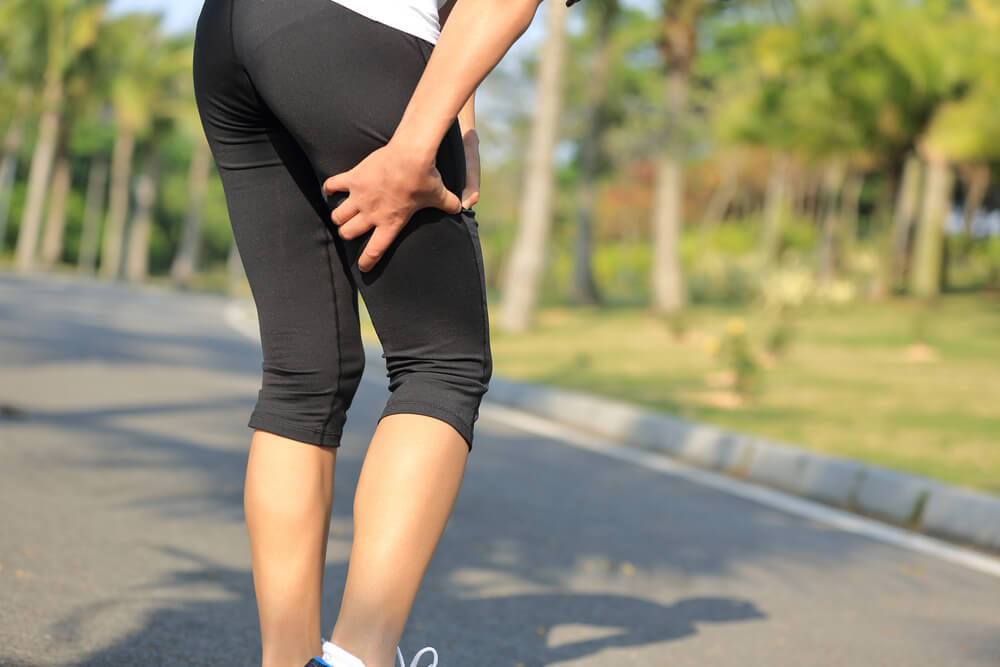
    Have you ever been running, biking or swimming and felt a sudden pain in your side, just below your ribs? If so, you’ve experienced what is known as exercise-related transient abdominal pain. This condition is more commonly known as a side stitch. A side stitch can happen to anyone during exercise, no matter your age or your level of athletic skill. According to a study published in Sports Medicine in 2015, over 70% of runners reported having experienced exercise-related transient abdominal pain in the previous year.

    Worrying about pain can prevent you from participating in activities that help to keep you healthy and fit. Thankfully, experts in physical therapy have a few tips that can help you avoid it and get back to the healthy activities that you enjoy.

    How do you get rid of side stitches?

    Physical therapists are experts on how to keep the human body healthy and fit during movement. Here are a few ways that physical therapists suggest to treat the pain from side stitches while exercising.

    • Change your breathing — Taking a big, deep breath will push your diaphragm down. This often helps to dull the pain from a side stitch. Hold a deep breath for several seconds before breathing out.
    • Stretch the affected area — Stretching will help to loosen the muscles in the area where you feel pain. For example, if you feel pain in your right side, raise your right arm over your head and slowly lean toward your left side. This will help stretch the muscles in your side.
    • Apply gentle pressure — Gently pressing your fingers into the side of your stomach area often helps to relieve the pain from a side stitch. Repeat this action as needed.
    • Slow down — It is best to slow down to a walk if you are still feeling pain. Resume more vigorous activity only after the pain has subsided.

    What can I do to prevent abdominal pain while exercising?

    Although experts are still unsure of the exact causes of side stitches, most of them agree that keeping your body physically fit is one of the best ways to prevent them. After all, you don’t need to be a pro athlete to reap the benefits of overall health and wellness. Some of the best ways to achieve this are:

    • Strengthen your core — Building your core strength, which includes your diaphragm and abdominal muscles, is a good way to prevent yourself from getting a side stitch. Yoga, planks, side planks and other exercises are a good way to strengthen your core.
    • Maintain good posture — Maintaining good form and posture while running will help to prevent injury. A physical therapist can help you to determine whether your walking or running gait might be contributing to your sudden pains.
    • Increase intensity gradually — If you have not exercised much before, or you want to increase the intensity of your exercise, it’s best to do this slowly and gradually. Your body may respond painfully to a sudden increase in the intensity of your workout.
    • Seek pain treatment — If you are experiencing chronic pain that prevents you from exercising properly, seek help from a licensed physical therapy specialist. Pain while exercising can negatively affect your posture and performance, which can lead to side stitches and other sports-related injuries.

    Where can I turn for physical therapy in my area?

    The experienced team at Advent Physical Therapy is ready to help you with your exercise-related transient abdominal pain and other sports-related injuries. Our many convenient clinics in the West Michigan area can get you started with a free screening to help us determine the cause of your pain.

    Contact our team today for more information or to schedule an initial appointment.

When Was Your Appointment?

We recently changed bill pay providers. Please click the button for the date of your appointment to be directed to the correct online payment portal.