Please ensure Javascript is enabled for purposes of website accessibility

Category: Physical Therapy

  • Three ways a physical therapist can help when your first rib is out of place

    Three ways a physical therapist can help when your first rib is out of place

    It’s likely that one of the few rib injuries that you’ve heard of is a broken rib. However, there are plenty of other rib-related issues that can negatively affect your body and daily life. 

    One excellent example of such an issue is when your first rib is out of place. When this happens, it’s known as first rib subluxation. First rib subluxation can lead to a problem called thoracic outlet syndrome (TOS). This condition occurs when the space between your clavicle and your first rib narrows. It can lead to pinching of veins, arteries or nerves that run through the thoracic outlet, which can trigger symptoms like neck, shoulder or hand pain. Numbness and tingling in the neck, shoulder and hand are also common TOS symptoms. 

    A physical therapist can help you determine if your symptoms are being caused by your first rib being out of place. In addition, they can help you find effective treatment for your condition. 

    Here are three techniques physical therapists may use if your first rib is out of place: 

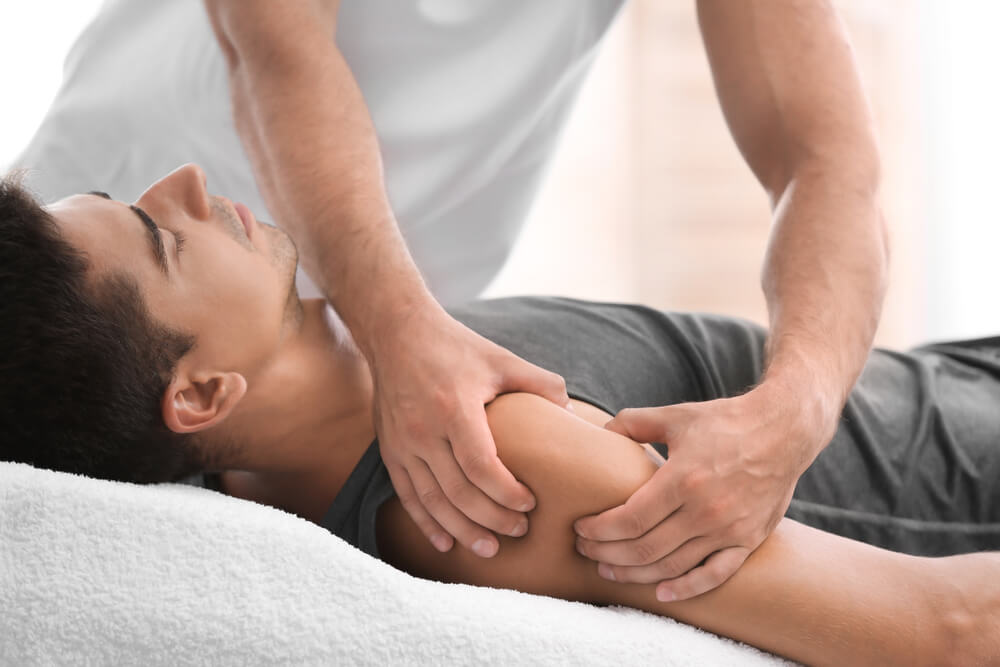
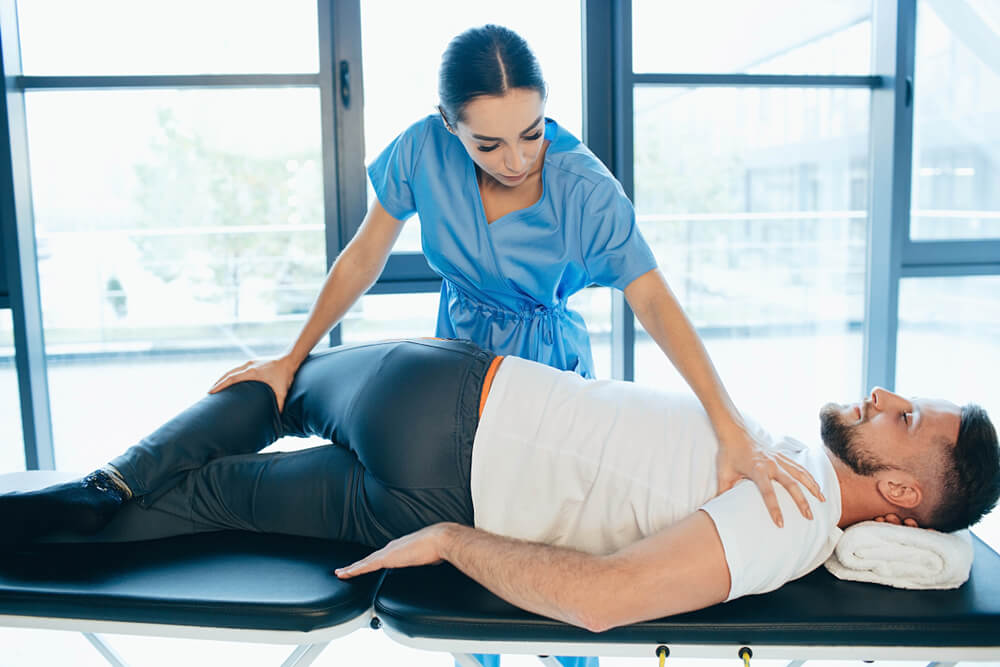
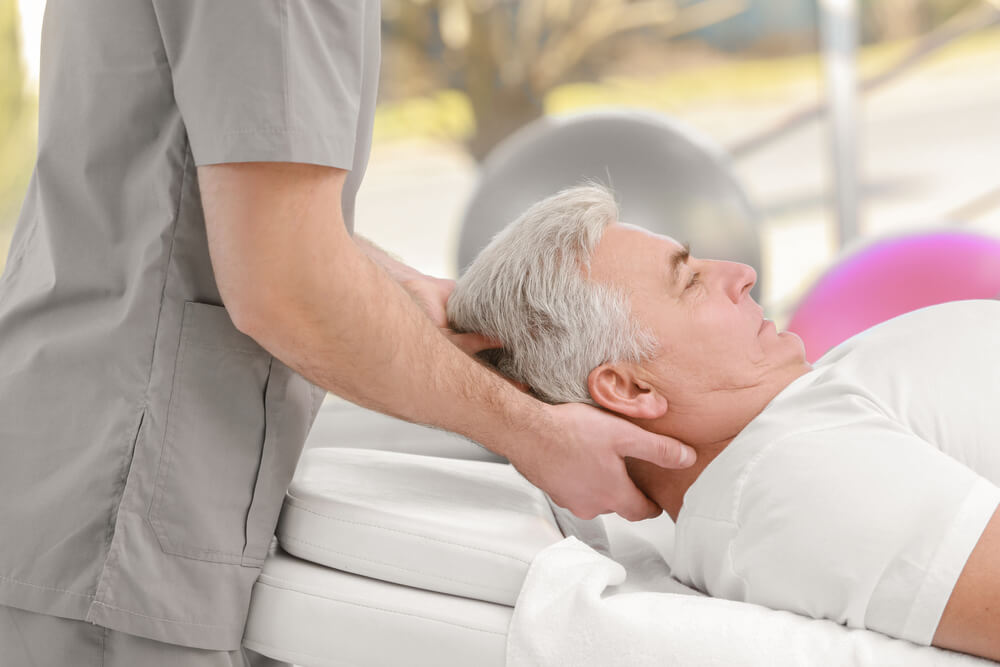
    1. Manual therapy — Your physical therapist may choose to bring their hands to bear on your displaced first rib. This typically means they’ll work on mobilizing your shoulder and neck soft tissue using a category of therapy methods called manual therapy. Some manual therapy techniques your physical therapist may use to help you include: 
    1. Dry needling — Physical therapists can also use monofilament needles to reduce tension and pain in neck and shoulder muscles. Doing so is called dry needling. Typically, this technique causes minimal discomfort in patients it’s performed on. 
    1. Therapeutic exercises — A physical therapy plan may also include therapeutic exercises. One reason for this is such exercises can help stretch tight neck muscles. Others can be used to improve the strength of your neck and shoulder muscles and improve posture. The result? Your physical therapist can help you increase the space in your thoracic outlet, which decreases the likelihood of TOS. 

    SSOR offers effective physical therapy for people whose first rib is out of place

    Are you experiencing the TOS symptoms that come from having a first rib that is out of place? Our physical therapy team at Specialists in Sports and Orthopedic Rehabilitation is ready and willing to help you address this problem. We can confirm first rib subluxation and TOS during one of our free screenings. Next, our clinicians can develop a unique physical therapy program for you that’s designed to: 

    • Reduce pain. 
    • Improve neck and shoulder flexibility, strength and posture. 
    • Increase your ability to do normal daily activities. 
    • Decrease your chances of developing TOS in the future. 

    Contact us today for more information about how we can address first rib subluxation and TOS or to schedule an initial PT appointment. 

  • Can physical therapists prescribe pain meds?

    Can physical therapists prescribe pain meds?

    Physical therapists are experts in human movement and musculoskeletal conditions. These conditions can cause different levels of pain. Yet, most physical therapists cannot prescribe pain meds. Have you tried a variety of pain management techniques and think pain meds might be the next step? Consider trying physical therapy first. 

    Benefits of physical therapy 

    One reason to try physical therapy before pain meds is that it treats the cause of the pain. Medication can be effective in negating pain. But this treats the symptom instead of the cause of the pain. Physical therapy, on the other hand, seeks to directly address the issue. Whether you suffer from low back pain, arthritis in the joints, or another condition that affects your movement or causes you pain throughout the day, physical therapy can help.

    Types of physical therapy that can reduce your pain

    Here are a few forms of pain management techniques offered by physical therapists:

    • Manual therapy — This technique is a form of hands-on treatment for the soft tissue and joints. It can help reduce pain and inflammation. Manual therapy may also help mobilize injured joints. This technique can be an effective alternative to pain medication in managing your pain.
    • Cardiovascular exercise — Low-impact movement can help alleviate widespread pain. Exercises like walking on a treadmill and water aerobics are examples of this. This can increase blood flow, which can reduce stress and tension in the muscles that contribute to your pain. 
    • Spine care and stabilization — If you’ve suffered an injury, developed a condition or experience back pain due to aging, physical therapy can help reduce your pain. Spine care involves targeted exercises and stretches to address back or neck pain. 

    Border Therapy Services is ready to help relieve your pain

    If you’re thinking about going on pain meds, consider trying physical therapy first. Our team at Border Therapy Services is ready to treat a wide variety of acute and chronic conditions. Our expert physical therapists are prepared to build you a personalized treatment plan to help relieve your pain and strengthen your body to prevent any future discomfort. 

    Contact our team today for more information about pain relieving treatments or to schedule an initial appointment. 

  • How to get rid of scar tissue with a physical therapist’s help

    How to get rid of scar tissue with a physical therapist’s help

    Did you know that you can form scar tissue under the skin? Soft tissue injuries, like strained or sprained muscles, are common occurrences. When an injury like this occurs, it often forms scarring around the affected muscle tissue. These injuries usually heal successfully, but scarring can contribute to chronic pain and make your joints stiff.

    Do you think you might have a buildup of scar tissue? If so, you might want to learn how the Graston Technique® can be used by physical therapists to help get rid of scar tissue.

    Treating a buildup of scar tissue

    Scar tissue is more fibrous and stiff than regular soft tissue. This is because it receives less blood, which can make the areas in your body where it builds up less flexible. After an injury like a joint dislocation or a sprain, scar tissue can build up and form masses called adhesions. Adhesions can prevent your body from moving normally even after you heal. 

    A physical therapist may be able to help get rid of scar tissue with a specialized treatment known as the Graston Technique. This technique promotes muscle fiber separation, which can alleviate pain caused by scar tissue and can even help restore flexibility. 

    How does the Graston Technique work?

    The Graston Technique uses patented tools to locate and treat soft tissue damage like scarring. These specialized tools are rounded and are often made of stainless steel or hard plastic, and they are not intended to be painful or uncomfortable for the patient. 

    A physical therapist will rub the tools along the skin intended to stimulate your soft tissue. This allows the physical therapist to detect adhesions. The physical therapist can break up scar tissue by applying pressure to the affected area. This pressure leads to an inflammatory response around the affected area, which allows the body to reabsorb unneeded scar tissue and promotes the healing of adhesions. 

    Panther Physical Therapy is ready to help get rid of your scar tissue

    If you’re suffering from an uncomfortable or even painful buildup of scar tissue, it shouldn’t be ignored. Our expert team at Panther Physical Therapy can help get rid of your scar tissue with specialized techniques. We are prepared to build you a personalized treatment plan to manage your adhesions and the symptoms they’re causing.

    Contact our team today for more information about how we can treat scar tissue or to schedule an initial appointment. 

  • How can physical therapists help you to break up scar tissue?

    How can physical therapists help you to break up scar tissue?

    Do you know why your muscles may be tense and sore if you haven’t been working out? Can you tell why your joints feel misaligned and achy? No, the answers aren’t poor posture or arthritis in many cases. 

    Give up? One common cause of muscle tension and soreness and joint aches and misalignment is scar tissue. Areas of scar tissue are also called adhesions. They occur anytime your muscles are injured, and adhesions can make the affected muscle painful and less flexible. They can also pull a joint out of alignment if the muscle is near one, which can trigger pain. 

    Physical therapists can help you figure out how to break up scar tissue that’s causing you problems. There are multiple therapy methods your physical therapist can use to address adhesions. 

    How can your physical therapist break up your scar tissue?

    Figuring out how to best break up your scar tissue will first involve an evaluation of the area involved. This allows your physical therapist to learn more about your issue. They can then choose to attack your adhesions with: 

    1. Therapeutic exercises — Weaker or recently formed adhesions can be broken up by certain stretches. Your physical therapists can show you how to do specific therapeutic exercises that can stretch your muscles and break up adhesions. 
    1. Manual therapy — Your physical therapist might also opt to bring their hands to bear on your adhesions. They can do so by using their hands to apply pressure and friction to the affected area. This type of therapy is known as manual therapy. 
    1. Cupping — Another way your adhesions may be treated is with cupping therapy. This involves your physical therapist temporarily attaching special cups to your skin. The vacuum inside the cups draws the skin up into them, which can help improve circulation. Your therapist can also move a cup along a muscle adhesion to realign the muscle fibers. 
    1. Instrument-assisted soft tissue mobilization (IASTM) — For the toughest adhesions, physical therapists will often use IASTM. This technique involves specialists pushing metal tools along the affected muscle. The tools allow your physical therapist to apply more force to the adhesion than they could with their hands. 

    Learn how to break up your scar tissue with help from Whatcom PT

    Are you ready to learn how to break up your scar tissue effectively? Our Whatcom Physical Therapy team is ready to help you learn how we can address your muscle adhesions. We can do a free screening on you to pinpoint which muscles contain scar tissue. Then, our physical therapists can create a personalized treatment plan for you that’s designed to break up the adhesions and reduce your pain. 

    Contact our team today for more information about how we can address soft tissue adhesions or to schedule an initial appointment.

  • Three physical therapy methods that can help with muscle knots in your arms

    Three physical therapy methods that can help with muscle knots in your arms

    They are made up of stretchy fibers that combine to form a larger, springy structure. No, we’re not talking about bungee cords or rubber bands. We’re talking about your muscles. 

    Unfortunately, it’s possible for muscle fibers to become tense and misaligned, which is what you feel when your muscle knots in your arms. These knots are also known as myofascial trigger points — they’re a key indicator of a condition called myofascial pain syndrome, and it’s estimated that this issue affects up to 85% of patients who develop musculoskeletal pain. 

    Physical therapists can take steps to determine why you have knots in the muscles of your arm or arms. Also, these medical specialists can help you find effective treatment options for these painful knots. 

    [maxbutton name=”Call us”] [maxbutton name=”Request an appointment”]

    These are three techniques that can help address the muscle knots in your arms: 

    1. Therapeutic exercises — One of the techniques physical therapists use most often to address myofascial trigger points is therapeutic exercises. Such exercises can be used to improve strength and range of motion, but in this case, they’re used to stretch out the tense, misaligned muscle fibers. The exercises your therapist shows you may also help reduce the pain caused by your muscle knots. 
    1. Trigger point release — For slightly more stubborn knots, your physical therapist may bring their hands to bear on the problem. They’ll do this by applying a manual therapy method called trigger point release or myofascial release. 

    This technique involves your physical therapist applying friction and pressure to the affected area of your arm with their hands. The goal is to realign the muscle fibers, release built-up tension and decrease your pain. 

    1. Instrument-assisted soft tissue mobilization (IASTM) — Some knots are deeper in your muscle tissue, or they may be particularly stubborn. If so, your physical therapist has yet another technique that can help you. 

    This technique is called instrument-assisted soft tissue mobilization (IASTM). It involves your physical therapist using specially designed metal tools. These tools allow them to apply more pressure and friction to the problem area than they could with their hands alone. 

    Find help with the muscles knots in your arms at Franklin Rehab

    Are your arm muscles riddled with knots? You can get help addressing your myofascial trigger points at Franklin Rehabilitation. Our team can do a free screening to confirm that the pain you’re feeling is caused by muscle knots. Then, we can create a personalized treatment plan for you, and this plan will be designed to: 

    • Reduce pain.
    • Improve muscle flexibility.
    • Decrease the risk of future myofascial pain. 

    Contact our team today for more information about how we can treat myofascial pain or to schedule an initial appointment.

    [maxbutton name=”Call us”] [maxbutton name=”Request an appointment”]

  • Three physical therapy exercises you may be asked to do after arthroscopic knee surgery

    Three physical therapy exercises you may be asked to do after arthroscopic knee surgery

    Arthroscopic surgery is often used to help people with joint issues like ligament tears or meniscus tears. In many cases, the joint that your surgery is targeting is the knee. 

    Medical studies support that the knee is often the joint that requires arthroscopic surgery, and one study reports that about 750,000 of these knee surgeries are performed in the U.S. annually. Many people who have arthroscopic knee surgery have physical therapy after their surgery. 

    This post-surgical physical therapy is designed to help patients recover faster after arthroscopic knee surgery. There are many therapy techniques that may be involved in your post-surgical rehab, and therapeutic exercises are one commonly used therapy technique. Some of the exercises that your physical therapist may have you do after surgery include: 

    1. Hamstring isometric contractions

    Purpose: This physical therapy exercise is designed to help strengthen the hamstring muscles, which can help increase knee support following arthroscopic surgery. 

    How to do the hamstring isometric contraction exercise: 

    • Lie down on your back or sit upright in a stable chair. 
    • Place your legs in front of you with your knees slightly bent. 
    • Without moving your recovering knee, pull your heel down into the floor until you feel your hamstring (back of your thigh) contract. 
    • Hold this contraction for three to five seconds. 
    • Relax your leg and rest for a few seconds. 
    • Repeat the exercise eight to 10 times in total. 
    1. Quadriceps contractions, aka “quad sets”

    Purpose: This post-surgical exercise is designed to help increase quadriceps muscle strength after a knee arthroscopy. 

    How to do the quadriceps contractions, or quad sets, exercise:

    • Lie on your stomach. 
    • Place a rolled-up bath towel beneath the ankle of your recovering leg. 
    • Push your ankle down into the towel until you feel the muscles in the front of your thigh contract. 
    • Hold this contraction for three to five seconds. 
    • Release the contraction and rest briefly. 
    • Continue to repeat this exercise until you’ve done eight to 10 repetitions. 
    1. Straight leg raises

    Purpose: Straight leg raises are a physical therapy exercise designed to help strengthen your quadriceps, hamstrings and buttock muscles after arthroscopic knee surgery. 

    How to do straight leg raises:

    • Lie down on your back. 
    • Bend the uninvolved knee so that your foot is flat on the floor. 
    • Straighten your recovering leg as much as possible. 
    • Slowly lift your leg about six inches off the floor and hold for three to five seconds. 
    • If that position doesn’t cause excessive pain, continue to raise your leg in 6-inch increments until you’ve raised it as high as you can. 
    • Pause for three to five seconds each time you raise your leg higher. 
    • Slowly lower your leg back to the ground after you’ve raised it as high as you can. 
    • Take a break and rest your leg. 
    • Repeat these steps until you’ve completed them eight to 10 times. 

    Advent PT offers effective post-surgery physical therapy for people who have had arthroscopic surgery

    People who have had or are planning to have arthroscopic knee surgery can find effective physical therapy from our Advent Physical Therapy team. We can develop a post-surgical rehab plan that’s designed to address your unique needs. Our physical therapists can even provide pre-surgical rehab that can help prepare your body for surgery. 

    Contact our team today for more information about our pre- or post-surgical rehab services or to schedule an initial appointment.

  • Four reasons physical therapists want you to learn how to treat sciatica

    Four reasons physical therapists want you to learn how to treat sciatica

    You bend over to check the mailbox, and ouch! There it is again. That shooting pain that runs from your lower back down the back of your leg. 

    People who are dealing with this type of scenario likely have a condition called sciatica. This issue occurs when one of the sciatic nerves in the lower back becomes pinched or irritated, and it’s also very common among Americans. Annually, it affects about 5% of people, which means about 16.5 million Americans develop sciatica every year based on current population data. 

    Learning how to treat sciatica effectively is something a physical therapist can help you with. There are several important reasons why physical therapists are so motivated to help you learn how to treat sciatica. 

    These are four reasons why physical therapists want you to learn how to treat sciatica: 

    1. To empower and engage you — Physical therapists seek to create a relationship with their patients based on mutual knowledge and trust. In order to create such relationships, your physical therapist will educate you about sciatica and the treatments they use for it. This is intended to empower you by expanding your knowledge of your condition. The higher level of knowledge can also help you stay more engaged in the therapy process, which can increase its benefits. 
    1. To allow you to address at-home flare-ups — You can’t spend every waking moment in a physical therapist’s office. This means that, inevitably, you’ll have to deal with sciatica symptom flare-ups while you’re at home. 

    Physical therapists can show you how to treat sciatica while you’re at home. Often, these treatment options include avoiding certain movements and doing some therapeutic exercises that your therapist recommends. 

    1. To help you heal faster — A greater understanding of your condition and treatment can help motivate you to put more effort into addressing your condition. You may find yourself working harder while you’re in your physical therapy sessions. In addition, you’re more likely to take the out-of-session treatment steps prescribed for you. This greater effort can be rewarded with a lower back that heals faster. 
    1. It might come back — Your physical therapist will likely take steps to help you learn how to avoid future sciatica, yet there’s always a possibility that you might develop this condition again. The knowledge you gain during sciatica treatment can help you deal with this possibility. It can help you recognize the condition quickly. You’ll also know where to turn for help and even how to start addressing your symptoms on your own. 

    Find out how to treat sciatica effectively at SSOR

    Keen to learn how to treat your sciatica effectively? Our team at Specialists in Sports and Orthopedic Rehabilitation is ready and willing to help you meet this goal. We can do a free screening on you designed to point out underlying causes of your sciatica. Also, our specialists are adept at constructing therapy plans that are informative, engaging and uniquely fitted to your needs. Even better, you can sign up for at-home care or virtual care sessions with us that allow you to treat your condition from home. 

    Contact us today for more information about how we can treat sciatica or to schedule your initial appointment. 

  • Why is physical therapy a commonly used treatment for fibromyalgia?

    Why is physical therapy a commonly used treatment for fibromyalgia?

    Have you ever thought about what it would be like to feel pain throughout your body? Take a second and think about it. Most people will conclude that this scenario doesn’t sound like much fun at all. Yet it’s exactly what many fibromyalgia patients deal with regularly. 

    Fibromyalgia is a chronic pain condition; medical research shows that it affects up to 12 million Americans. Although there is currently no cure for fibromyalgia, there are ways to treat the symptoms of this painful issue. 

    Physical therapy is one treatment option that’s commonly used for fibromyalgia, and there are many reasons why this is so. 

    Three reasons why physical therapy is a commonly used fibromyalgia treatment option:

    1. It can reduce pain — The pain of fibromyalgia tends to occur at specific points in the body. It typically flares up and then recedes. One reason many fibromyalgia sufferers seek help from physical therapists is that these specialists can help decrease their pain. 

    For instance, some types of manual therapy have proved effective for the pain of this condition. A study of two forms of manual therapy found that they helped reduce pain intensity by 77.2% in fibromyalgia patients. 

    1. It can help improve sleep quality — Fibromyalgia tends to decrease the quality of your sleep. Many of its sufferers also develop sleep issues like insomnia or restless leg syndrome. Another reason that physical therapy is commonly used to treat fibromyalgia is it can help improve sleep quality. One physical therapy study reports that it led to a nearly 64% increase in sleep quality. 
    1. It can decrease medication use — Many Americans are aware of how severe the opioid crisis is. This awareness often prompts fibromyalgia sufferers to seek ways to reduce their use of pain medication. Fortunately, physical therapy can help you meet this goal. 

    For instance, therapeutic exercise plans can be developed for you that include walking. Walking is included in these plans for a very good reason. A study on physical activity in fibromyalgia patients reveals that over 53% of the people who walked regularly were able to stop taking pain meds. 

    Panther PT offers effective physical therapy for fibromyalgia sufferers

    Are you ready to try physical therapy for your fibromyalgia? You’ll find the top-notch treatment you’re looking for at Panther Physical Therapy. Our team can do a free screening to confirm that your pain is the result of fibromyalgia. Additionally, our physical therapists are adept at building individualized therapy plans designed to offer all the benefits discussed above. We even offer virtual therapy and at-home care services, which can help you treat your condition from home. 

    Contact our team today for more information about how we can treat fibromyalgia or to schedule an initial appointment.

  • Three stretches physical therapists use for hip arthritis

    Arthritis can make your hips feel tight and difficult to move, and this can make you feel like you don’t want to move around as much. In turn, not moving around enough can actually increase your hip arthritis pain. 

    There are many people who experience this chain of circumstances. In fact, medical studies report that 18.5% of men and 28.6% of women develop hip osteoarthritis in their lifetime. Fortunately, physical therapists can help you find effective stretches and other treatment techniques for hip arthritis. Some stretches that your physical therapist may recommend to ease your hip arthritis symptoms include the: 

    1.  Inner leg stretch
    Purpose: The inner leg muscles are also called the hip adductors, and stretching these muscles can help reduce hip arthritis pain. 

    How to do the inner leg stretch:

    • Sit down on the floor. 
    • Bend your knees so that the soles of your feet are touching. 
    • Keep your feet on the floor, and place your hands on top of your knees.
    • Apply light downward pressure on your knees until you feel a stretch in your inner thighs. 
    • Hold this stretch for 10 to 15 seconds. 
    • Release the pressure on your knees and rest for a few seconds. 
    • Repeat the stretch until you’ve done it five to 10 times. 

    2.  Knees-to-chest stretch

    Purpose: Tightness in the glutes and lower back muscles can lead to greater hip arthritis pain. The knees-to-chest stretch can help reduce the tightness in these muscles and decrease your pain.

    How to do the knees-to-chest stretch:

    • Lie down on your back with your legs straight out. 
    • Slowly lift both knees up toward your chest. 
    • Place your hands on your legs just below your knees.
    • Gently pull your knees toward your chest until you feel a stretch in your butt and lower back. 
    • Hold this stretch for 20 to 30 seconds. 
    • Repeat this stretch as necessary throughout the day.

    3.  Double hip rotation stretch

    Purpose: This stretch is designed to reduce tension in the hip abductors, glutes and lower back, which can help reduce hip arthritis discomfort. 

    How to do the double hip rotation stretch:

    • Lie down flat on your back with your legs straight. 
    • Bend your knees until both of your feet are flat on the floor. 
    • Slowly rotate your knees to the right while rotating your head to the left at the same time. Your goal should be to touch your right knee to the floor. Be sure to keep your knees together throughout the movement. 
    • Hold this position for 20 to 30 seconds. 
    • Return your knees and head to the neutral position. 
    • Slowly rotate your knees to the left and your head to the right to stretch your other side. 
    • Hold this position for 20 to 30 seconds. 

    Want to find more stretches and physical therapy methods for hip arthritis? Armor PT can help

    Stretches aren’t the only useful technique that physical therapists can use for hip arthritis. Our team at Armor Physical Therapy can show you all the other treatment options we offer for your arthritis. We can start by doing a free screening of your affected hip. This is intended to help us learn how your arthritis is affecting you. 

    In addition, our physical therapists excel at building personalized therapy plans designed to reduce your arthritis pain and improve your joint mobility. We can even help you treat your symptoms from home using our virtual therapy or at-home care services. 

    Contact us today for more information about how we can help treat your hip arthritis or to schedule your initial appointment.

  • How can physical therapy be helpful for neck arthritis?

    How can physical therapy be helpful for neck arthritis?

    Neck arthritis, or cervical spondylosis, is a condition that can dramatically affect your daily life. Fortunately, physical therapy can be very helpful for managing neck arthritis. 

    The knowledge that physical therapy is useful for cervical spondylosis could be useful to many Americans. After all, one medical study reports that 90% of men over 50 and women over 60 have begun to develop neck arthritis. Physical therapists have many techniques that they can use to help your cervical spondylosis symptoms. These techniques can lead to significant benefits for your neck arthritis. 

    Three ways physical therapy can be helpful for neck arthritis

    Physical therapists have an intimate understanding of the structures of your neck since they have spent years learning about this and other parts of the human musculoskeletal system. This knowledge allows them to offer physical therapy that’s helpful for neck arthritis. A few of the benefits that physical therapy can offer for this condition include: 

    1. Increasing your ability to look around — A normal neck allows you to turn your head from side to side with ease. This movement is vital for looking at objects, such as when you’re watching a family member play baseball. However, cervical spondylosis tends to reduce your ability to turn your head. 

    Physical therapists can use a technique called therapeutic exercise to help improve your neck range of motion (ROM). A study of this technique found that 10 days of it helped cervical spondylosis patients improve their: 

    • Right rotation by nearly eight degrees.
    • Left rotation by more than six degrees. 
    1. Reducing pain — Neck arthritis also tends to inflame neck structures, which triggers pain. Decreasing and managing this pain is a key way physical therapists can help you. 

    Often, your specialist will use a therapy method called spinal manipulation to help treat neck arthritis pain. One study reveals that this technique helped reduce patients’ numeric pain rating scale (NPRS) scores by nearly three points on average after just two sessions. 

    1. Managing symptoms in the long term — Physical therapists want to help you manage your symptoms more effectively over the long term. Research shows that a technique called the McKenzie Method® can help meet this goal. 

    The McKenzie Method is used to diagnose, treat and provide education about many spinal issues, including neck arthritis. A study found that using this therapy method can have long-term benefits for this condition. This study reports that a neck pain sufferer reported their pain hadn’t returned one month after completing their treatment. 

    Continuum Wellness offers effective physical therapy for neck arthritis

    Are you suffering from neck arthritis? Our physical therapy team at Continuum Wellness is prepared to help you manage and treat the symptoms of this issue. We’ll start by doing a free screening on your neck. This helps us determine which symptoms you have and how severe they are.

    Additionally, our physical therapists excel at building customized therapy plans designed to offer all the benefits above and more. Even better, you can start treating your symptoms without leaving home if you sign up for an at-home care or virtual therapy session with us.

    Contact our team today for more information about our neck arthritis treatment options or to schedule your initial appointment. 

  • How to stop tension headaches with physical therapy

    How to stop tension headaches with physical therapy

    The tension slowly builds in your neck, and you can feel it slowly moving into your head. Eventually, this tension turns to pain. You’re now one of the millions of people who experience tension headaches every day. You’re also likely keen to find out how to stop your tension headaches. 

    Tension-type headaches often occur when muscles or other soft tissue in your neck become tense. Such headaches are very common among Americans — it’s estimated that about 75% of the general population experiences tension headaches annually. Figuring out how to stop your tension headaches is something that a physical therapist can do. In fact, these specialists offer many treatment techniques that can help treat tension headaches. 

    Treatment of tension headaches may involve these three physical therapy methods

    Physical therapists are trained to treat the muscles, ligaments, tendons and other tissue of the human musculoskeletal system. This training allows them to diagnose neck issues that can trigger tension headaches. It also allows physical therapists to help you figure out how best to stop your tension headaches. 

    A few of the therapy methods that could be included in your treatment plan are: 

    1. Manual therapy — Therapists can use their hands to move and manipulate many parts of your body, including your neck. When they do this, it’s called manual therapy. This family of techniques can be used to stretch out tense neck muscles. They can also be used to realign the vertebrae in your neck. One medical study reports that seven weeks of manual therapy helped cut headache intensity in half. 
    1. Therapeutic exercises — Strengthening and stretching your neck can also help treat and prevent tension headaches. Exercises that help you accomplish these goals are known as therapeutic exercises. One study had patients perform neck and head exercises for six weeks. Six months after completing their exercise program, patients were still experiencing benefits like: 
    • Reduced headache frequency
    • Decreased headache intensity 
    • Shorter headache duration
    1. McKenzie Method® — This therapy technique is really a three-part process. It includes an evaluation phase, an education phase and a treatment phase. The main goals of the McKenzie Method include helping you learn about your condition and giving you tools you can use to address it. A study on the McKenzie Method found that it helped reduce the number of patients experiencing tension headaches by nearly 77%. 

    Advent PT is ready to help you figure out how to stop your tension headaches

    Determined to learn how to stop your tension headaches? Our team at Advent Physical Therapy is primed to help you meet this goal. We offer free screenings that can pinpoint the root cause of your headaches. 

    In addition, our physical therapists excel at building personalized treatment plans. These plans are designed to reduce headache intensity, duration and frequency. We can even help you treat your headaches right from your own how. This is possible thanks to the at-home care and virtual therapy services our team offers. 

    Contact our team today for more information about our headache treatment services or to schedule an initial appointment.

  • Two physical therapy exercises that can help your hips

    Your hip joints are some of the most important structures in your body, and they’re involved in normal daily activities like walking, running and climbing stairs. However, problems with the muscles around your hip can trigger pain and other symptoms. 

    Hip pain is a common issue for Americans. Up to 40% of people who play sports develop hip pain, and up to 15% of U.S. adults over 60 also have hip pain. Working with a physical therapist can help you learn how to avoid many causes of hip pain. These specialists can use many techniques to help prevent hip pain, but physical therapy exercises can be especially useful for people with this goal. A few therapeutic exercises that your therapist could recommend to prevent hip issues include the: 

    1. Supine hamstring stretch

    Purpose: This exercise is often used by physical therapists for hip issue prevention because it can help reduce tension in the hamstring muscles. 

    How to do the supine hamstring stretch: 

    • Lie down on your back on a yoga mat or bed. 
    • Bend your right knee and place your right foot flat on the floor. 
    • Leave your left leg straight with your toes pointing toward the ceiling. 
    • Clasp your hands around the back of your right thigh. 
    • Pull your thigh toward your chest until it forms a 90-degree angle with the ground.
    • Slowly straighten your leg until you feel a stretch in the back of your thigh. 
    • Hold this stretch for 20 to 30 seconds. 
    • Switch legs and repeat the stretch with your left leg. 
    • Continue to stretch your legs until you’ve done both legs three times. 
    1. Hip flexor stretch

    Purpose: The hip flexor stretch is a physical therapy exercise that’s designed to reduce tension in your hip flexors. 

    How to do the hip flexor stretch: 

    • Kneel down on the floor on your left knee and place your right foot flat on the floor in front of you.
    • Maintain good, upright posture in your back and neck.
    • Tighten your abs. 
    • Push your body forward until you feel a gentle stretch in the front of your left hip. 
    • Hold this stretch for 45 to 60 seconds. 
    • Switch legs and stretch your right leg. 
    • Repeat the stretch until you’ve targeted each leg three times. 

    Find even more help with hip issue prevention and treatment at Armor Physical Therapy

    Are you looking for physical therapy to help treat or prevent a hip problem? If you are, look no further than our team of specialists at Armor Physical Therapy. We offer free screenings that can identify any current hip issues you have, and this service can even pinpoint underlying issues that can lead to future hip problems. 

    In addition, our physical therapists are adept at building personalized therapy programs designed to reduce your pain and prevent future hip issues. We can even assist you right in your own home thanks to our at-home care and virtual therapy services. 

    Contact us today for more information about how we can help you treat and prevent hip issues or to schedule an initial appointment. 

When Was Your Appointment?

We recently changed bill pay providers. Please click the button for the date of your appointment to be directed to the correct online payment portal.