Please ensure Javascript is enabled for purposes of website accessibility

Category: Physical Therapy

  • Five ways to reduce your risk of lower back pain

    Five ways to reduce your risk of lower back pain

    Lower back pain seems like an inevitable fact of life as we get older. It seems like everybody has it or is bound to have it at some point. Things don’t have to be this way. There are instances of injuries and medical conditions that cause lower back pain, and these are largely unavoidable. However, most cases of lower back pain are brought on from poor habits.

    Minor lower back pain is usually related to poor posture or excessive physical activity. Either way, this kind of lower pain can usually be treated with some rest and medication. But your best option for treating lower back pain is actually preventing it.

    These five tips can help prevent lower back pain

    A sore back can make it difficult to get through the day. Preventing minor lower back pain is simpler than you might think, and it becomes more important as you grow older. Below are a few steps that you may find useful for preventing lower back pain:

    1. Correct your posture — Sitting or standing hunched over is a common cause of lower back pain. Sit and stand straight with your chest forward, shoulders back and chin up. This can help keep your spine straight and reduce the stress that hunching over puts on your muscles.
    1. Exercise — Regularly exercising can help keep the muscles in your core and back strong. Stronger muscles in these areas provide better support for your upper body. Exercising also improves cardiovascular health, which improves blood flow to the muscles in your back.
    1. Eat healthier — Your back muscles and spine require nutrients like the rest of your body. Good sources of nutrients for your back can be found in fruits and vegetables, lean proteins, whole grains and dairy products.
    1. Sleep on your side — Sleeping on your side with a pillow that keeps your head and neck aligned with the rest of your body can be good for your spine. Lying on your back, on your stomach or in a twisted position can put stress on your spine that causes lower back pain.
    1. Quit smoking — When most people think of smoking, they think of lung diseases and heart diseases. While smoking is the leading cause in many lung and heart conditions, you should know it also harms your back. Smoking affects your cardiovascular health, which reduces the amount of oxygen and nutrients that get to your spine and back muscles from your bloodstream. 

    Treat lower back pain with help from Panther Physical Therapy

    Are you already dealing with lower back pain? You can find effective help treating it at Panther Physical Therapy. Our team offers free screenings intended to reveal the root cause of your lower back pain. We also excel at building personalized therapy plans designed to reduce your pain and prevent if from coming back, and these benefits are possible due to therapy techniques such as: 

    Contact us today for more information about how we can treat your back pain or to schedule your free screening.

  • Athletes can get these three benefits from manual therapy

    Athletes can get these three benefits from manual therapy

    Athletes know that they’ve got to maintain optimal health if they want to keep playing the sport they love. Physical therapy with an experienced physical therapist is a big part of that, especially when you’re recovering from an injury. 

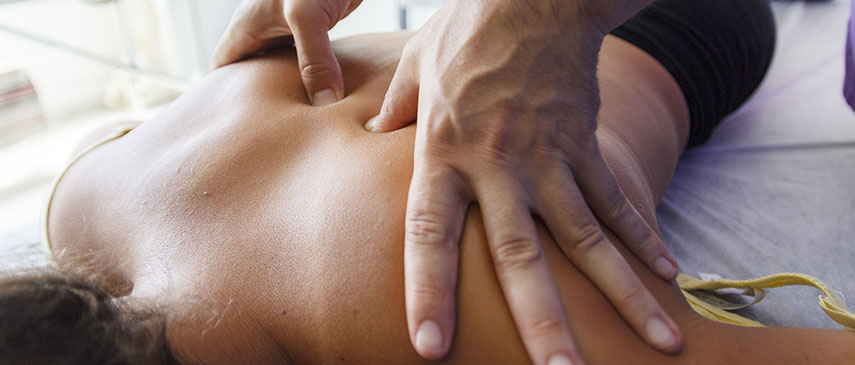
    One of the most beneficial physical therapy methods for athletes is manual therapy. This is a category of therapy techniques designed for mobilization and manipulation. It’s commonly used on joints and soft tissue like muscles. Manual therapy is performed using the physical therapist’s hands. This is why it’s also called hands-on therapy. Here are three of the benefits that athletes can get from hands-on therapy:

    1. Improved circulation

    Manual therapy can benefit athletes by helping them achieve better circulation. Good circulation is vital to athletes for many reasons. It allows your muscles to get the blood supply needed to prevent stiffness and tension. Optimal circulation also helps increase muscular endurance and promotes recovery after exercise. 

    Soft tissue mobilization is a type of manual therapy, and it’s been shown to significantly improve blood flow. One study of this therapy method reveals that it increased skin temperatures significantly more than other tested techniques. The study concludes that the increased skin temperature indicates a significant increase in blood flow to the treated area.

    1. Decreased amounts of scar tissue

    When you’re injured, your body forms adhesions, or bands of tough scar tissue, around the injury. These adhesions can cause many issues for athletes, including: 

    • Restricting movement
    • Increasing muscle and joint pain
    • Delaying injury recovery 

    Your physical therapist can help you get the benefit of breaking down adhesions thanks to manual therapy. They can use specific techniques that break up the adhesions, which unbinds your muscles. 

    1. Increased muscle relaxation

    Muscle relaxation is the best-known benefit of manual therapy, and it takes on a whole new importance for an athlete. Muscle soreness, tightness and pain are all things that athletes expect after practices and games. The good news is that you can greatly decrease these issues with muscle energy techniques (METs), which are a type of manual therapy.

    Using METs involves the patient moving the affected muscle in a specific direction. The physical therapist then applies a graded counterforce to lengthen the muscle. One medical study shows that a METs session helped improve hamstring range-of-motion scores by almost six points, which indicated that the muscle was more relaxed. 

    Whatcom Physical Therapy offers beneficial manual therapy

    Curious to find out if manual therapy can benefit you? Our team at Whatcom Physical Therapy can help you learn more about this and many other therapy methods. We offer free screenings that can help pinpoint the cause of athletic injuries and dysfunctions. Additionally, our physical therapists excel at constructing individualized physical therapy plans for each athlete we treat. Such a plan can offer reduced pain and decreased healing time thanks to manual therapy and other techniques, such as: 

    Contact our team today for more information about all our physical therapy services or to schedule an initial appointment. 

  • Physical therapy can offer these three key benefits

    Physical therapy can offer these three key benefits

    Do you currently have acute or chronic pain affecting your daily life? Maybe you’re struggling with back pain. Perhaps you need help with a sports injury or impairments following an auto accident. 

    A physical therapist can help you deal with these and many other issues. These specialists are experts in human movement and employ a wide range of drug-free, noninvasive techniques that benefit patients in many ways. Here are three of the key benefits that you could get from physical therapy:

    1. Reducing pain

    Pain is the body’s natural response to tissue damage; everything from a small cut to a torn muscle can cause pain. One benefit of physical therapy is that it can treat and reduce many different types of musculoskeletal pain. For instance, physical therapy has been shown to effectively reduce one of the most common types of pain: lower back pain. One study shows that almost 63% of patients who had lower back physical therapy had at least a 50% decrease in pain. 

    1. Improving joint function

    Improving joint function is a goal of the more than 54 million U.S. adults who suffer from some type of arthritis. It’s also a common goal of patients recovering from a total knee replacement. Physical therapy is one treatment option that can offer such people this benefit. Medical researchers from a knee osteoarthritis study report that physical therapy helped patients improve knee function scores by 52% in four weeks. In addition, they also reveal that physical therapy led to a 10% improvement in walking distance tests. 

    1. Increasing muscle strength

    Muscles are involved in just about every movement your body makes. However, they can become weak or tense, which can lead to more serious injuries and issues. Physical therapy can benefit lots of patients because it’s intended to increase muscle strength. This benefit is especially helpful after someone has had a hip replacement surgery. A medical study shows that post-surgical therapy after total hip replacements led to a strength increase of: 

    • 24.4% in the hip flexors
    • 47.8% in the hip extensors
    • 41.2% in the hip abductors

    Whatcom Physical Therapy offers physical therapy that can benefit you

    Ready to find out how physical therapy can benefit you? Our therapy specialists at Whatcom Physical Therapy can help you find the most beneficial therapy for your injury or condition. We’ll start by performing a free screening on you, and this allows us to pinpoint the root cause of your symptoms. Next, our team will create an individualized therapy plan for you that’s intended to offer many benefits via physical therapy methods like: 

    Contact our team today for more information about our beneficial therapy services or to schedule your initial appointment. 

  • Five nutrients you need for stronger performance

    Five nutrients you need for stronger performance

    How much thought do you give to your nutrition? Many people eat whatever they like; however, not paying close attention to your nutrition can have repercussions for your physical performance. 

    Most people need between 1,300 and 3,000 calories per day to keep their body fueled. Athletes can require many more calories than this, and some Olympic athletes can end up consuming up to 12,000 calories a day. Our physical therapists can offer tips and services designed to help you improve your performance. They also suggest that you focus on five performance-boosting nutrients when building your nutrition plan. 

    These five nutrients are vital if you want stronger performance

    Your car won’t run properly without gas. But it won’t run properly, or at all, if you feed it nothing other than gas. Like a car, your body needs a mix of several different types of nutrients. Five nutrients your physical therapist may suggest paying closer attention to for improved performance are:

    1. Carbohydrates — Carbs are an important nutrient for maintaining good energy levels. They burn more readily than other energy-creating nutrients. This makes them a key fuel for both short-burst activities and endurance training.
    1. Protein — It’s estimated that the human body contains up to 400,000 different types of proteins. These nutrients are made up of 20 amino acids, and they’re the building blocks of muscles. Getting enough protein is vital for athletes who need to build or maintain muscle mass. 
    1. Fats — These nutrients have gotten lots of negative press over the years. However, getting some healthy fats are important for several reasons. Fats are stored as a reserve fuel supply, but they’re also involved in tasks like: 
    • Brain health
    • Inflammation management
    • Hormone production
    • Joint lubrication
    1. Micronutrients — When micronutrients are discussed, the person talking about them means vitamins and minerals. B-complex vitamins are very popular among athletes because they help increase energy availability. You’ll also need vitamins and minerals such as: 
    • Sodium
    • Potassium
    • Calcium 
    • Magnesium
    • Vitamin A
    • Vitamin C
    1. Water — This nutrient may be the most important when it comes to athletic performance. Without enough water, getting enough of these other nutrients won’t be as effective. This because water does the following: 
    • Transports nutrients throughout the body
    • Regulates internal temperature to prevent overheating
    • Helps lubricate your joints 

    Panther Physical Therapy can help you find ways to improve athletic performance

    Are you looking for help finding nutrition and other factors to boost your athletic performance? Our team at Panther Physical Therapy is here to help you. We offer free screenings that can reveal joint misalignments and other issues that can be holding back your performance. In addition, our team excels at building personalized therapy plans designed to treat injuries and improve your performance. 

    Not able to find time to come to an in-person therapy session? No worries! Our team offers virtual therapy and at-home care sessions that you can do at home. You can even start using our physical therapy services without first getting a doctor’s referral. 

    Contact our team today for more information about how we can help you or to schedule an initial appointment.

  • Can physical therapy treat sciatica?

    Can physical therapy treat sciatica?

    Burning pain shooting from your lower back. Aching back or legs after sitting for a while. Numbness or tingling in one leg. People who have these symptoms are likely dealing with a condition called sciatica.

    Sciatica occurs when one of the sciatic nerves in the lower back is pinched. It’s also one of the leading causes of lower back pain. Medical studies report that up to 40% of people could experience sciatica and its symptoms in their lifetime. If you’re someone who’s suffering from sciatica, you may be wondering, “Can physical therapy treat sciatica?” Fortunately, the answer to your question is, “Yes, it can.”

    How can physical therapy treat sciatica?

    The main goal of physical therapy to treat sciatica is simple. It’s to help you find the most beneficial and least time-consuming therapy for you. This goal is why your therapist will create a personalized therapy plan for you rather than trying to force you into some cookie-cutter plan. 

    There are multiple therapy techniques that can benefit sciatica patients. Some of these techniques include: 

    • Manual therapy — This is a category of therapy. It includes multiple techniques where therapists use their hands to provide relief. This is why manual therapy is often called hands-on therapy. Hands-on therapy can be very helpful for sciatica patients. One study reveals that more than 60% of the sciatica patients who used a therapy plan that included manual therapy had significant symptoms improvement. 
    • Therapeutic exercises — There are many therapeutic exercises your therapist can use to treat sciatica. Your plan might include stretches, low-impact aerobic exercises and strength training. A medical study shows that combining therapeutic exercises with other therapy methods can be very effective for sciatica. The study reveals that exercises combined with other techniques were 2.5 times more likely to reduce sciatica pain by 14 points or more. 

    Dealing with sciatica? Continuum Wellness offers physical therapy that can help

    The physical therapy we offer at Continuum Wellness can help treat your sciatica. It can also help you realize a number of benefits. For instance, our team may be able to reduce the sciatica pain you experience, improve your muscle and joint function, and help you prevent sciatica in the future with a personalized physical therapy plan.

    We offer free screenings to help you get started with your sciatica therapy. Additionally, you can treat your sciatica from home thanks to the virtual care and at-home therapy services we offer. You can even begin physical therapy without the need for a doctor’s referral.

    Are you ready to find out more about how physical therapy can treat sciatica? Contact our team today for more information or to schedule an appointment.

  • Why you need physical therapy after a car accident

    Why you need physical therapy after a car accident

    Car accidents are one of the most frightening times in a person’s life. It happens so suddenly and often without warning that you hardly have time to realize what’s happening until it’s over. And, once it’s over, many people deal with injuries that are painful or limit the function of their bodies.

    If you have recently been involved in a car accident or if you are simply trying to be prepared for what to do just in case, you should continue reading to discover how physical therapy helps after an accident.

    Benefits of physical therapy after an accident

    Starting physical therapy as soon as possible after an accident can make a big impact on your recovery from an injury. Damaged joints and muscles can heal improperly or develop scar tissue if they do not recover under the guidance of a licensed physical therapist.

    Treating car accident injuries with physical therapy also helps to reduce pain and improve your range of motion while you’re recovering. Physical therapists can target muscles and joints affected by your injury and apply treatments that help reduce pressure, engage the muscles and break up scar tissue.

    Treating pain using physical therapy methods helps reduce your dependency on pain medication for coping with pain. This is beneficial because medication can be addictive and usually causes unwanted side effects.

    How physical therapists treat car accident injuries

    Most non-life-threatening car accident injuries that affect your muscles, bones, joints or soft tissue can be treated with physical therapy. At Whatcom Physical Therapy, our physical therapists can examine your condition and determine a customized course of treatment that will work to help you recover as quickly and with as little pain as possible.

    Treatments vary from person to person depending on the nature and severity of the injury. Typically, treatments include some form of:

    • Therapeutic exercise
    • Gentle stretching
    • Hands-on soft tissue mobilization
    • Hands-on joint mobilization
    • Posture education
    • Patient education for moving around safely while recovering

    Visit Whatcom Physical Therapy for treatment after an automobile accident

    If you have been injured in an automobile accident, you should talk to one of our team members about your treatment options. We can examine your condition and recommend a personalized course of treatment to meet your needs. Contact us today for more information or to schedule an initial appointment. 

  • Are you an arthritis pain sufferer? Here’s how physical therapy can help

    Are you an arthritis pain sufferer? Here’s how physical therapy can help

    Many of us don’t realize how important healthy joints are in our daily lives until one or more of them are suffering from pain and stiffness related to arthritis. This condition causes the cartilage in your joints to break down, which itself is painful but can also lead to bone-on-bone grinding in your joints.

    Although there is no cure for arthritis, there are treatments that can help reduce the pain, improve your range of motion and slow the development of the disease. One effective treatment that benefits many patients with arthritis is physical therapy.

    Treating arthritis with physical therapy

    Physical therapists are licensed health care professionals who specialize in treating conditions that affect your bones, muscles and joints. They have many treatment methods at their disposal that they use to primarily help reduce and prevent pain related to chronic conditions like arthritis.

    If you visit a physical therapist for arthritis, they can examine your body to decide on how to personalize your treatment approach to achieve the best possible results. Treatments vary from person to person, but usually, you can expect treatment for arthritis to include:

    • Therapeutic exercises and stretches — The goal of stretches and exercises is to help improve your strength and flexibility. Stronger and more flexible muscles can move more freely and provide better support for your joints, which helps reduce pressure and pain.
    • Manual therapy — Manual therapy is any treatment that involves the use of your physical therapist’s hands to mobilize and maneuver your soft tissue and joints. These techniques can help reduce pain, break up scar tissue and improve your range of motion.
    • Posture guidance — Poor posture can increase pressure on your joints, which causes further pain related to arthritis. Your physical therapist can examine your posture and help you improve it to help reduce and prevent pain.

    Visit Whatcom Physical Therapy for arthritis treatment

    Are you tired of feeling stiff and achy all of the time because of arthritis? Our team can work with you to help you manage your arthritis pain, so you can focus more on enjoying your life. In addition, you can begin physical therapy without the need for a doctor’s referral. Contact us today for more information about treatment or to schedule an initial appointment.

  • Living with a stiff and achy neck? Physical therapy can help!

    Living with a stiff and achy neck? Physical therapy can help!

    Everyone wakes up feeling some pain in their joints or muscles from time to time. But if you find yourself consistently waking up stiff and achy, you could be dealing with an issue that needs professional treatment. 

    Aching or stiffness in your body can be a minor problem that is easily remedied. In other cases, your doctor may have diagnosed a condition or ailment that will benefit from physical therapy. Physical therapists work with a wide range of patients who struggle with aches and pains. This includes patients who are dealing with stiffness and pain in their neck. 

    Issues that can cause a stiff and achy neck

    If you’ve been diagnosed with a medical condition that impacts your neck, physical therapy can probably help. Here are some of the neck issues that can be treated with the help of a physical therapist: 

    Ways a physical therapist can help your stiff and achy neck

    Your physical therapy regimen will largely depend on your specific symptoms or diagnosis. However, there are several therapy techniques that are commonly used to treat stiff and achy necks. Some of these techniques are: 

    • Therapeutic exercises — Your physical therapist will show you how to do stretches and strengthening exercises. These can help improve joint alignment, reduce pain and increase joint mobility. 
    • Ergonomic recommendations — If your work requires you to sit at a desk for long hours, you can be at high risk of developing poor head and neck posture. When we use bad posture, it puts strain on areas of the body that weren’t meant to be stressed. Your therapy specialist can show you ergonomic ways to improve posture when sitting or standing. In turn, this can help reduce neck pain. 

    Other commonly used therapy methods for neck issues include: 

    Panther Physical Therapy can help treat your stiff and achy neck

    Are you tired of living with a stiff and achy neck? Our team at Panther Physical Therapy can help you find relief from your stiffness and discomfort. We offer free screenings intended to reveal the root cause of your neck symptoms. In addition, our physical therapists can construct a personalized therapy plan designed to reduce your neck pain and other symptoms. We even offer therapy services like virtual therapy and at-home care that you can use from home. 

    Don’t wait to start getting our help with your neck issue. Contact our team today for more information about our high-quality therapy services or to schedule an initial appointment.

  • Advent Physical Therapy Announces New Clinic in Hudsonville, Michigan

    Advent Physical Therapy Announces New Clinic in Hudsonville, Michigan

    Hudsonville, MI – July 6, 2020 – Advent Physical Therapy (AdventPT.com), a service of Mercy Health and Alliance Physical Therapy Partners, is pleased to announce the opening of their new outpatient rehabilitation clinic in Hudsonville, Michigan. The new location is part of several health provider groups and services, bringing quality care and convenience to the West Michigan community. This new facility is in Jamestown Square, and includes a large rehabilitation space with upgraded therapeutic equipment for patients. The clinic offers complimentary pain screenings with immediate availability and same day or next day appointments for patients.

    “We are thrilled to open our fifteenth Advent Physical Therapy clinic with Alliance Physical Therapy Partners and Mercy Health,” said Kenneth Arends, Director of Clinical Operations for Advent Physical Therapy. “The new clinic is opening in response to a high demand from patients and physicians for our outstanding patient service and exceptional clinical outcomes.”

    Kenneth Arends PT, MSPT, Cert. MDT has been named Director of Clinical Operations and brings many years of experience in orthopedic and outpatient care. Kenneth received his Master of Science in Physical Therapy from Grand Valley State University. He brings over 20 years of experience as a physical therapist with special interest in sports injury rehabilitation, post surgical care, balance and fall prevention, vertigo treatment, and TMJ Dysfunction and pain relief.

    With the addition of the Hudsonville location, Advent now operates 15 convenient outpatient clinics near you in the Greater Grand Rapids area.

    All are invited to join in celebration at the upcoming Advent Physical Therapy Hudsonville open house on July 30 between 4:30 and 6 pm. In partnership with Grand Rapids Succulents, there will be a pop up succulent shop, sweet treats, and complimentary pain screenings performed. The Hudsonville Area Chamber of Commerce will facilitate a ribbon cutting ceremony.

    About Alliance Physical Therapy Partners LLC

    Alliance Physical Therapy Partners is an affiliate of GPB Capital focused on acquiring private physical therapy practices across the U.S. to provide practice owners the opportunity to expand their footprint while receiving operational guidance and financial support. The Alliance Physical Therapy Partners team includes former private practice owners, direct marketing professionals and operations experts who have experience running and growing successful healthcare organizations. For more information, visit www.allianceptp.com.

  • Three leading causes of sports injuries

    Three leading causes of sports injuries

    A sports injury is something that every person may suffer at some point in their athletic career. In fact, it’s estimated that 8.6 million Americans are injured while playing sports or doing other recreational activities every year. 

    Every sport has some risk involved, and this is true for athletes of all levels. A professional athlete can suffer a muscle strain or ligament sprain just as easily as a high school athlete or an amateur. However, there are three leading causes of sports injuries that you can avoid with a little effort. 

    1. Failure to properly warm up

    It’s not realistic to expect our bodies to go from zero to maximum effort without risking a muscle strain. Countless baseball players who have pulled a hamstring running to first base can attest to this. It’s important to give the body a chance to warm up and prepare itself for giving maximum effort. Just a few minutes is all it takes to reduce your sports injury risk drastically. 

    Excellent warmup exercises that can help you avoid this cause of sports injuries include:

    • Walking
    • Static stretching
    • Performing jumping jacks or jumping rope
    • Lightly practicing sports movements
    1. Playing through muscle fatigue 

    Your competitive edge or desire to tough it out may keep you from calling a timeout or requesting a sub to come in, which can be another cause of sports injuries. However, several studies have indicated that sports injury risk goes up as the body begins to tire and the muscles fatigue. You may want to break through your next fitness plateau by playing through being tired, but there is a point of diminishing returns. 

    Eventually, this fatigue affects your form and technique, which makes you more susceptible to turning an ankle or tearing a ligament. Listen to your body to know when it may be time to take a break and keep yourself from getting injured. 

    1. Failure to properly cool down

    Just as going from zero to 100 is not advisable, going from total effort back to rest can also increase your risk of a sports injury. Failure to properly cool down can cause blood to pool in large muscles, causing swelling and inflammation. Lactic acid also builds up, which lowers the pH of your body and makes your muscles work less effectively. Much like warming up, just a few minutes of walking or stretching after playing a sport can help reduce your injury risk.

    Panther Physical Therapy can help you reduce your risk of sports injuries

    Are you concerned that these or other issues might cause you to develop a sports injury? Our team of physical therapists at Panther Physical therapy can help you find ways to reduce your injury risk. We offer free screenings that can pinpoint weak muscles, training problems and other issues that can lead to a sports injury. Our team can also build you a personalized therapy plan to tackle such issues. 

    In addition to in-clinic physical therapy, we offer virtual care and at-home therapy services that can help you get the therapy you need without leaving your home. You also won’t have to go to your doctor to get a referral before you begin using any of our therapy services. 

    Ready to start using our help to reduce your sports injury risk? Contact us today for more information about how we can assist you or to schedule your initial appointment.

  • Three benefits that physical therapy for arthritis pain can offer

    Three benefits that physical therapy for arthritis pain can offer

    You avoid walking the dog. You can’t play with your grandchildren. These are just a few of the ways people can be negatively impacted by arthritis. 

    Unfortunately, this issue is far too common in the U.S. In fact, it’s reported that more than 54 million Americans have some type of arthritis. Physical therapy has been a respected arthritis treatment option for decades and is known for helping joint pain and stiffness. Here are three of the ways that physical therapy for arthritis pain can benefit you: 

    1. Revealing the negative effects of smoking

    Smoking is one of the most troublesome habits that a person can have, but you might not realize that it can have negative effects on your arthritis. A physical therapy plan for arthritis pain can help you learn how smoking affects and even increases the likelihood of arthritis. One study reveals that smokers were more than twice as likely to develop this condition. Some of these reasons for this is that smoking can cause: 

    • Damage to cartilage cells
    • A decrease in the production of new cartilage
    • An increase the levels of cartilage-reducing toxins in the blood
    1. Helping you learn new ways to get around

    To deal with arthritis pain, for example, your physical therapy specialist can help you find new ways to accomplish your daily tasks without pain. These specialists also identify body positions, along with non-ergonomic work setups, that contribute to pain. There are ingenious workarounds for many of the moves that cause aching joints that you might never have guessed — whether it’s going up the stairs, emptying the dishwasher, or holding your grandchildren.

    1. Showing you exercises that can help reduce pain and stiffness

    What you may think of as “traditional” physical therapy can also do a world of good for arthritis pain. Gentle exercises, which you can also do at home, may help limber up your stiffened joints and muscles. They can also strengthen surrounding muscles for better support and increase your range of motion. All are designed to allow arthritic patients to move more freely and with less pain. In fact, one medical study reveals that 12 weeks of physical therapy helped reduce pain in hip osteoarthritis patients by more than 30%. 

    Get effective physical therapy for arthritis pain at Continuum Wellness

    Not sure where to get physical therapy for arthritis pain? Our physical therapy specialists at Continuum Wellness are primed to help you. Our clinics offer free screenings that can pinpoint which type of arthritis you have. We can then build you an individualized therapy plan designed to reduce your pain and other arthritis symptoms. 

    Think you need a referral to use our therapy services? Our team doesn’t require a doctor’s recommendation before people begin using our services. In addition, we are currently offering virtual care and at-home therapy options that allow you to get therapy without leaving home. 

    Take the next step to start getting our help with your arthritis. Contact our team today for more information or to schedule your initial appointment. 

  • How would you feel without arthritis pain? Find out with physical therapy!

    How would you feel without arthritis pain? Find out with physical therapy!

    Chances are using physical therapy to treat arthritis pain isn’t a new suggestion for you. PT has been a respected treatment option for decades, and is known for helping joint pain and stiffness. 

    You might have resisted because the idea of putting yourself through painful exercises is not an appealing one. Yet, physical therapists make those moves much less grueling than you might think. More importantly, several types of physical therapy for arthritis pain exist that you may not even be aware of.

    Getting in a daily walk

    Physical therapists offer many techniques that can help treat arthritis pain. One therapy technique that your therapist may recommend is something you can do every day: take a walk. In fact, studies show that getting plenty of steps can lead to improved joint function. Researchers from one study reveal that every 1,000 steps that knee osteoarthritis patients walked led to an up 18% increase in knee function.

    Learning new ways to get around

    To deal with arthritis pain, your physical therapist can help you find new ways to accomplish your daily tasks without pain. For instance, your therapist might teach you how to use a grabber to avoid bending over. These specialists also identify body positions, along with non-ergonomic work setups, that contribute to pain. There are ingenious workarounds for many of the moves that cause aching joints that you might never have guessed — whether it’s going up the stairs, emptying the dishwasher or holding your grandchildren.

    Making all the right moves

    What you may think of as “traditional” physical therapy can also do a world of good for arthritis pain. Gentle exercises, which you can also do at home, help limber up your stiffened joints and muscles. In fact, one study reports that a home exercise program reduced pain by 26% after four weeks. They also strengthen surrounding muscles for better support, and increase your range of motion. All are designed to help arthritic patients move more freely, and with less pain.

    Whatcom Physical Therapy can help you find personalized arthritis treatment

    Are you ready to find a physical therapy team that can help you treat arthritis pain? Our team at Whatcom Physical Therapy is just the team you need on your side. We offer free screenings designed to help reveal the type of arthritis and symptoms you’re living with. Our therapy specialists also excel at constructing individualized therapy plans intended to reduce arthritis symptoms. 

    Things keeping you at home? No problem! Our team is currently offering virtual care sessions that allow you to get the therapy you need without leaving home. Even better, you don’t need a doctor’s referral to use any of our therapy services. 

    Take the next step to start getting our help with your arthritis. Contact our team today for more information or to schedule an initial appointment. 

When Was Your Appointment?

We recently changed bill pay providers. Please click the button for the date of your appointment to be directed to the correct online payment portal.